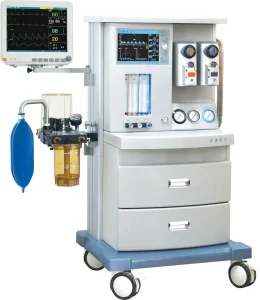
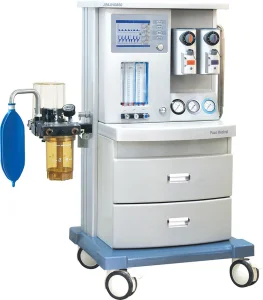
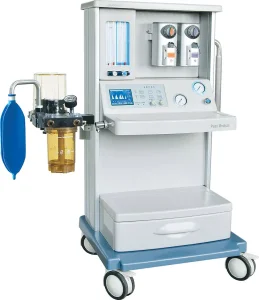
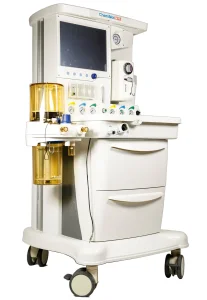
Uganda's healthcare landscape is undergoing a significant metamorphosis. With the Uganda Vision 2040 and the Health Sector Development Plan (HSDP), the nation is prioritizing the expansion of surgical capacity across Regional Referral Hospitals (RRHs) and private medical centers in Kampala, Entebbe, and Jinja. However, the demand for high-end Anesthesia Workstations remains critical. Current statistics indicate a growing need for "Safe Surgery" initiatives, where reliable perioperative care is the cornerstone.
Operating medical equipment in the East African region requires more than just high-tech specs; it requires resilience. For the Uganda market, we have identified three critical success factors:
Shenzhen Avelar Medical Co., Ltd. was founded in 2003 and has accumulated over 21 years of rich experience in the medical technology industry. Headquartered in Pingshan, Shenzhen, with a state-of-the-art production facility in Huizhou, the company spans a total area of 10,000 square meters. As a leading national high-tech enterprise, Avelar Medical integrates cutting-edge research and development, innovative design, and high-efficiency manufacturing to deliver superior medical and healthcare solutions.
With a team of over 100 highly skilled engineers and technical professionals, and more than 200 advanced manufacturing units, Avelar Medical is committed to pushing the boundaries of technological advancements in the medical field. The company has secured more than 100 national patents, demonstrating our continuous focus on innovation.
Our solutions have reached more than 100 countries and regions, including North America, Europe, the Middle East, and Asia. In the African market, specifically Uganda, we serve as a primary Tier-1 manufacturer for government tenders and private clinical chains.
Unlike European brands, Shenzhen Avelar provides CE-certified workstations at a price point that allows Uganda hospitals to equip 3 operating rooms for the price of 1 Western-made unit.
We customize software interfaces to support local needs and provide modular components that are easy for local biomedical engineers in Uganda to maintain.
Located in Shenzhen, the "Silicon Valley of Hardware," we have direct access to the world's most efficient logistics networks, ensuring faster delivery to the Port of Mombasa and into Uganda.
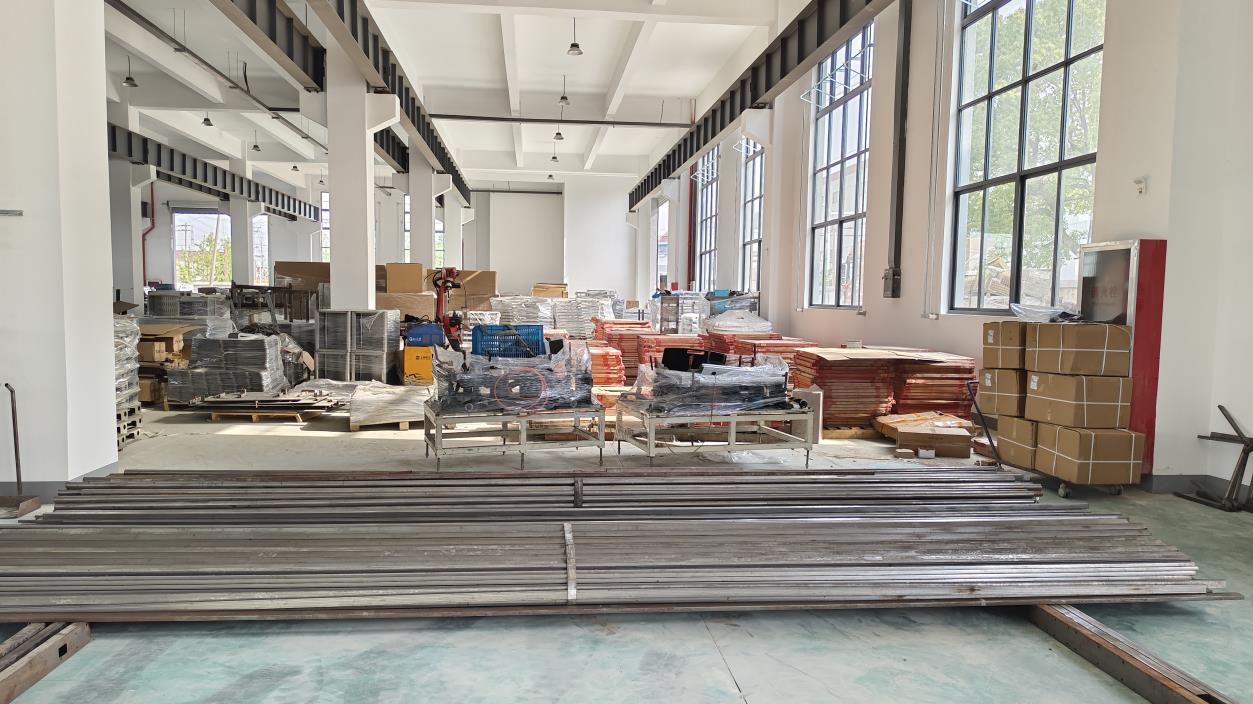
Step 1: Raw Material
Selection of high-grade medical alloys.
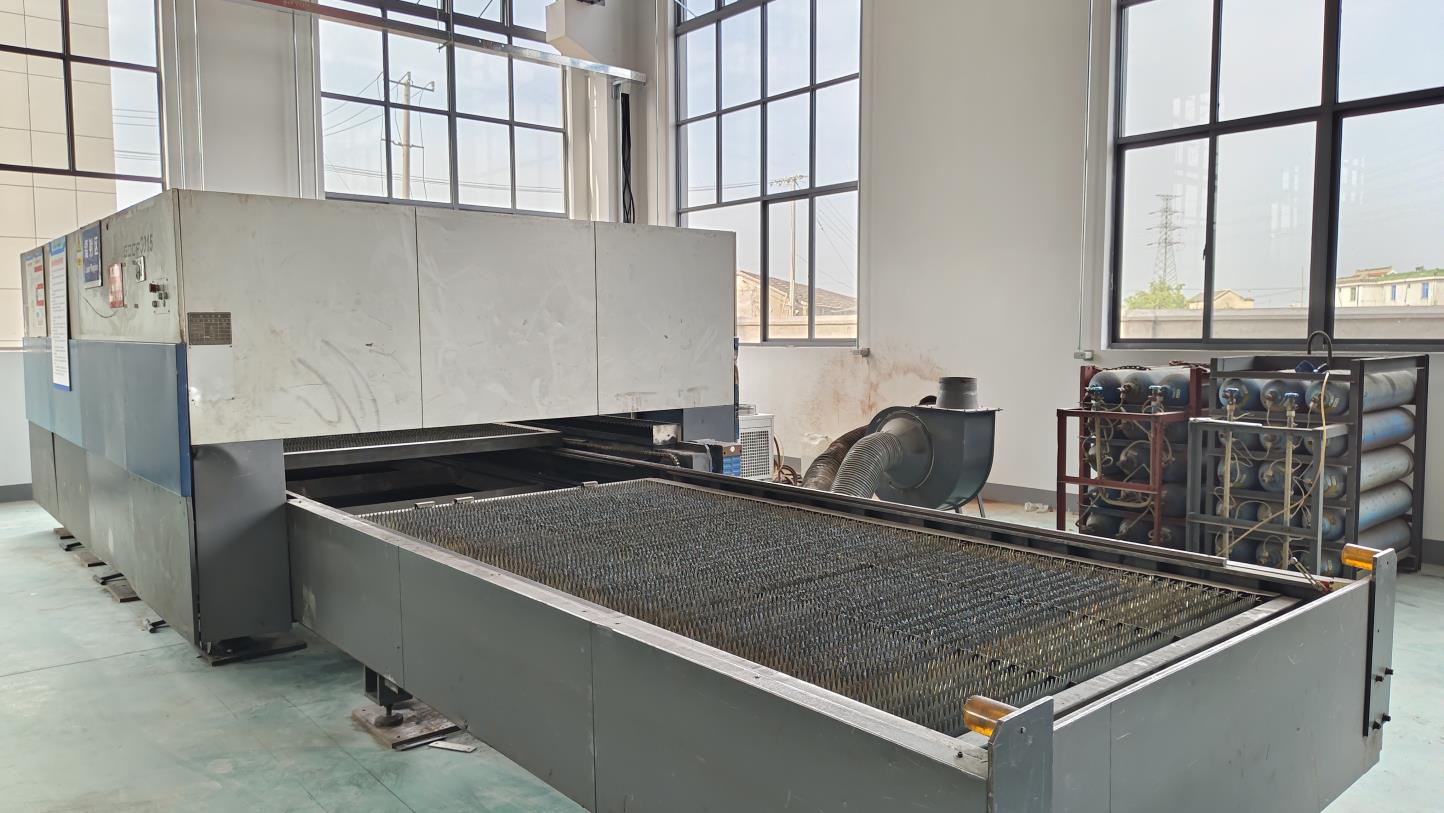
Step 2: Laser Cutting
Precision cutting with micron accuracy.
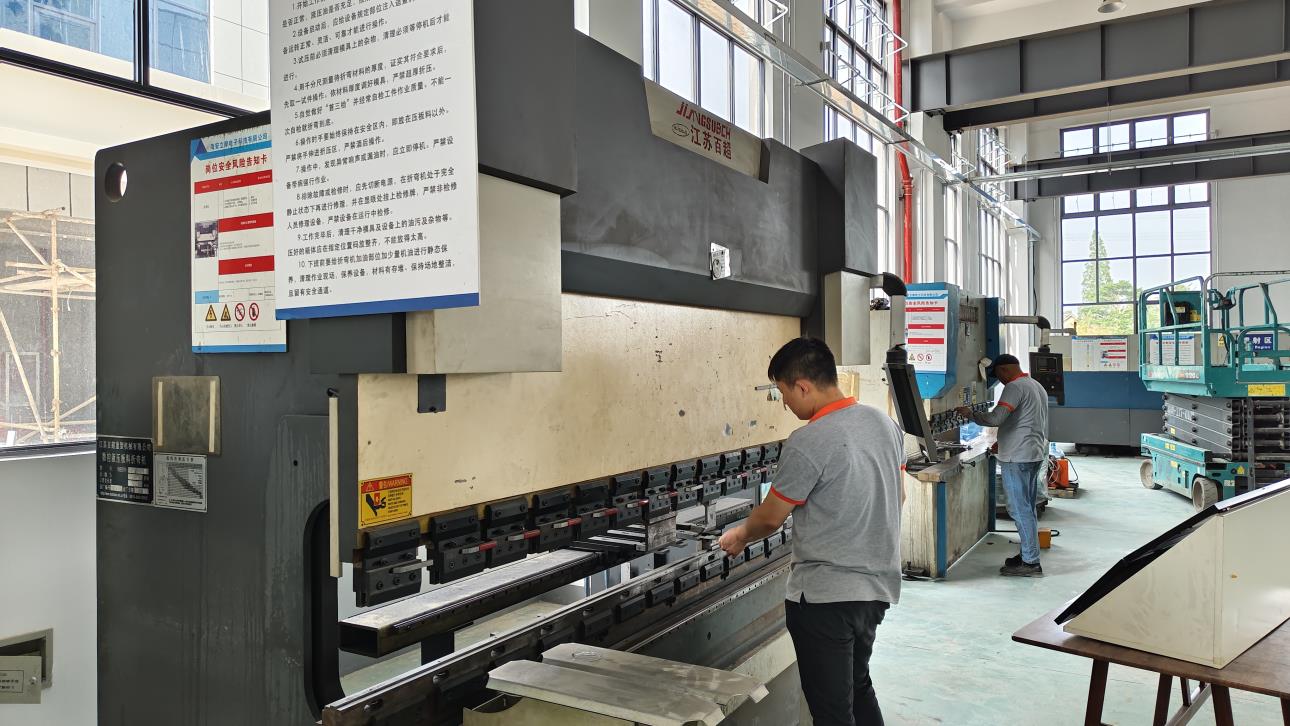
Step 3: Shearing
Automated metal shaping.
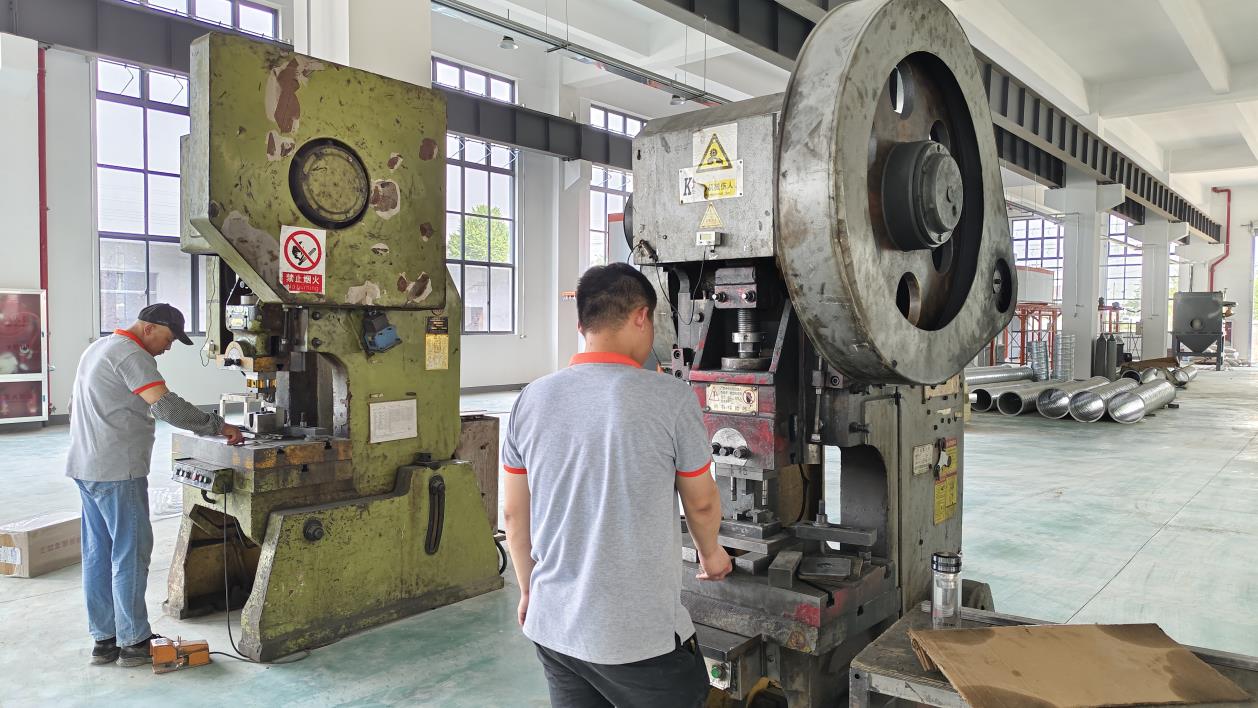
Step 4: Punching
Integrated chassis development.
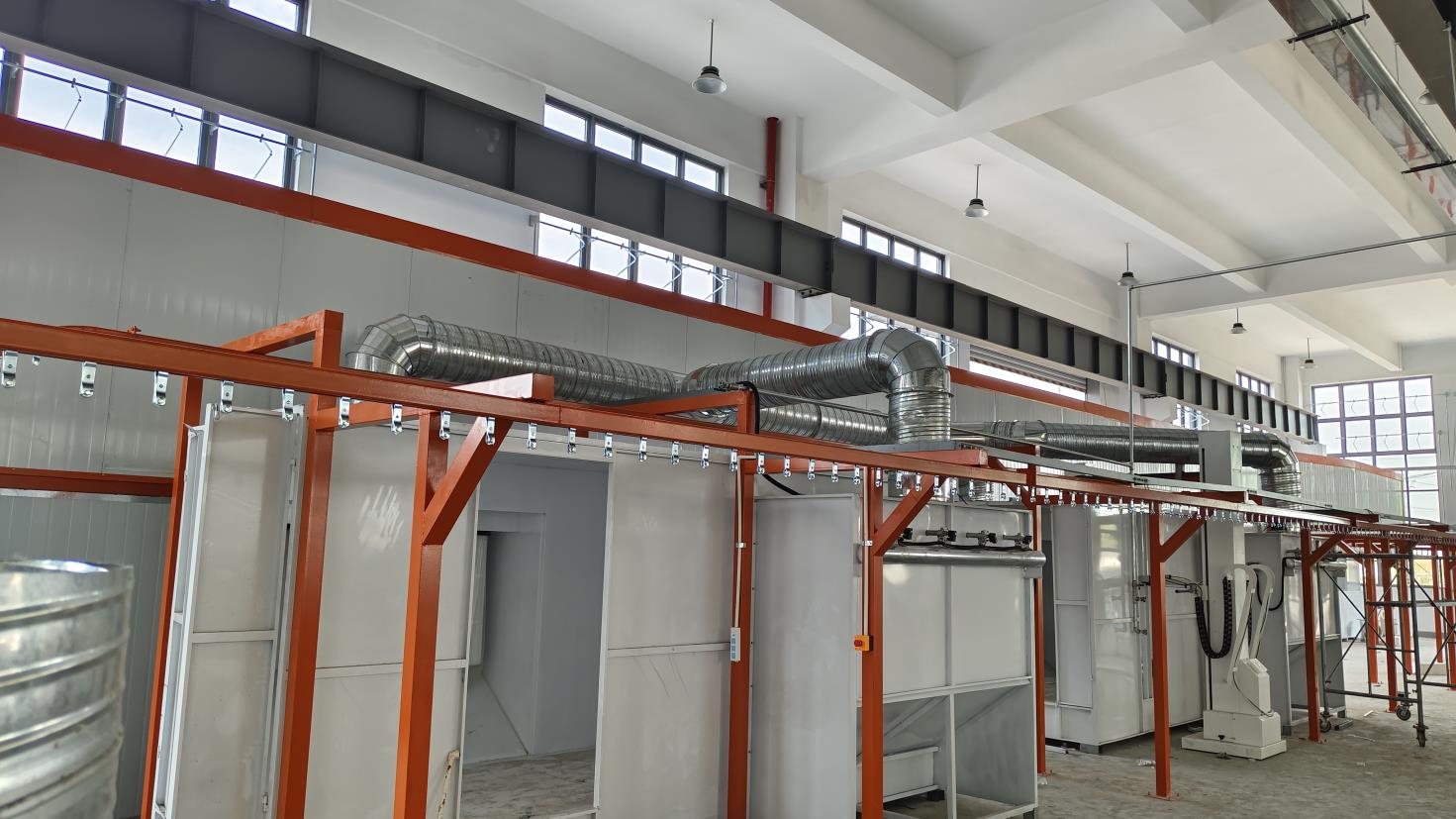
Step 5: Spray Painting
Anti-microbial coating application.
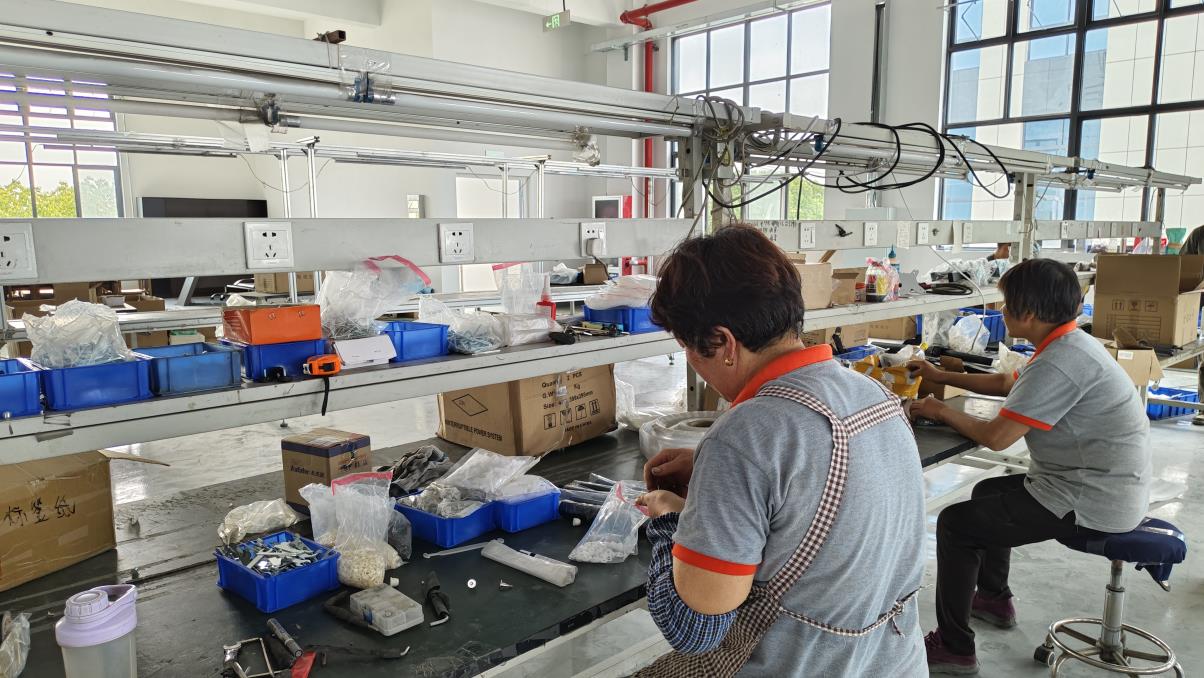
Step 6: Assembling
Clean-room assembly environment.
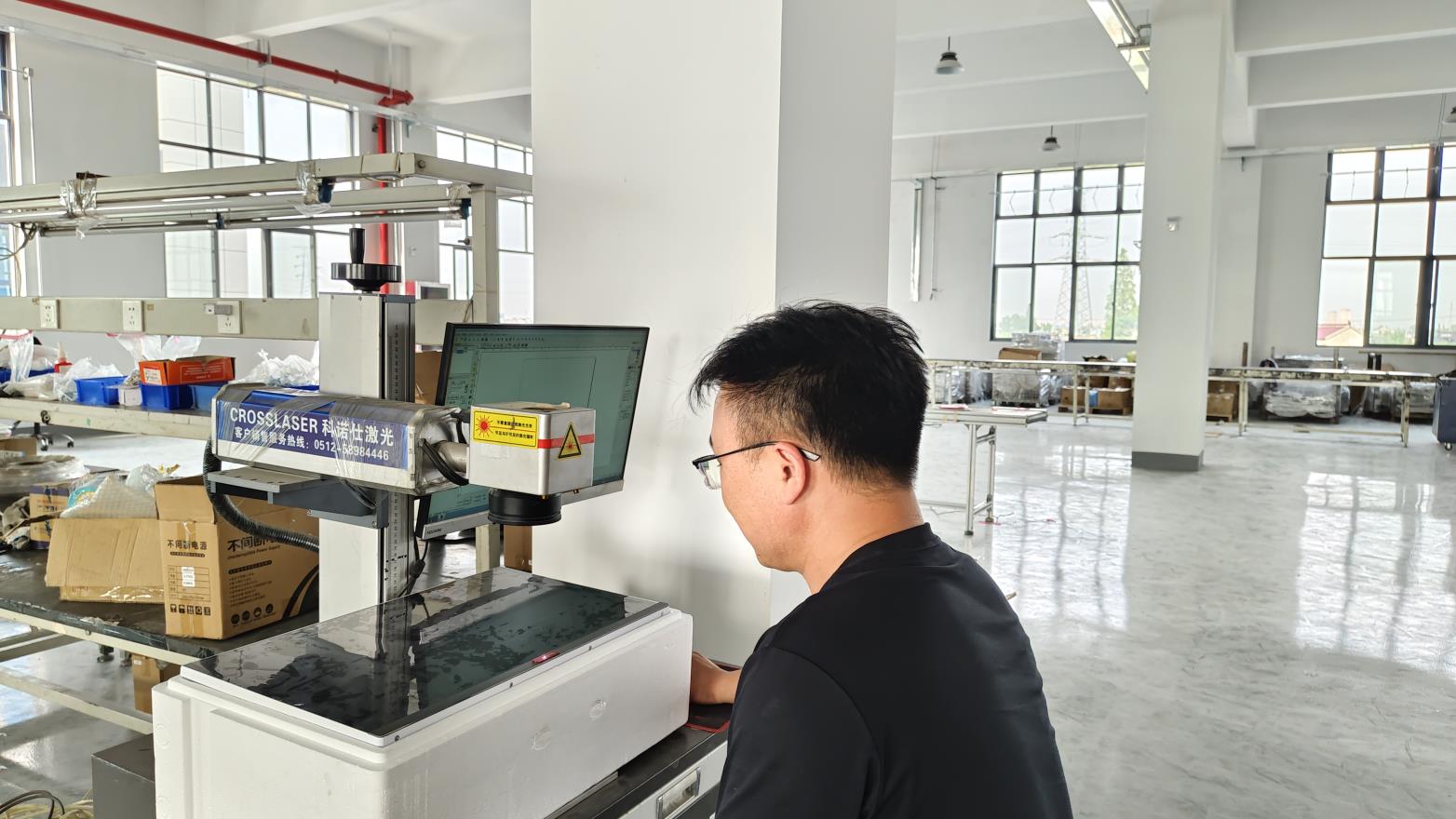
Step 7: Laser Marking
Traceability and branding.
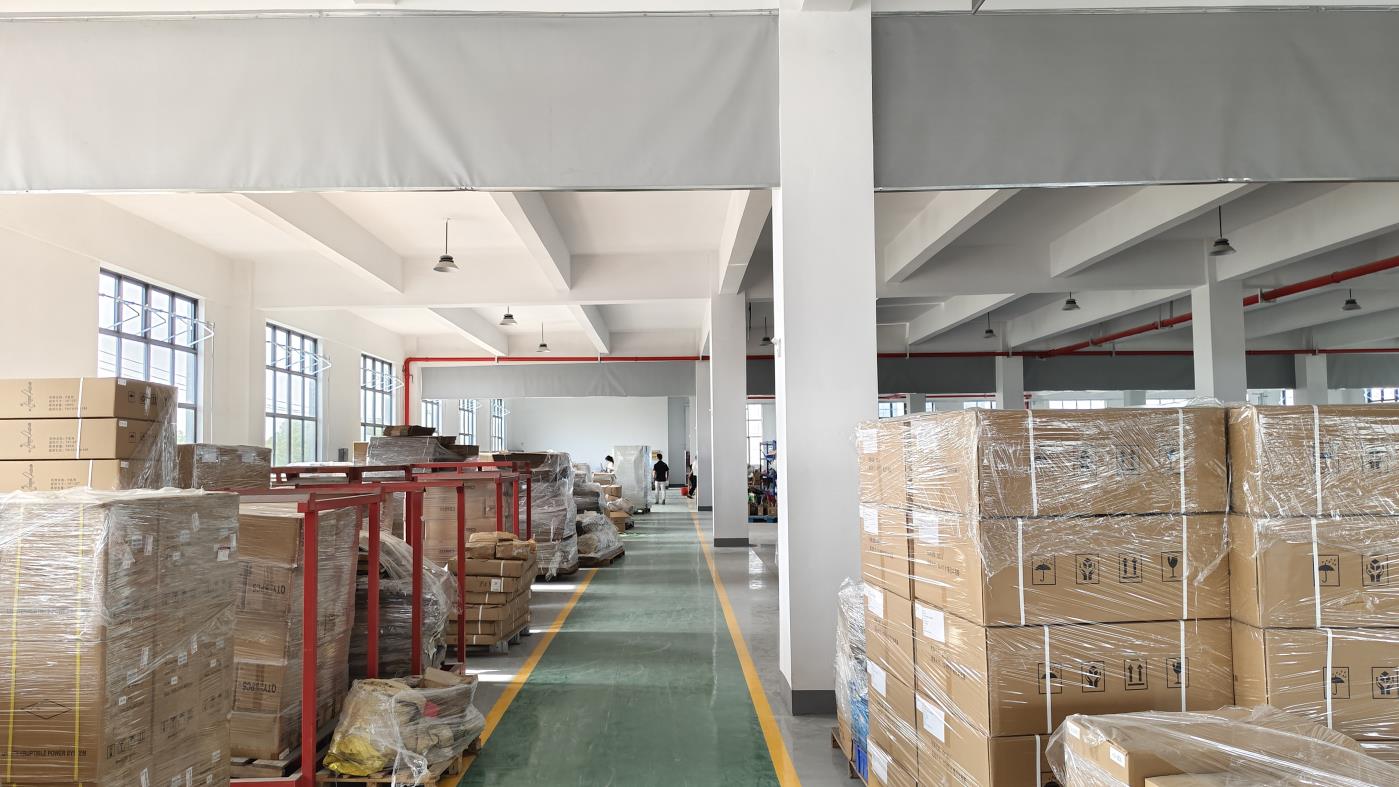
Step 8: Packaging
Export-grade shockproof protection.
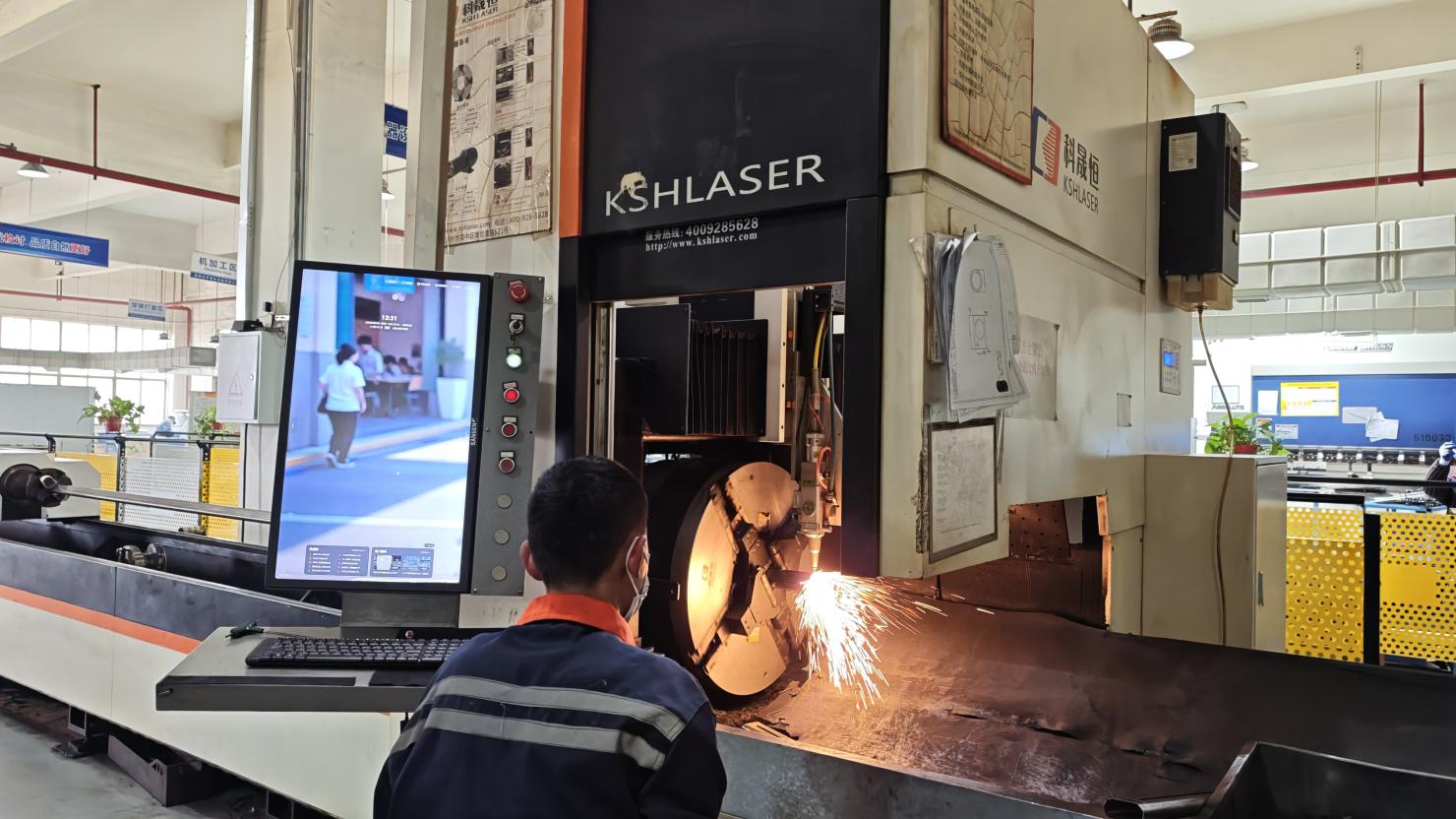
Step 9: Tube Cutting
Specialized component piping.
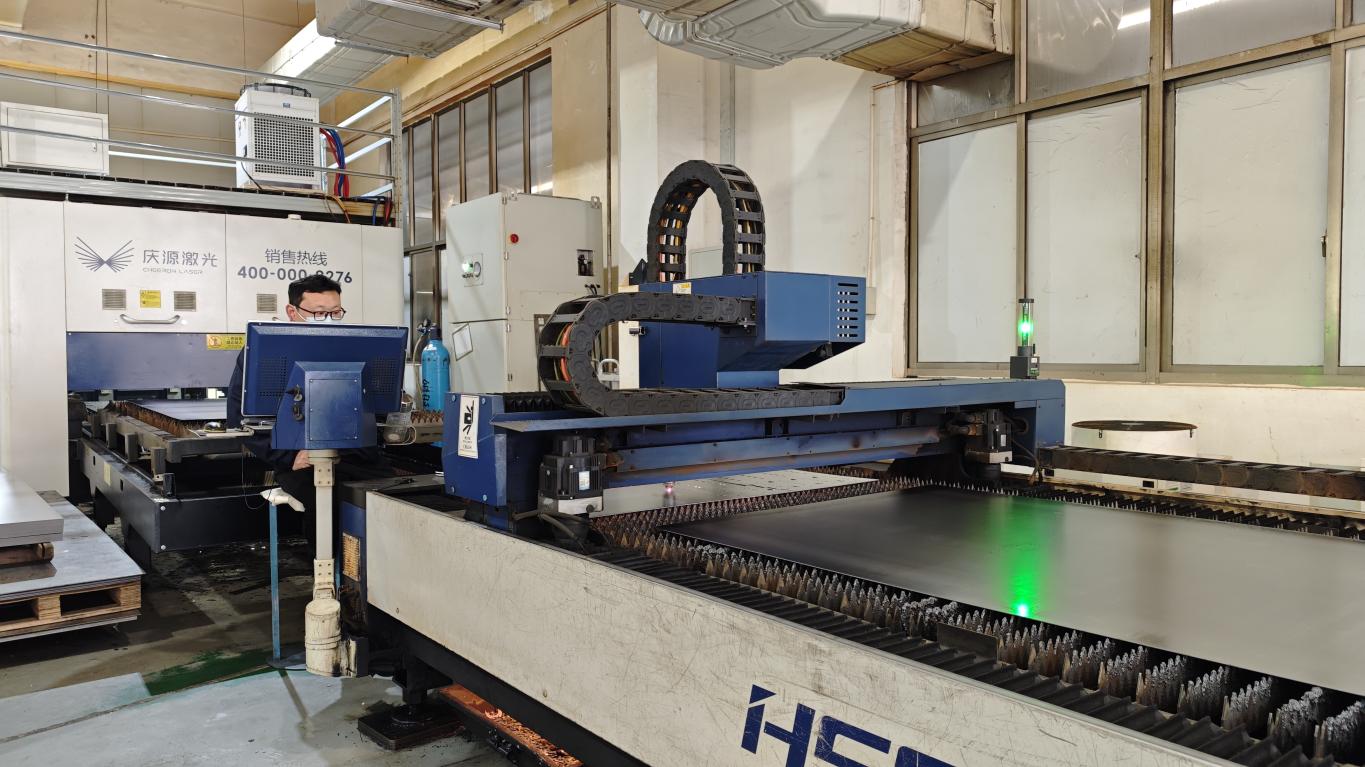
Step 10: Plate Cutting
Structural reinforcement.
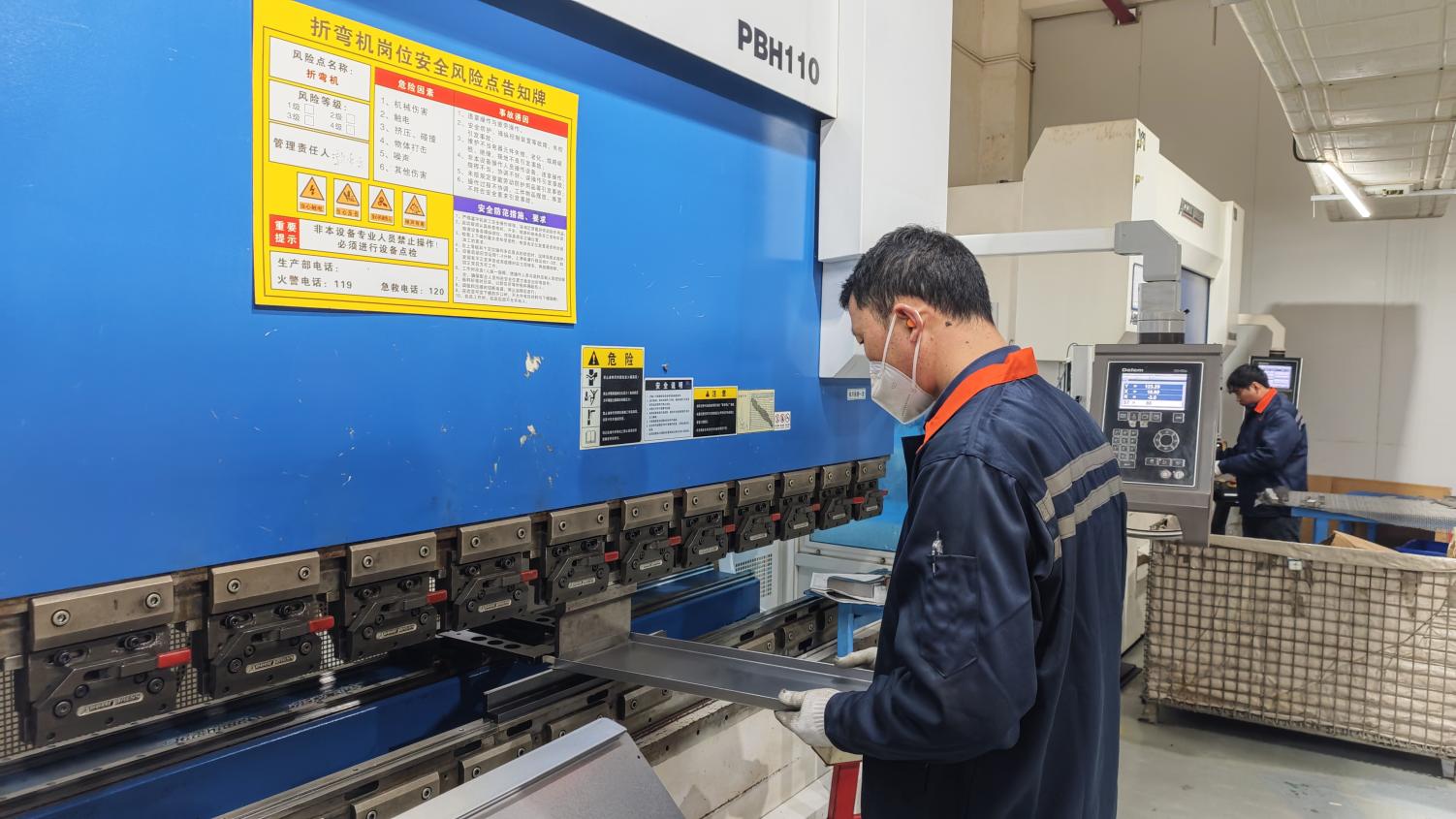
Step 11: Bending
Ergonomic frame design.
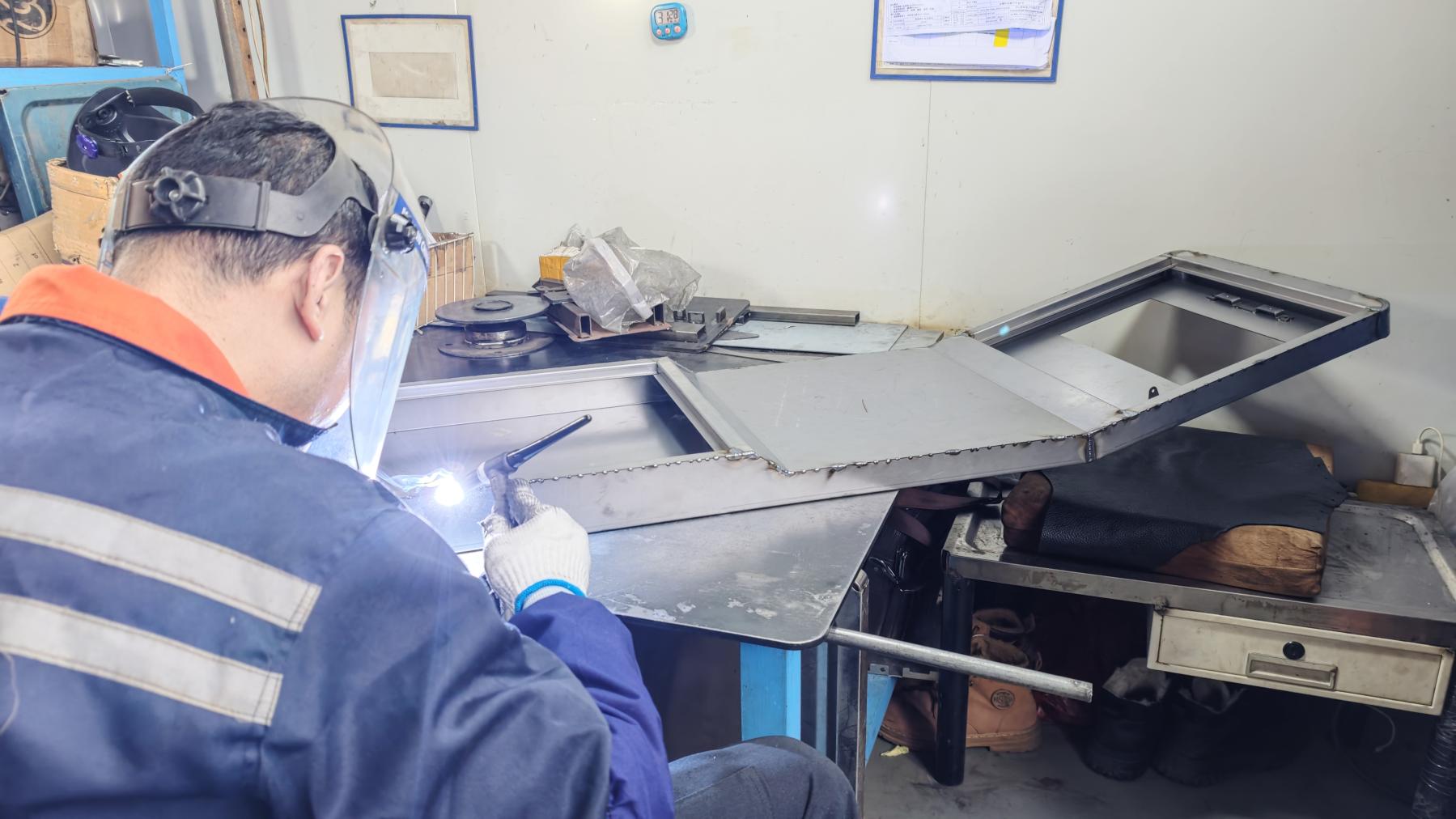
Step 12: Welding
Advanced robotic welding joints.
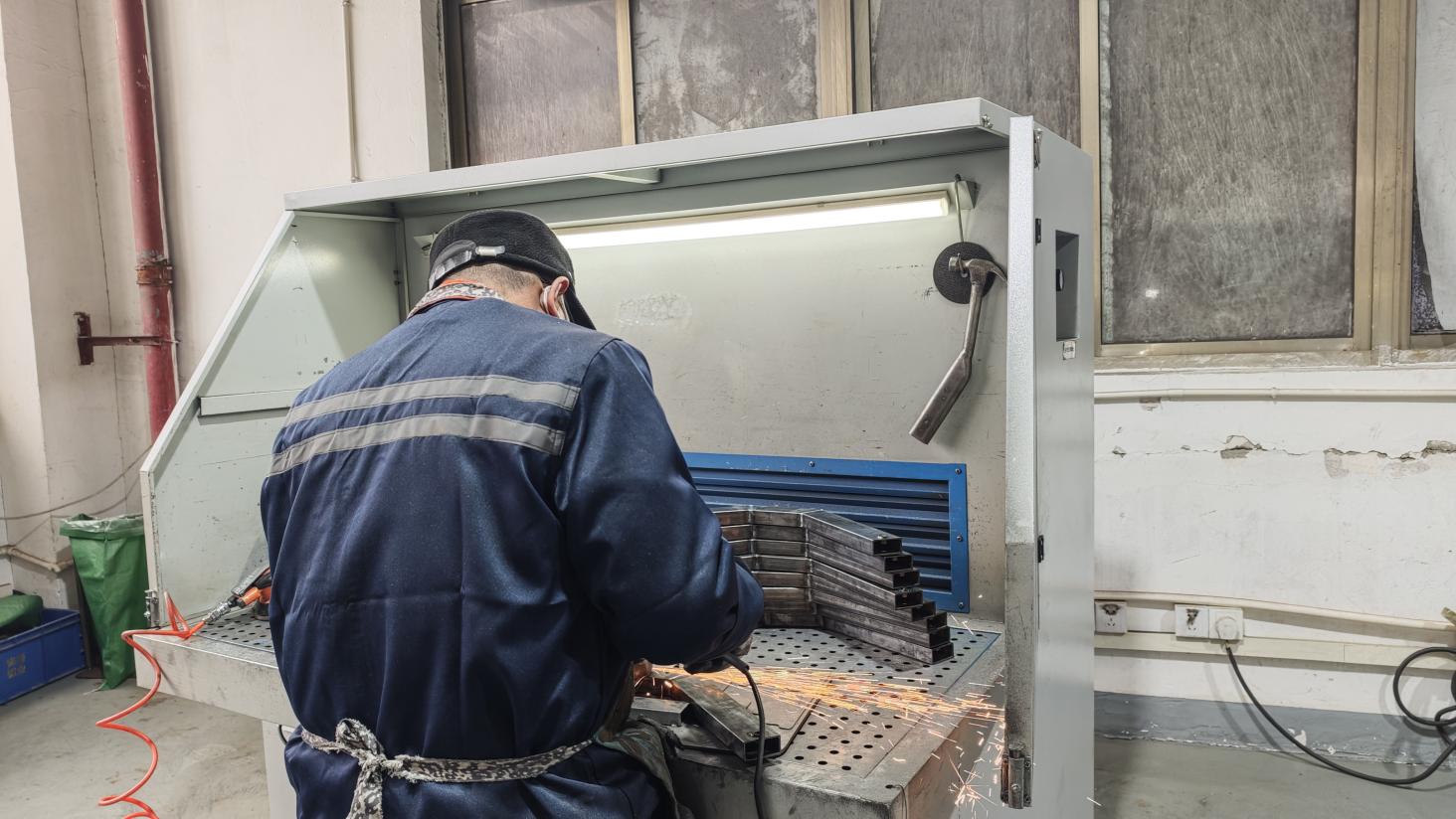
Step 13: Polishing
Smooth finishing for easy sterilization.
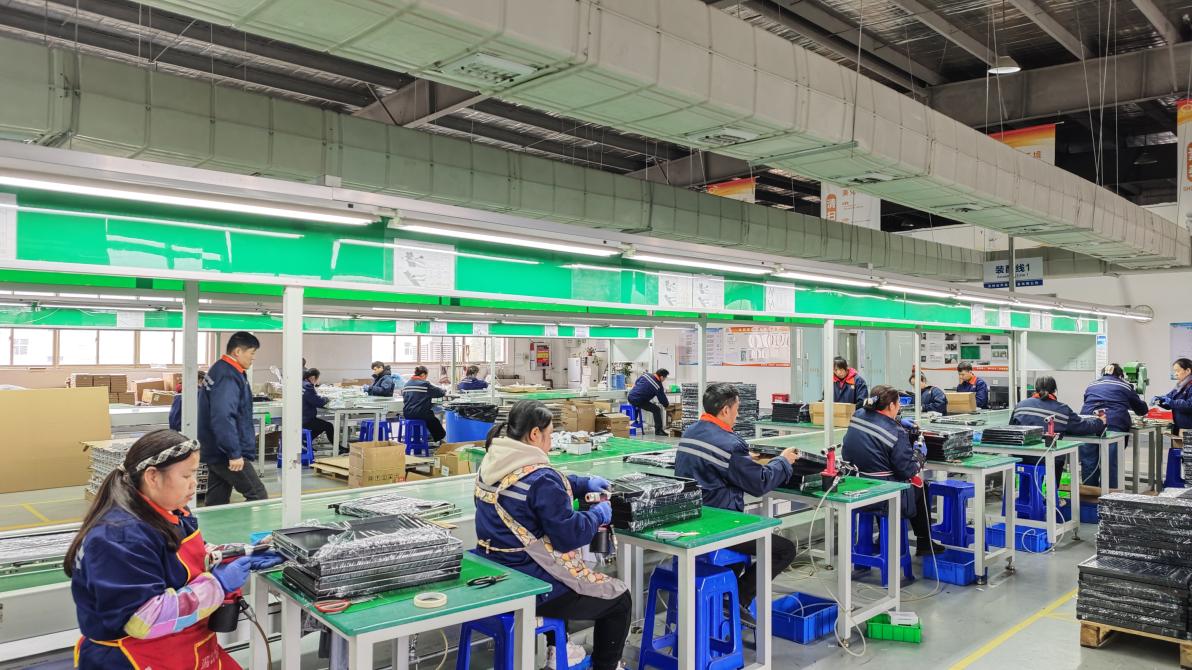
Final Step: Systems Integration
Final calibration and ICU simulation testing.
The global anesthesia workstation market is moving towards Digitalization and Automation. In the Uganda context, we are seeing a shift from standalone ventilators to fully integrated workstations that combine patient monitoring, ventilation, and data logging. These systems allow for "Tele-Anesthesia," where a senior anesthesiologist in Kampala can remotely monitor a junior officer in a rural health center (HC IV).
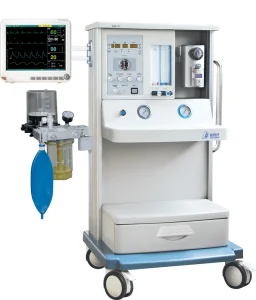
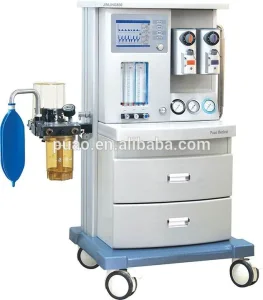
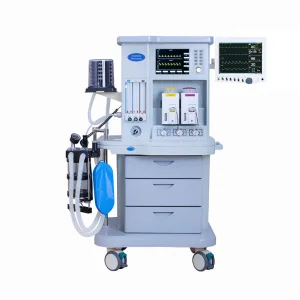
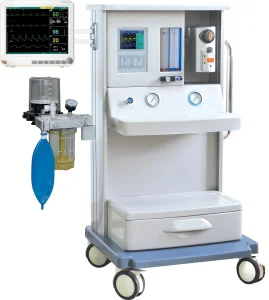
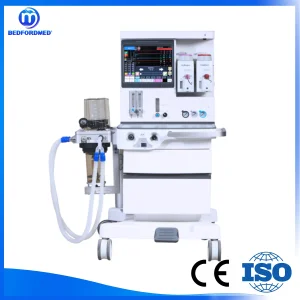
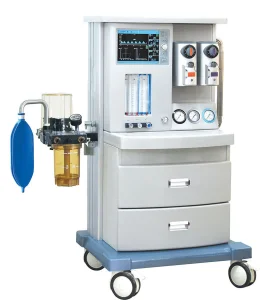
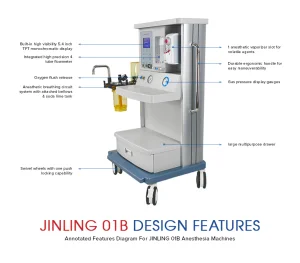
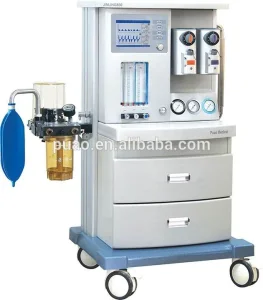
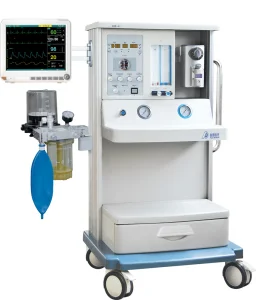
For high-acuity patients in Uganda, our Jinling-850 series provides integrated monitoring that captures ETCO2 and anesthesia gas concentrations, crucial for long-duration surgeries.
The growing veterinary medicine field in Uganda (especially for wildlife conservation and agriculture) is increasingly adopting our portable CE-approved veterinary anesthesia units.
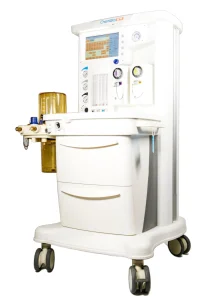
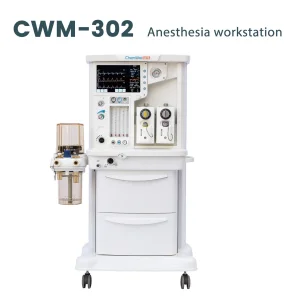
Lightweight, portable models like the CWM-302 are designed for rapid deployment in emergency response units across the East African region.
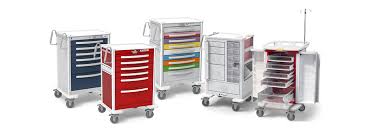
Engineered for Excellence, Trusted by Professionals Worldwide
 Avelar Medical