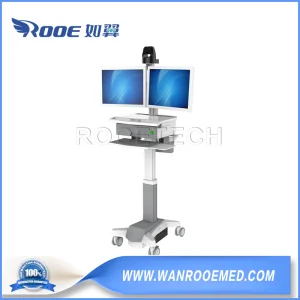
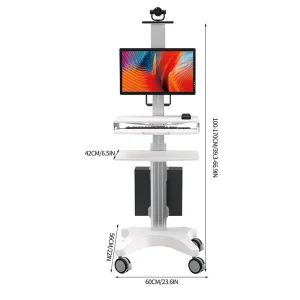
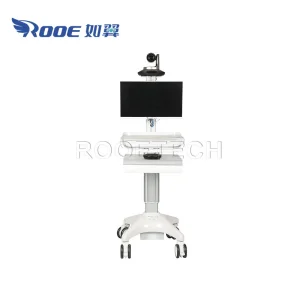
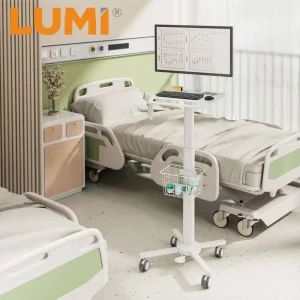
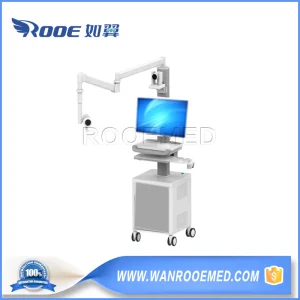
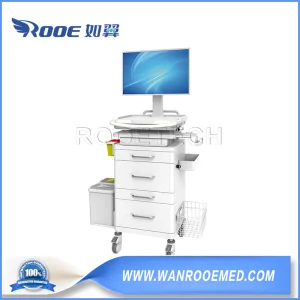
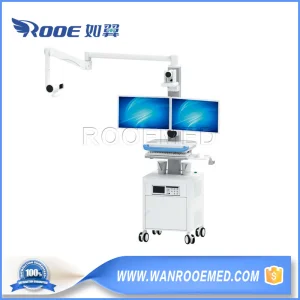
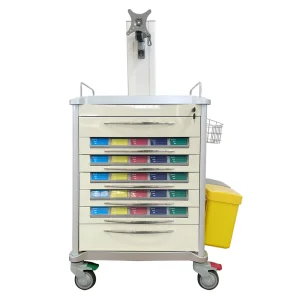
The global Telemedicine Workstation market is witnessing an unprecedented transformation. As healthcare systems worldwide transition from centralized hospital-based care to decentralized, digital-first models, the demand for mobile medical computer carts has surged. In today's commercial landscape, these workstations are no longer just "carts"; they are the primary interface for remote diagnostics, real-time consultation, and surgical assistance.
Industrial data indicates a robust CAGR (Compound Annual Growth Rate) in the telemedicine equipment sector, driven by aging populations in North America and Europe, and the rapid digitization of healthcare in the Asia-Pacific region. High-tech factories are now focusing on integrating 5G connectivity, high-definition peripheral imaging, and antimicrobial surfaces to meet the stringent demands of modern clinical environments.
Telehealth integration is now a mandatory standard for hospitals across 100+ countries, shifting from luxury to necessity.
Bulk procurement strategies emphasize modularity, long-term battery performance, and ergonomic pneumatics.
Strict adherence to ISO 13485 and CE standards ensures patient data safety and chemical resistance for sterilization.
Shenzhen Avelar Medical Co., Ltd., established in 2003, represents the pinnacle of Chinese medical manufacturing excellence. With 21 years of experience, we have evolved from a specialized research group into a global leader in medical technology, operating from a 10,000 square meter facility in Shenzhen and Huizhou.
Future workstations are integrating AI Edge computing to process vital signs and medical imaging locally, providing doctors with instant diagnostic suggestions.
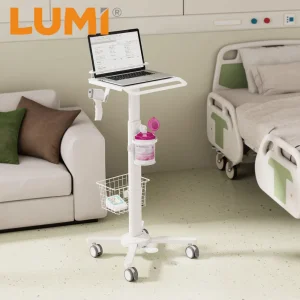
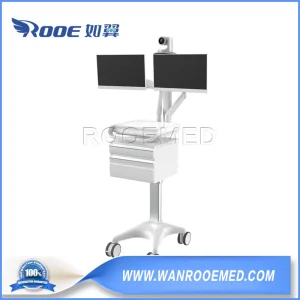
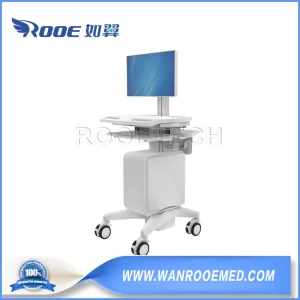
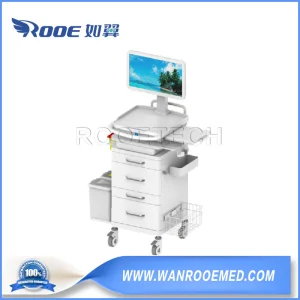
Hospitals are using our All-in-One Luxury Trolleys to bridge the gap between in-person nursing and remote specialist consultation in ICU settings.
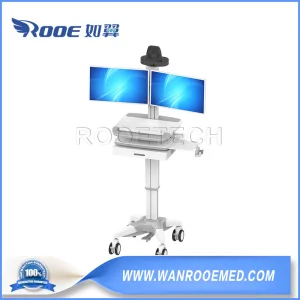
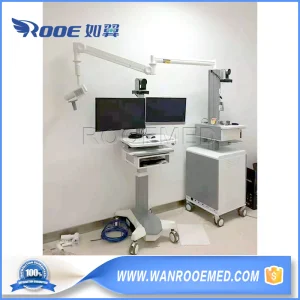
In rural areas, our mobile computer carts serve as "Mini Clinics," allowing general practitioners to connect with specialists in metropolitan hospitals via 4K video streams.
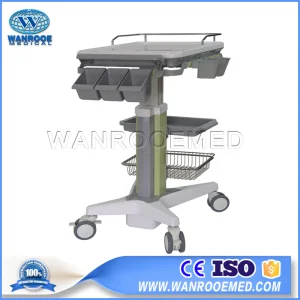
Our Crash Cart Workstations are designed for high-stress environments, offering rapid height adjustment and organized storage for life-saving equipment.
Utilizing high-grade ABS and antimicrobial coatings, our trolleys prevent cross-contamination, a critical trend in post-pandemic procurement.
Modern workstations now include patient-facing screens, facilitating shared decision-making and improving the overall patient experience.
As a leading Telemedicine Workstation Factory in China, we offer unique advantages that Western distributors cannot match. Our integration of R&D and manufacturing allows for rapid prototyping and customization (OEM/ODM). We leverage Shenzhen's global supply chain to source the most advanced electronic components while maintaining cost efficiencies through our high-capacity production lines in Huizhou.
Purchasing a Telemedicine Workstation is a long-term investment for any healthcare provider. For enterprise-level buyers, the priority is shifted towards Total Cost of Ownership (TCO). This includes the initial purchase price, the longevity of the pneumatic lifting systems, and the ease of IT maintenance. As a professional supplier, Avelar Medical addresses these by offering universal mounting options and ultra-silent, medical-grade casters that reduce maintenance frequency.
The trend for 2024 and beyond is clearly moving towards Universal Interoperability. Workstations must be able to host diverse medical software platforms while supporting high-bandwidth video conferencing hardware. Our latest R&D focuses on integrated power management systems (LiFePO4 batteries) that offer full-shift operation without recharging, a critical feature for high-occupancy nursing stations.
By choosing Avelar Medical, you are partnering with a factory that understands the nuances of the medical environment—from the need for hidden cable management to prevent trip hazards, to the importance of a "clean" aesthetic that reassures patients. We continue to innovate, ensuring that our telemedicine workstations remain at the forefront of the digital health revolution.
 Avelar Medical