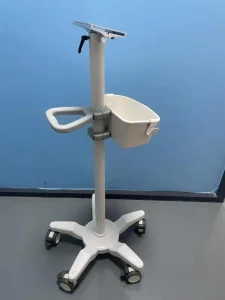
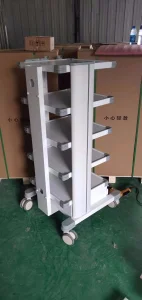
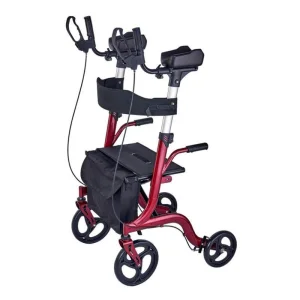
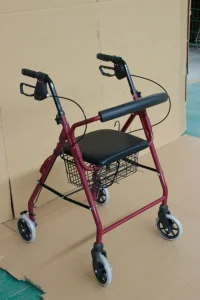
Explore our premium clinical and emergency mobilization solutions optimized for reliability, safety, and operational excellence.
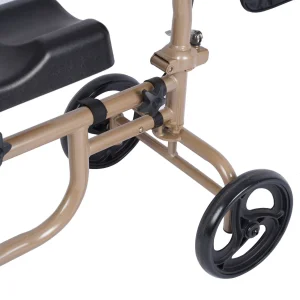
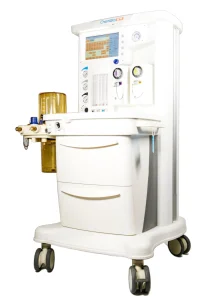
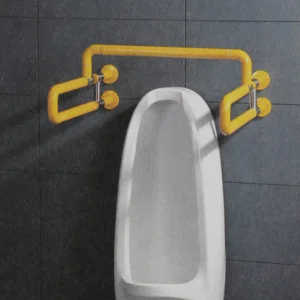
Founded in 2003, Shenzhen Avelar Medical Co., Ltd. has accumulated over 21 years of rich experience in the medical technology industry. Headquartered in Pingshan, Shenzhen, with a state-of-the-art production facility in Huizhou, the company spans a total area of 10,000 square meters. As a leading national high-tech enterprise, Avelar Medical integrates cutting-edge research and development, innovative design, and high-efficiency manufacturing to deliver superior medical and healthcare solutions.
With a team of over 100 highly skilled engineers and technical professionals, and more than 200 advanced manufacturing units, Avelar Medical is committed to pushing the boundaries of technological advancements in the medical field. The company has secured more than 100 national patents, demonstrating our continuous focus on innovation.
Avelar Medical specializes in a broad range of products, including medical equipment installation solutions, intelligent mobile medical devices, assistive technology for residual life support, healthcare products for the bathroom, and more. We work closely with top-tier hospitals and healthcare institutions around the world, providing them with products designed to improve patient care, enhance operational efficiency, and optimize the healthcare environment. Our solutions have reached more than 100 countries and regions, including North America, Europe, the Middle East, and Asia.
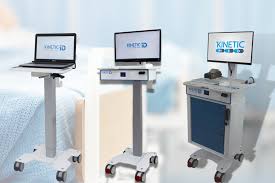
In the rapidly evolving digital health landscape, healthcare systems and group purchasing organizations (GPOs) require more than just mobile equipment stands. Enterprise-grade telemedicine carts must act as seamless integration hubs for critical communication, diagnostics, and electronic health record (EHR) access. Procurement professionals prioritize physical asset lifecycle value, clinical ergonomics, infection control, and reliable battery power solutions.
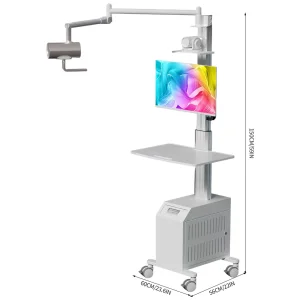
Clinical Ergonomics & Adjustability: Telemedicine units must accommodate different clinician statures. Advanced carts feature motorized or pneumatic height adjustments, multi-directional monitor mounts (VESA compliant) with customizable tilt and swivel features, and ergonomic keyboard trays that facilitate long charting sessions. Custom-engineered medical joints ensure stable adjustment positions without slipping over continuous usage.
Power System Integrity: Modern wards require continuous cart operation. Hot-swappable Lithium Iron Phosphate (LiFePO4) battery systems are now standard, delivering 8 to 12 hours of run time. These systems undergo stringent IEC 60601-1 checks to prevent power failure during remote consultations. Rapid-charging capabilities allow carts to reach 80% battery capacity in under two hours, minimizing hospital workflow interruptions.
"Avelar Medical's engineering philosophy is anchored on 'Quality First' and 'Customer First.' Every custom mobile cart we construct undergoes rigid structural testing, ensuring maximum security and smooth integration with high-end hospital environments."
Healthcare institutions require cohesive ecosystems rather than isolated equipment. China telemedicine cart manufacturers like Avelar Medical deliver comprehensive spatial solutions designed to support diverse departments, including ICUs, emergency rooms, isolation clinics, and eldercare facilities.
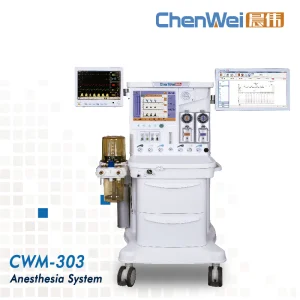
ICU and Emergency Room Coordination: In critical care environments, quick decisions save lives. Telemedicine carts coordinate with advanced anesthesia workstations and emergency hospital ventilators. They allow remote specialists to monitor patients, check vital signs in real time, and adjust treatment protocols from afar, reducing physical entry into high-risk containment zones.
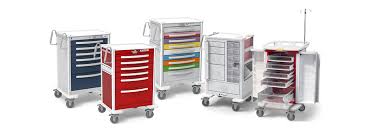
Infection Prevention and Control (IPC): Mobile trolleys must withstand harsh hospital disinfectants. Carts designed by Avelar Medical use antimicrobial powder-coated steel, medical-grade plastics, and smooth surfaces to eliminate crevices where pathogens hide. Easy-to-clean designs support infection control protocols and protect vulnerable patients.
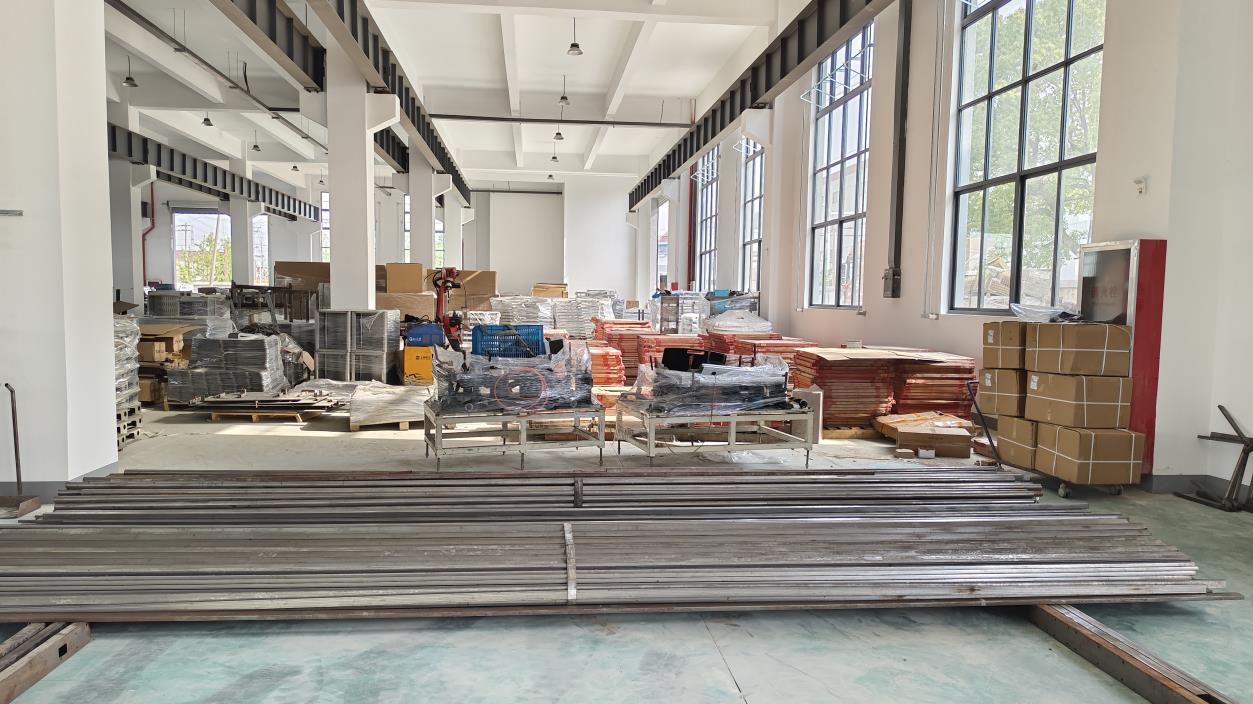
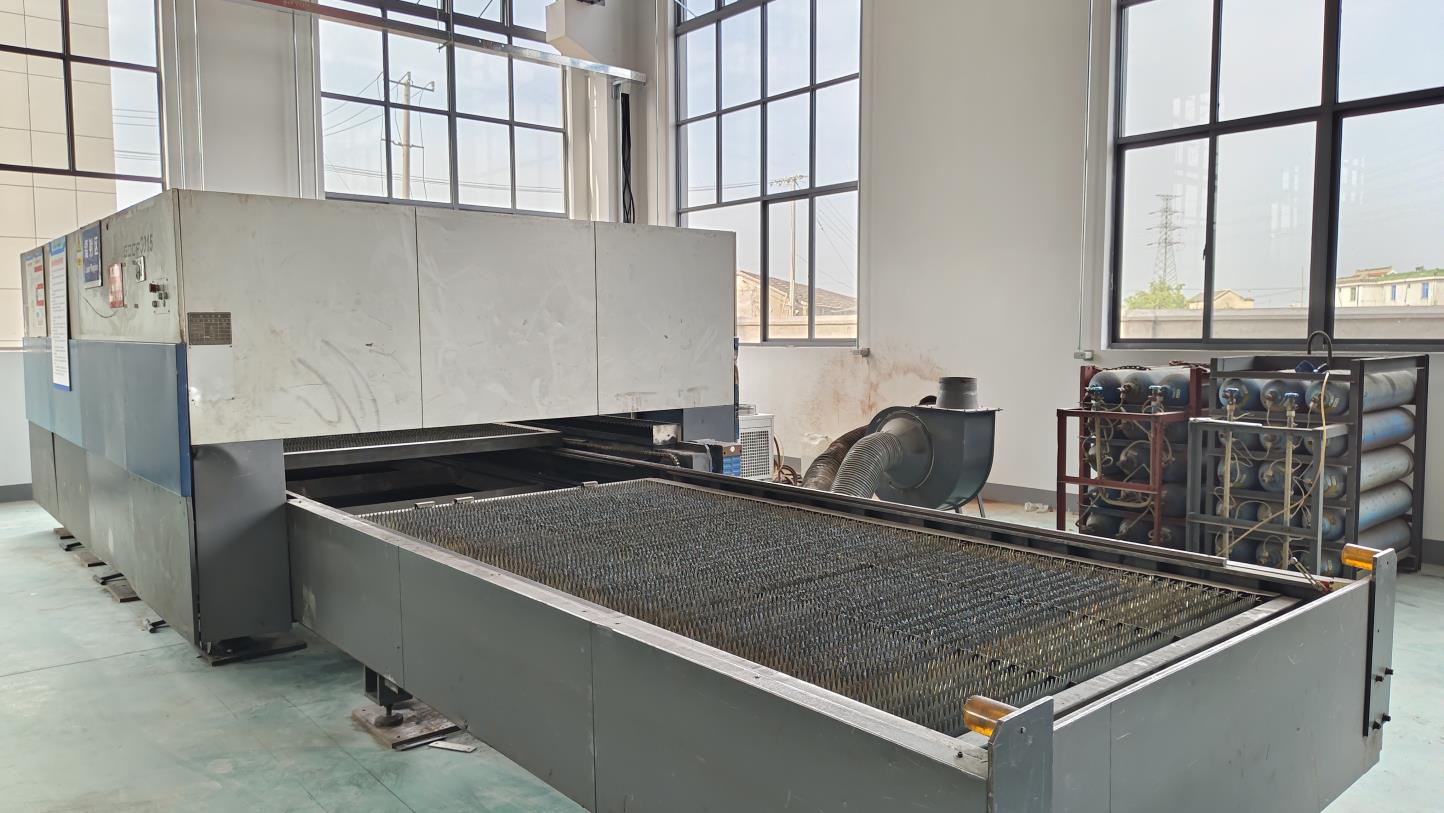
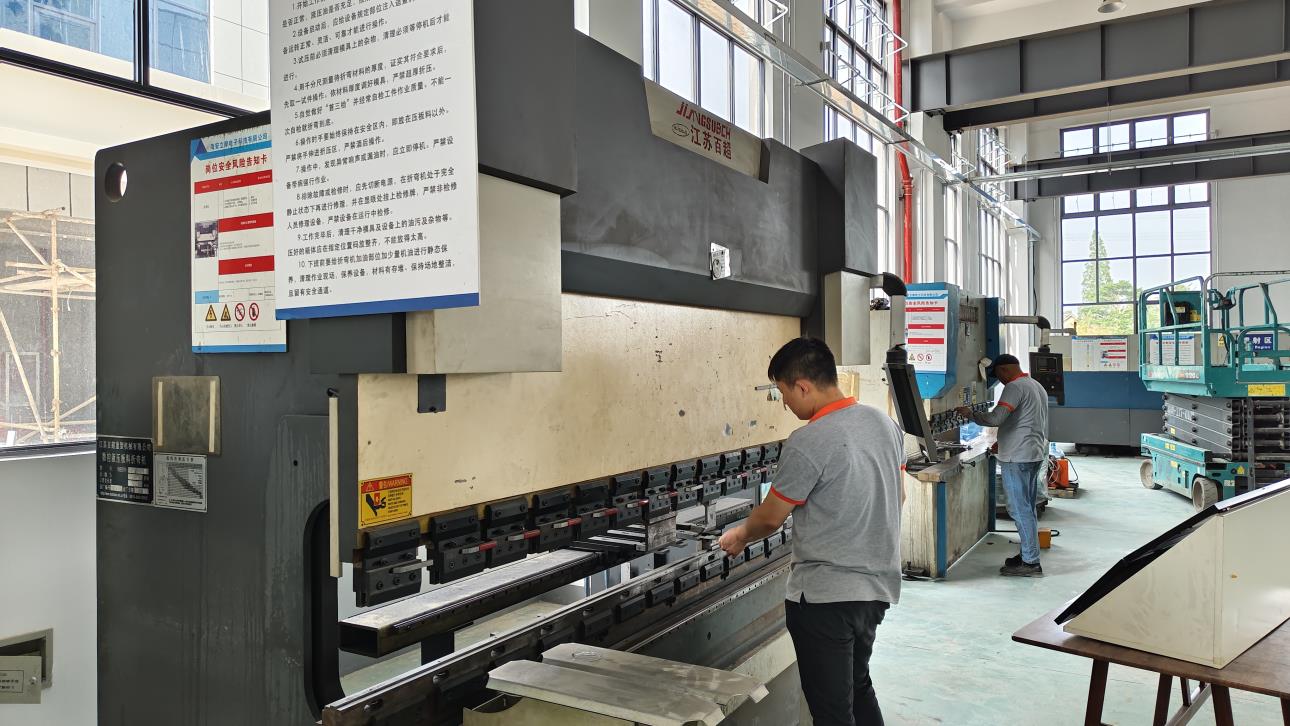
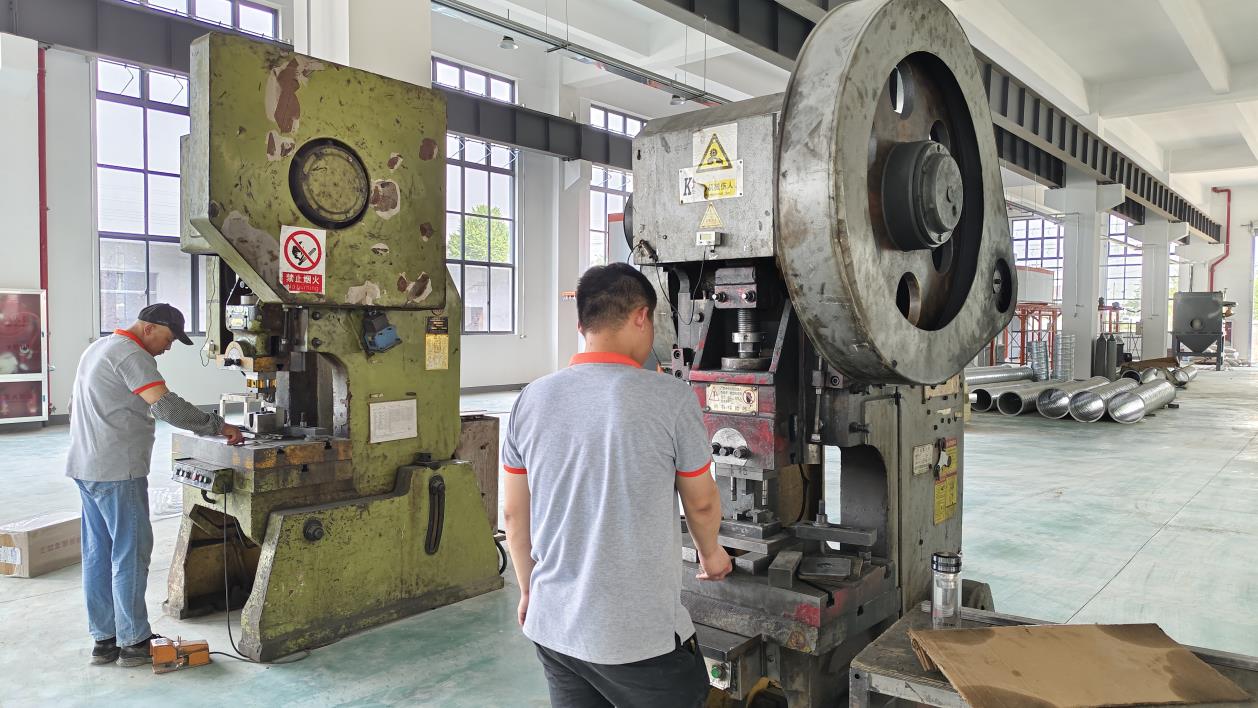
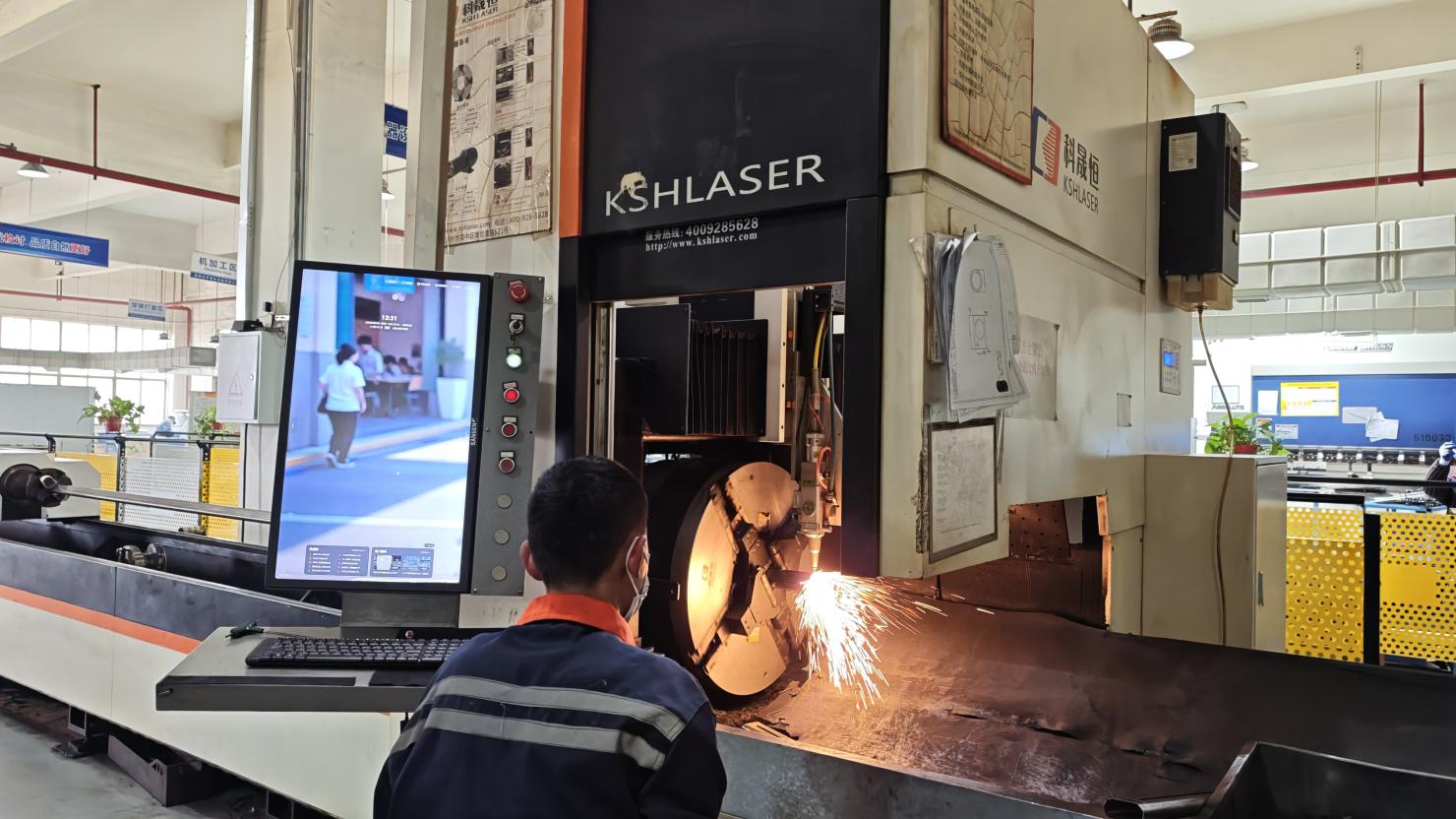
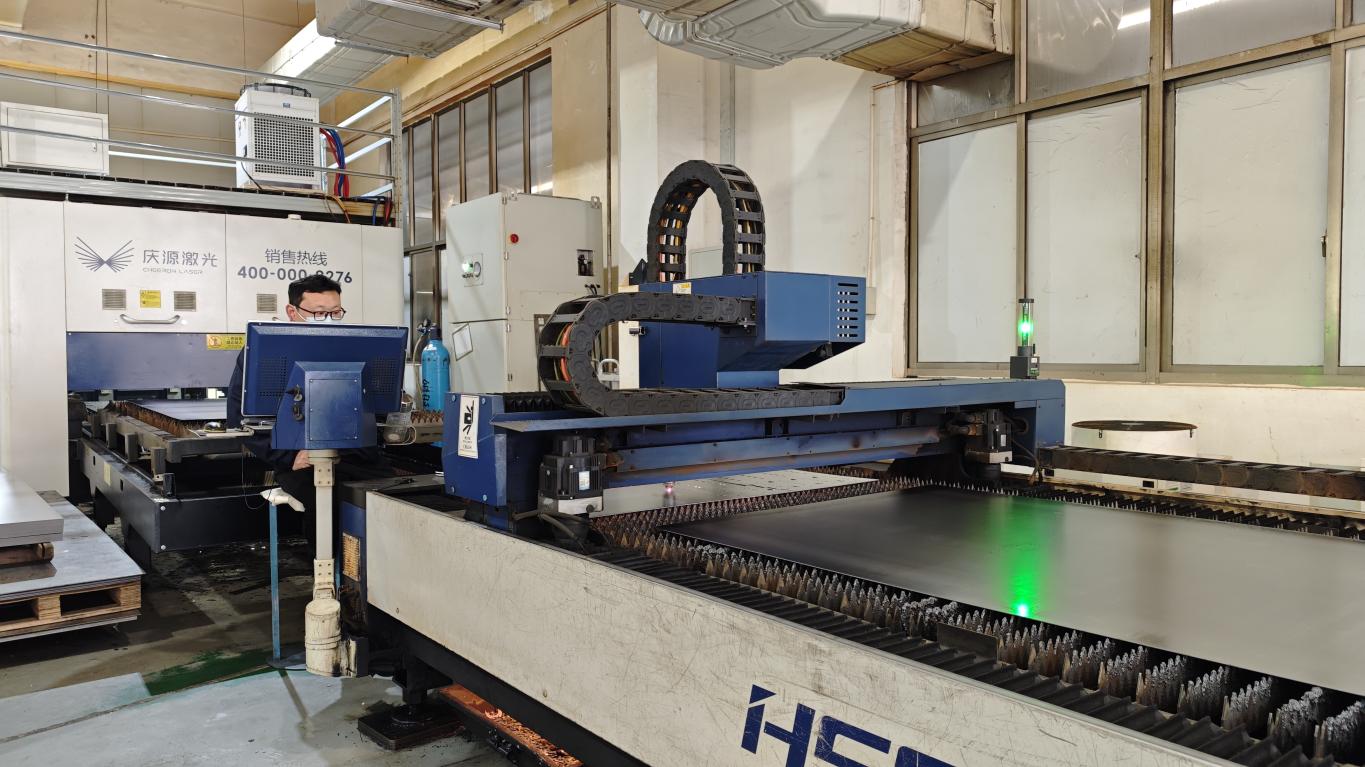
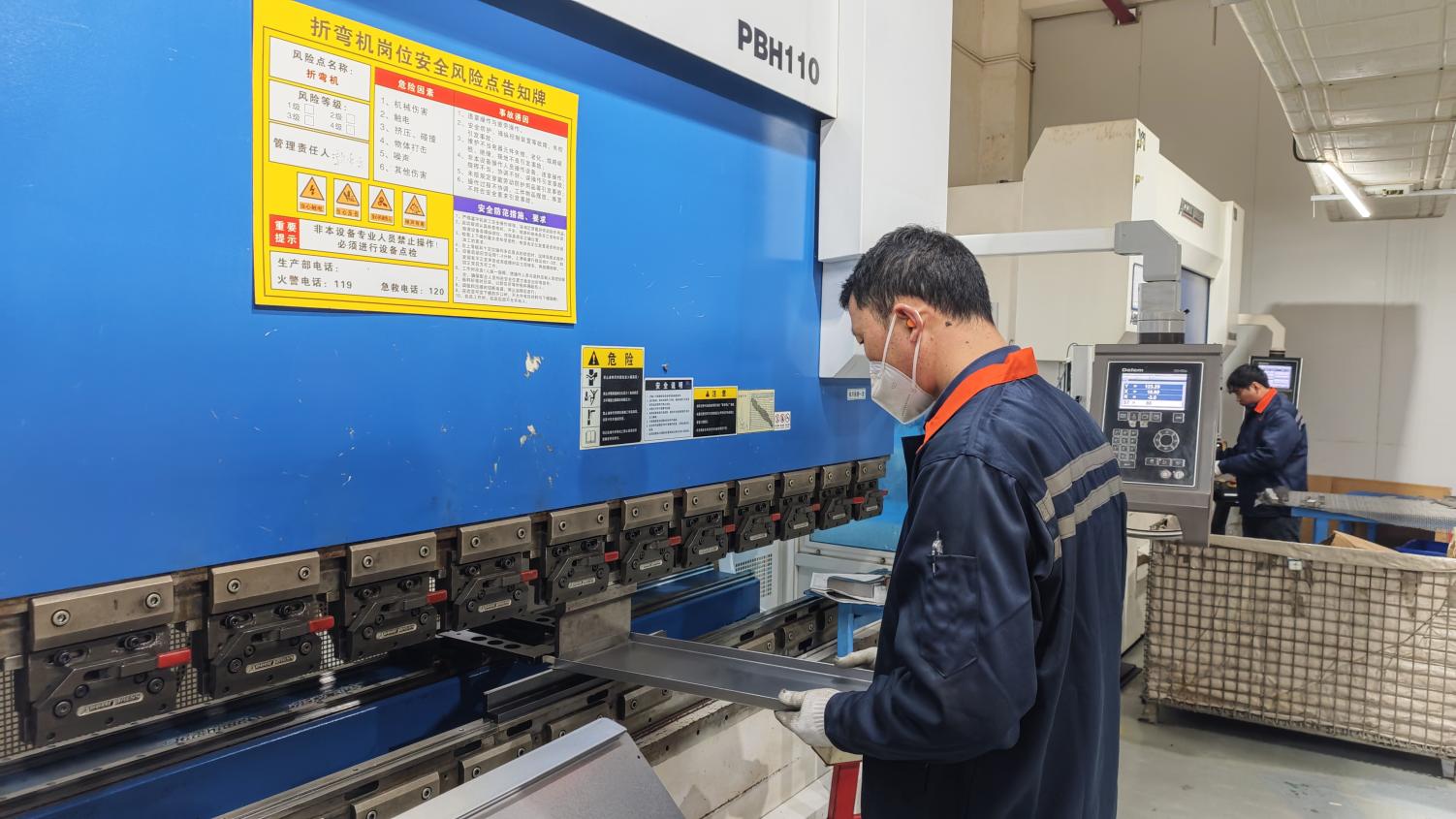
A transparent look inside our state-of-the-art production workflow in Huizhou, utilizing advanced robotic fabrication and QA systems.
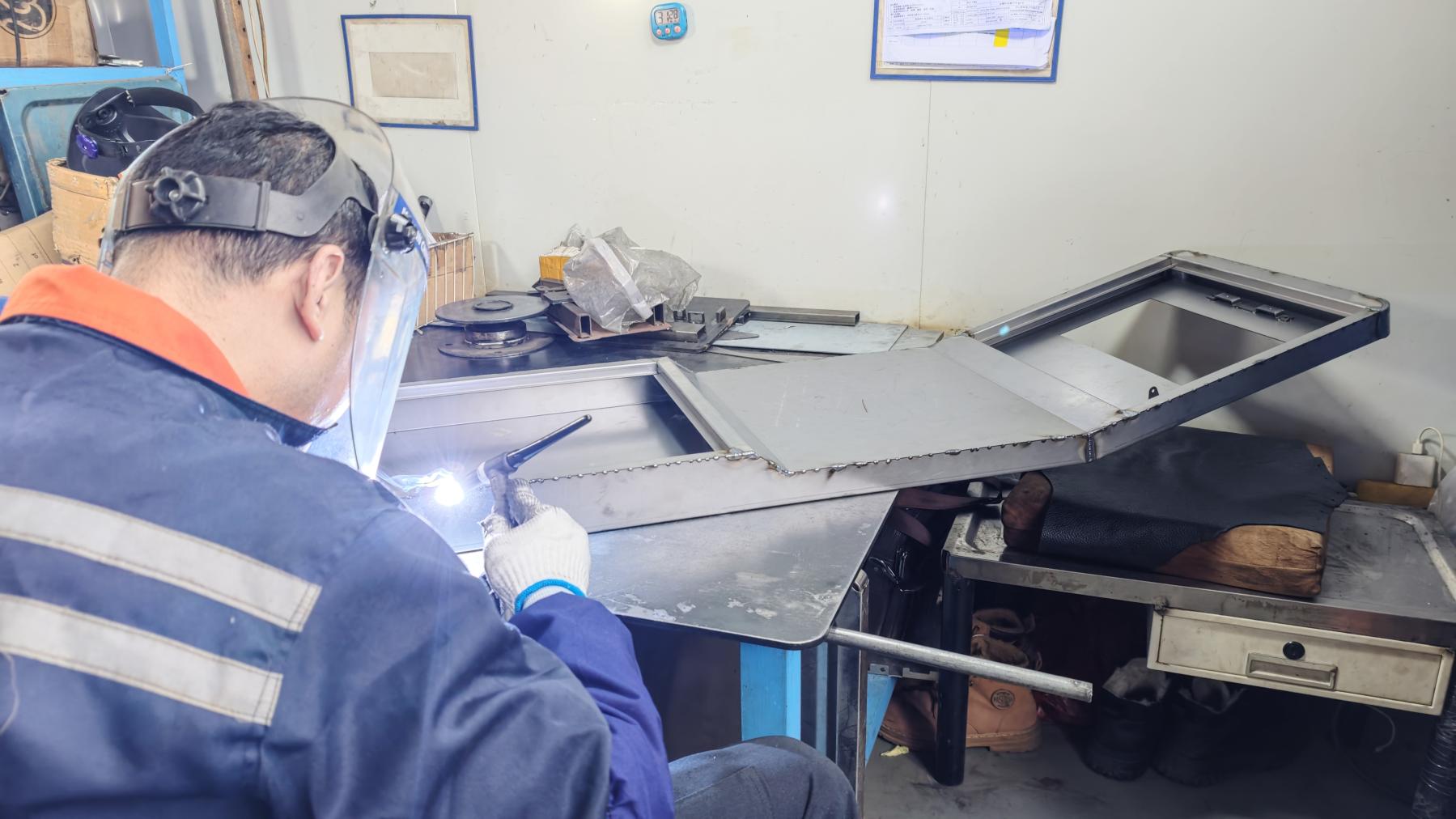
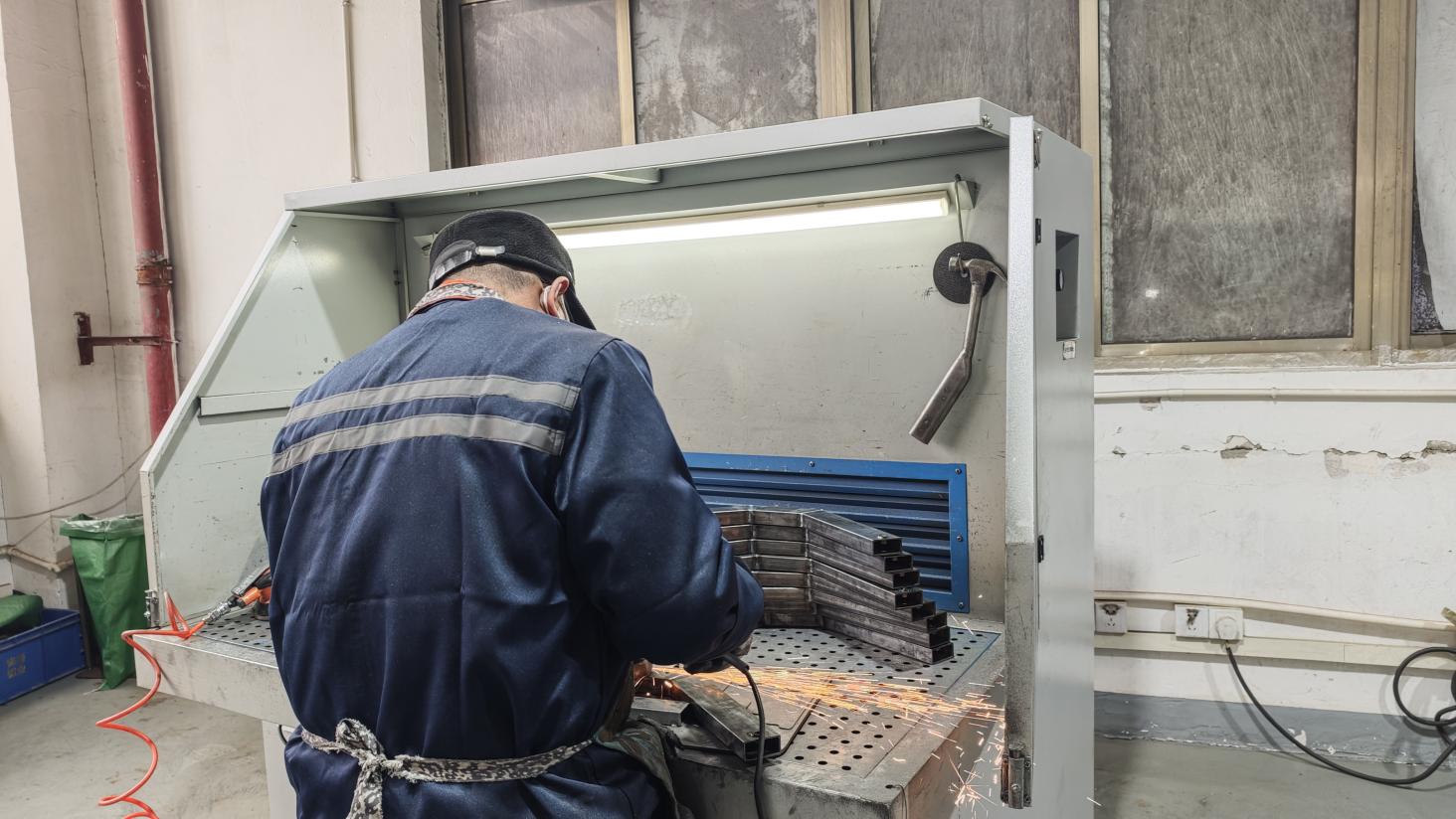
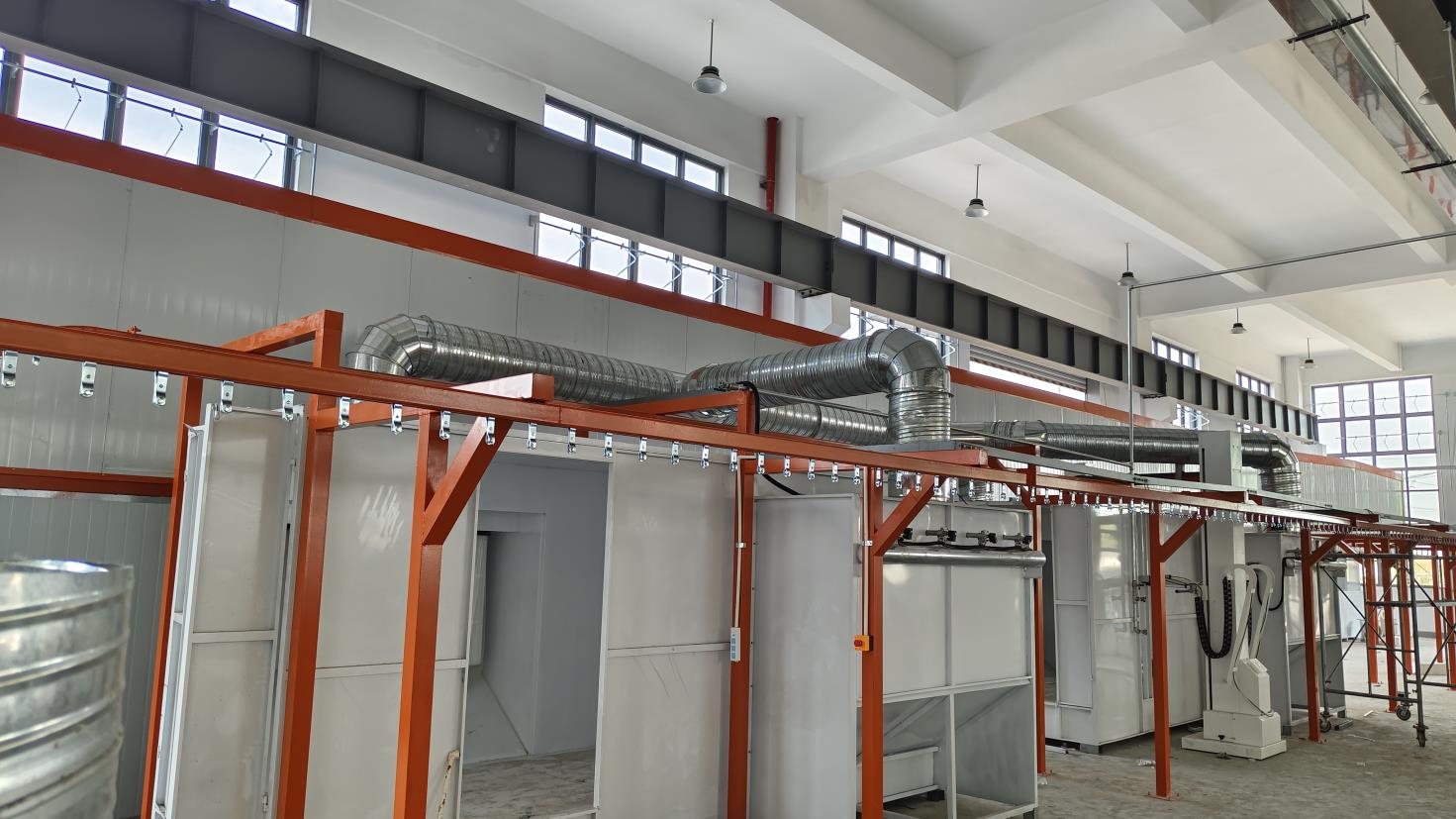
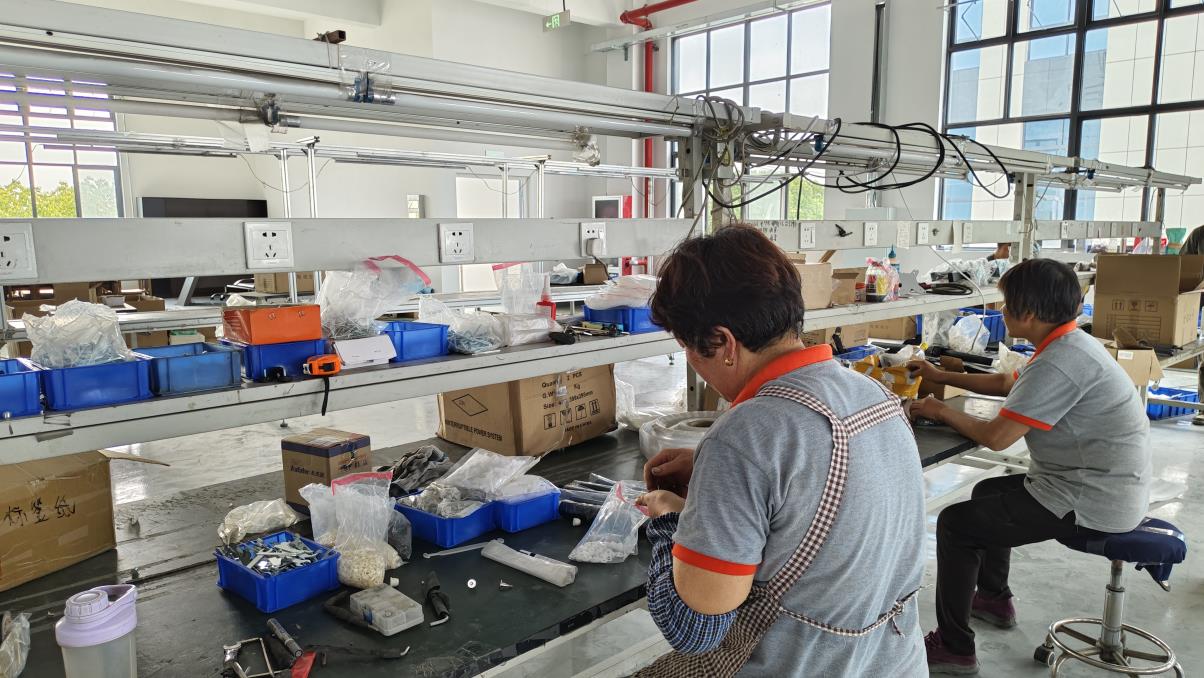
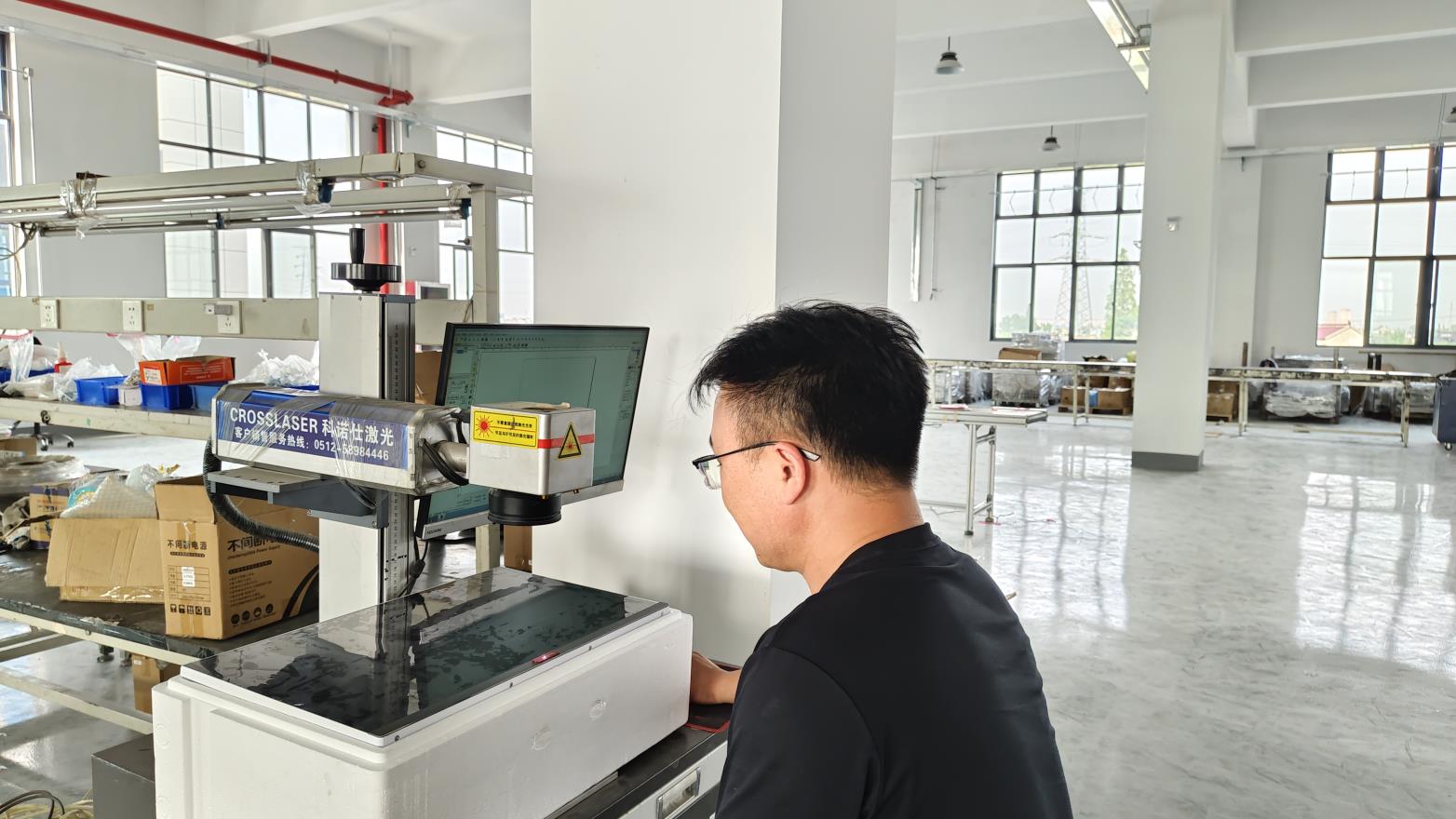
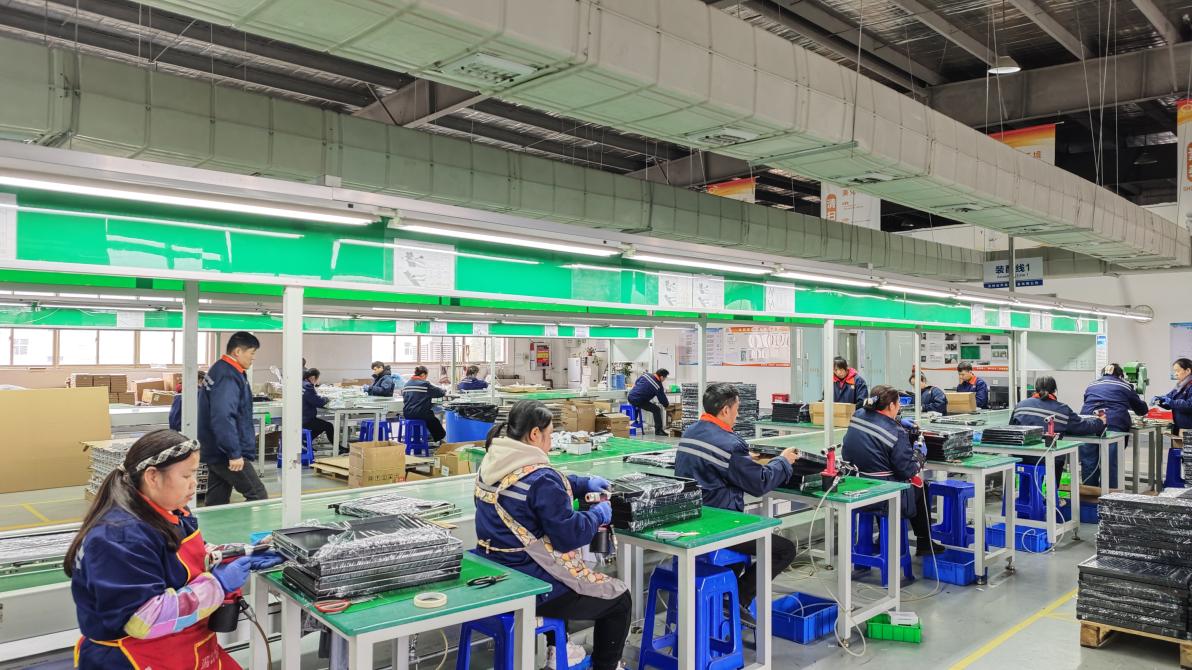
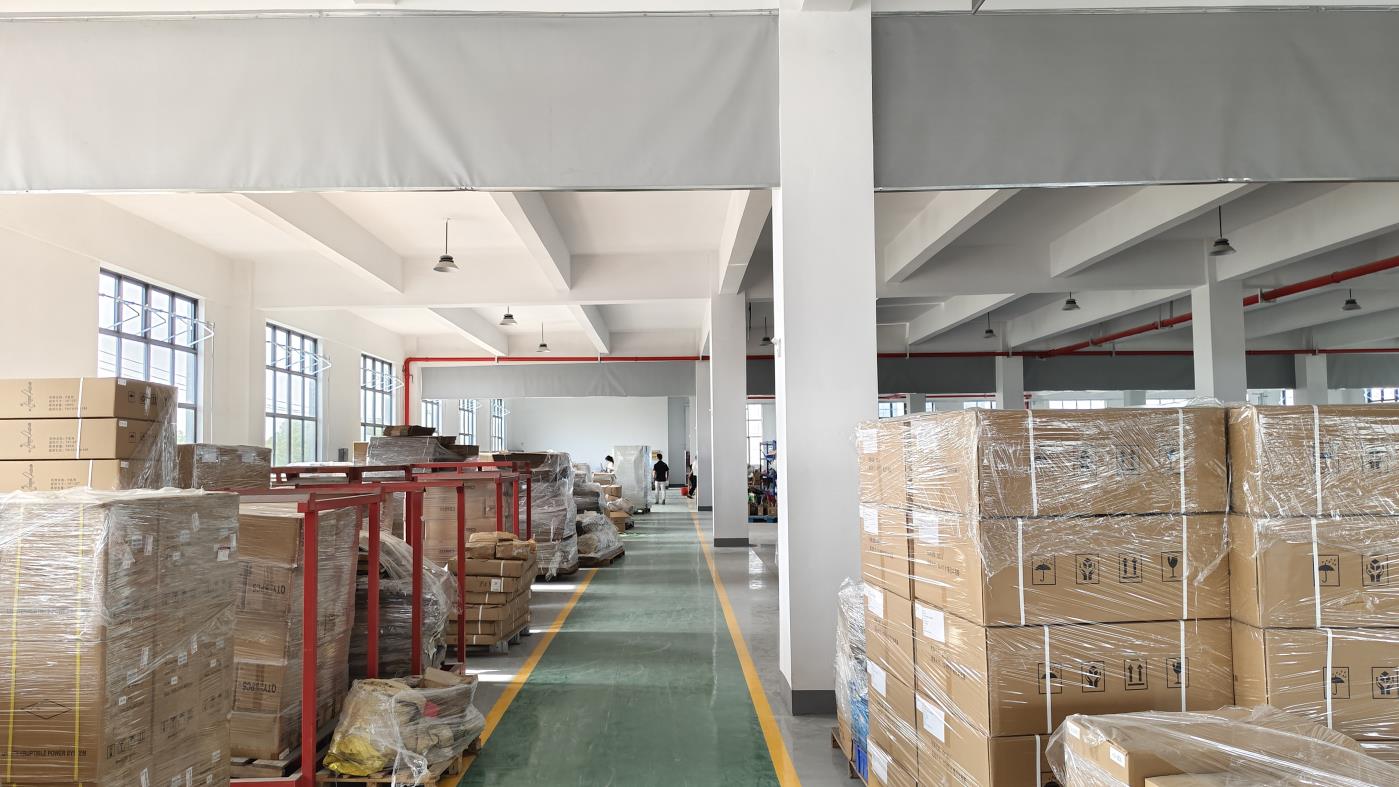
Telemedicine hardware technology is transitioning from static equipment stands to dynamic clinical interfaces. Avelar Medical's development roadmap focuses on integrating advanced connectivity, IoT management, and user-centric features:
IoT Fleet Management: Future telemedicine trolleys will include integrated IoT sensors. Fleet managers can monitor battery lifecycle performance, trace cart positions using ultra-wideband (UWB) indoor positioning systems, and schedule predictive maintenance before system downtime occurs.
AI-Assisted Diagnostic Mounts: Carts will feature dedicated ports and mounting plates for AI edge-computing cameras and diagnostic peripherals. These systems automatically frame telehealth video calls, adjust lighting conditions in patient rooms, and run preliminary vision-based vitals analysis during standard remote consultations.
Advanced Materials Integration: Carbon-fiber frame components and custom injection-molded polymers reduce total vehicle weight while maintaining structural strength, ensuring smooth mobility and stable operation.
The demand for medical carts is rising globally due to healthcare modernization and aging populations:
North America: Focuses on high-end integrated carts that support complex EHR environments, medical-grade security systems, and UL 60601-1 certification.
Europe: Requires strict compliance with CE marking and Medical Device Regulation (MDR) standards, emphasizing ergonomic designs and eco-friendly manufacturing materials.
Asia-Pacific & Middle East: Driven by smart hospital build-outs and the expansion of rural telehealth networks. These regions prioritize versatile, cost-effective mobile carts with reliable power configurations.
Avelar Medical leverages its strategic location in the Shenzhen-Huizhou industrial corridor to source premium raw materials and high-precision electronic components, optimizing production timelines and delivering cost-competitive solutions globally.
Exporting medical devices requires compliance with regional safety and utility guidelines. Avelar Medical maintains a comprehensive compliance framework to support international distribution:
Regulatory Certifications: Our manufacturing processes align with ISO 13485 quality management systems. Our mobile carts, roll stands, and workstation components are designed to meet CE, FDA, and IEC 60601-1 standards, ensuring electrical and structural safety in clinical environments.
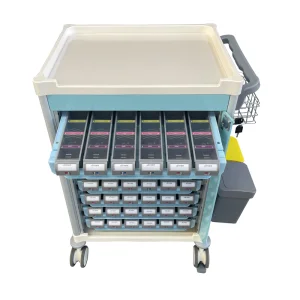
OEM/ODM Customization: We offer tailored solutions to meet specific client requirements, including custom branding, localized power outlets (US, EU, UK, AU), specialized mounting arm configurations, and targeted drawer layouts for medication distribution.
After-Sales Support: Through partnerships with international distributors, we provide localization assistance, including replacement part delivery, assembly support, and maintenance guidelines to ensure operational continuity.
Find answers to common questions regarding telemedicine cart specifications, customization options, and regulatory compliance.
Comprehensive patient care solutions, clinical roll stands, and high-durability assistive products designed for diverse medical applications.
 Avelar Medical