Explore our state-of-the-art mobile medical carts, anesthesia workstations, and assistive rolling platforms deployed worldwide.
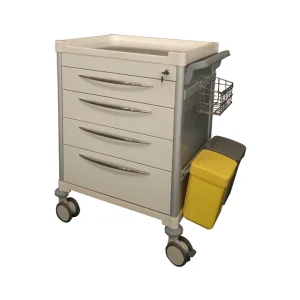
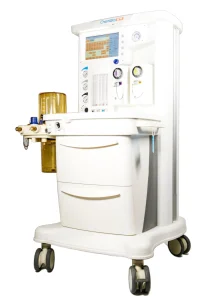
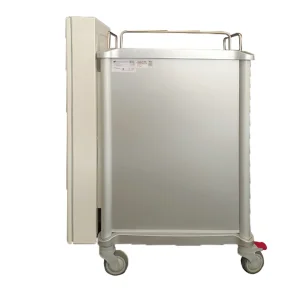
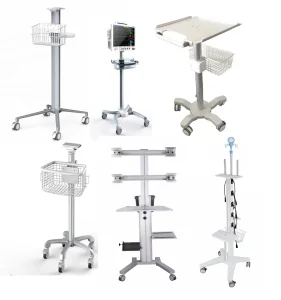
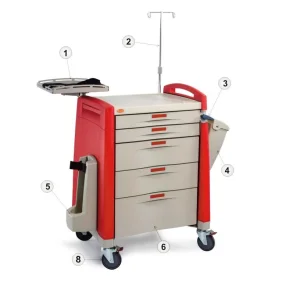
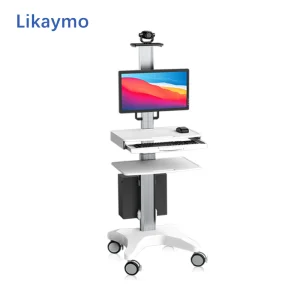
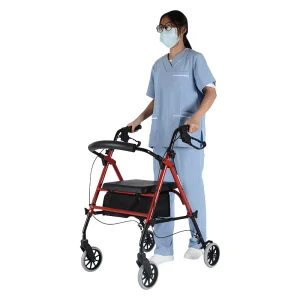
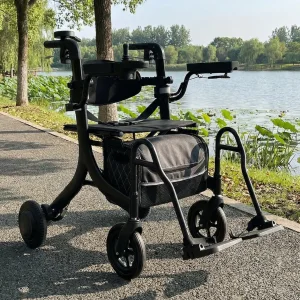
Shenzhen Avelar Medical Co., Ltd. was founded in 2003 and has accumulated over 21 years of rich experience in the medical technology industry. Headquartered in Pingshan, Shenzhen, with a state-of-the-art production facility in Huizhou, the company spans a total area of 10,000 square meters. As a leading national high-tech enterprise, Avelar Medical integrates cutting-edge research and development, innovative design, and high-efficiency manufacturing to deliver superior medical and healthcare solutions.
With a team of over 100 highly skilled engineers and technical professionals, and more than 200 advanced manufacturing units, Avelar Medical is committed to pushing the boundaries of technological advancements in the medical field. The company has secured more than 100 national patents, demonstrating our continuous focus on innovation.
Avelar Medical specializes in a broad range of products, including medical equipment installation solutions, intelligent mobile medical devices, assistive technology for residual life support, healthcare products for the bathroom, and more. We work closely with top-tier hospitals and healthcare institutions around the world, providing them with products designed to improve patient care, enhance operational efficiency, and optimize the healthcare environment. Our solutions have reached more than 100 countries and regions, including North America, Europe, the Middle East, and Asia.
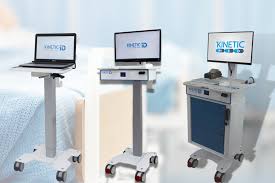
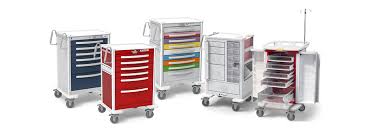
Analyzing macro shifts in decentralized medical infrastructures, telemedicine integration, and the global demand for smart clinical furniture.
The global healthcare landscape is undergoing a structural paradigm shift from centralized, hospital-centric care models to decentralized, patient-centric telehealth systems. Remote Patient Monitoring (RPM) and real-time telehealth clinical workflows are no longer auxiliary systems; they have become core infrastructure components for modern healthcare networks. As hospitals cope with rising emergency admissions, staff shortages, and the increasing complexity of geriatric care, the integration of advanced mobile workstations and telemedicine terminals is key to optimizing hospital operations.
This structural change drives a huge demand for highly specialized hardware. High-quality telehealth monitoring systems require not just digital infrastructure, but physical platforms that ensure stability, ergonomic optimization, clinical sanitization, and seamless integration with existing medical devices. High-quality medical carts, mobile endoscopy workstations, and automated medication dispensing trolleys form the structural foundation of modern point-of-care workflows.
In mature markets like North America and Europe, stringent healthcare safety protocols (such as IEC 60601-1 standards and HIPAA regulations) drive the market toward suppliers that can balance robust mechanical design with digital device integration. Meanwhile, rapidly developing healthcare sectors in Asia and the Middle East are investing heavily in flexible emergency response platforms. These systems enable medical professionals to move vital equipment—such as ECGs, ICU ventilators, and gastrointestinal patient monitors—swiftly across diverse clinical departments without compromising system calibration or patient safety.
As a leading supplier, Avelar Medical sits at the intersection of these industrial developments. Our business philosophy focuses on providing solutions that meet international regulatory and clinical standards, and help hospitals globally reduce operational blockages and maximize bedside efficiency.
How Shenzhen's industrial cluster combined with advanced production processes ensures reliable delivery, custom design, and consistent quality.
China's medical device manufacturing sector has shifted from basic structural assembly to advanced, high-tech engineering. The Pingshan district in Shenzhen and its surrounding industrial areas are prime examples of this transformation. Here, we benefit from close proximity to raw material providers, electronics manufacturers, and international logistics hubs. This integration enables us to compress research and development cycles, iterate designs rapidly, and build structural platforms that perform reliably in demanding clinical environments.
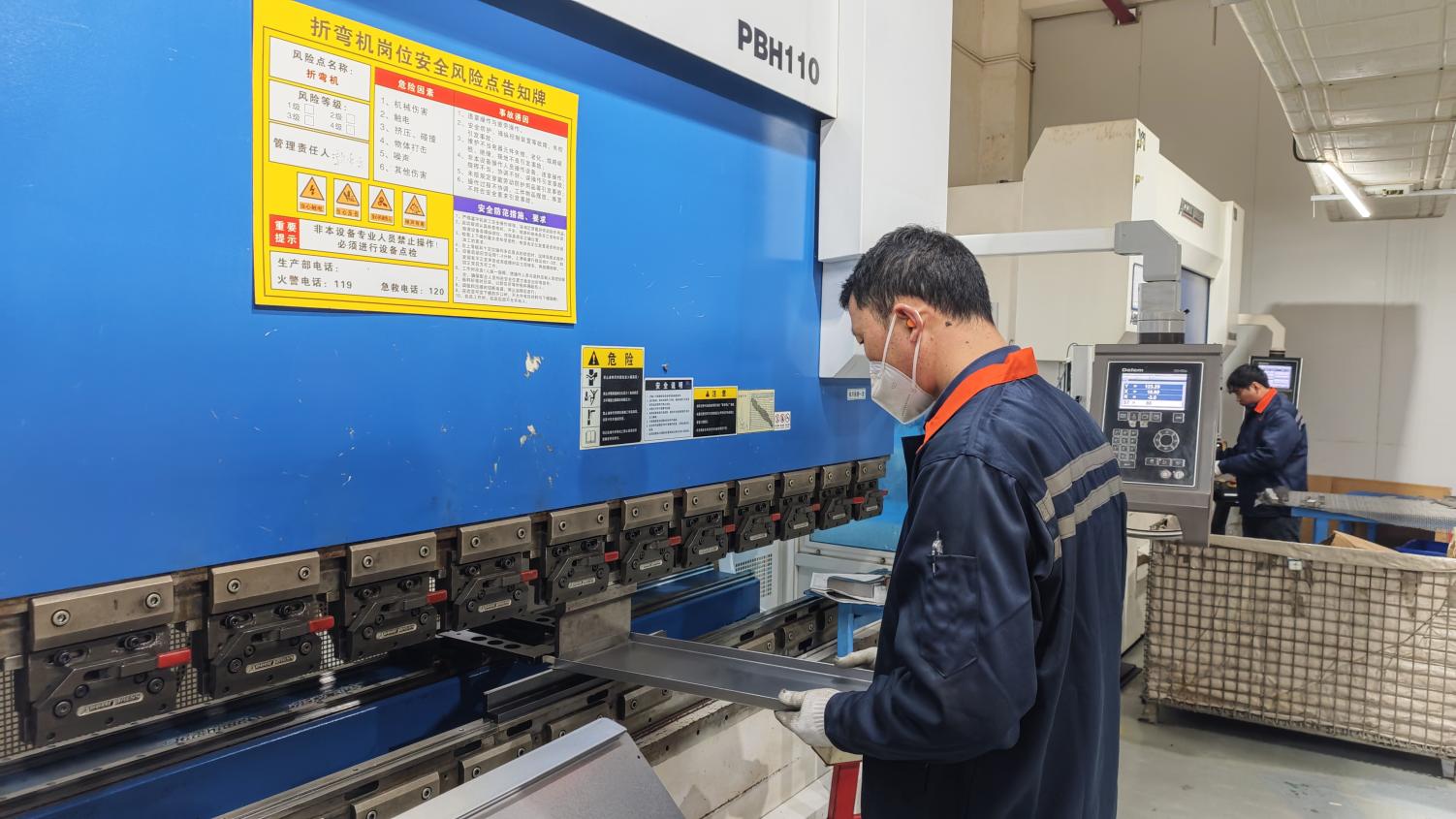
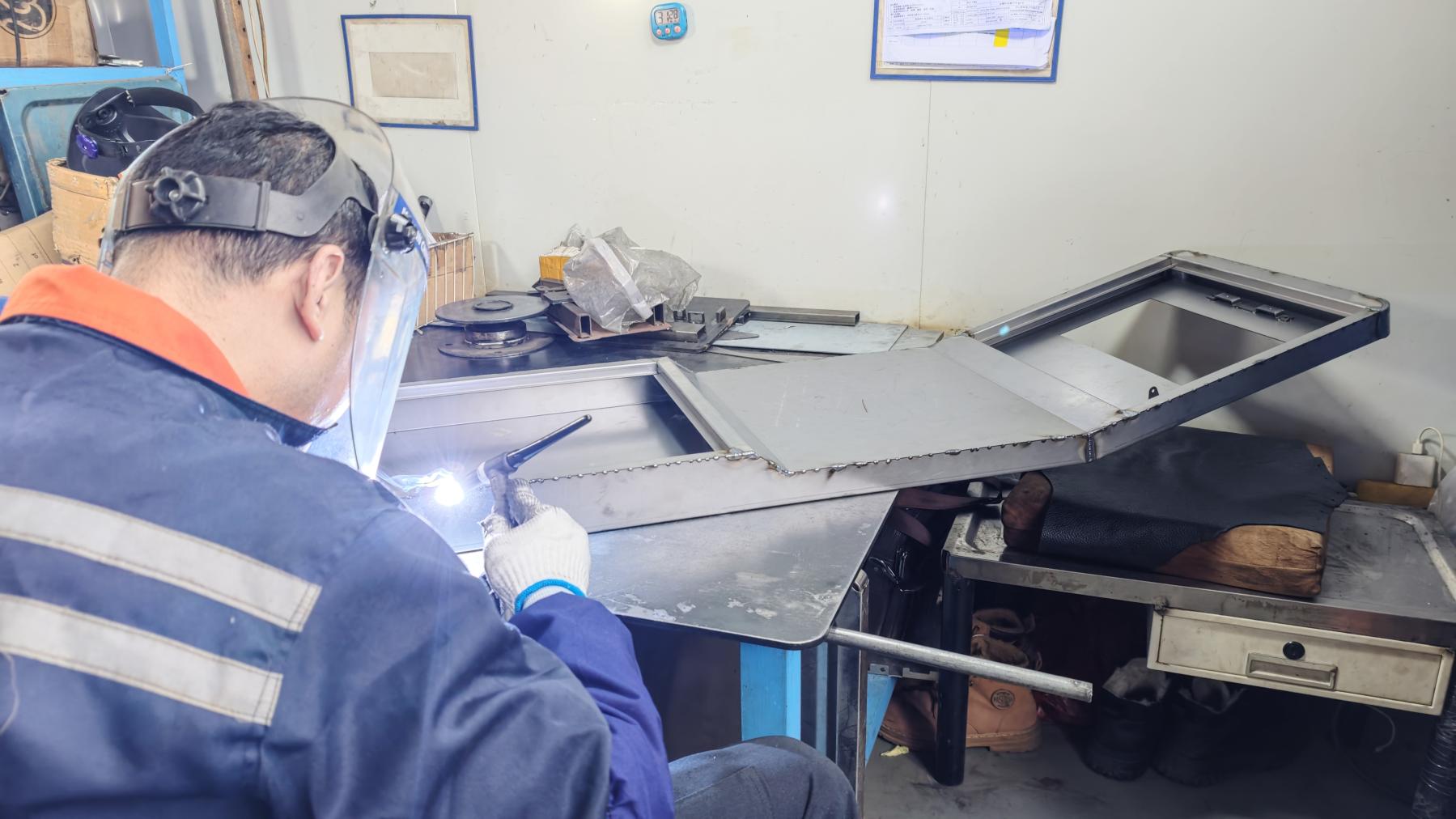
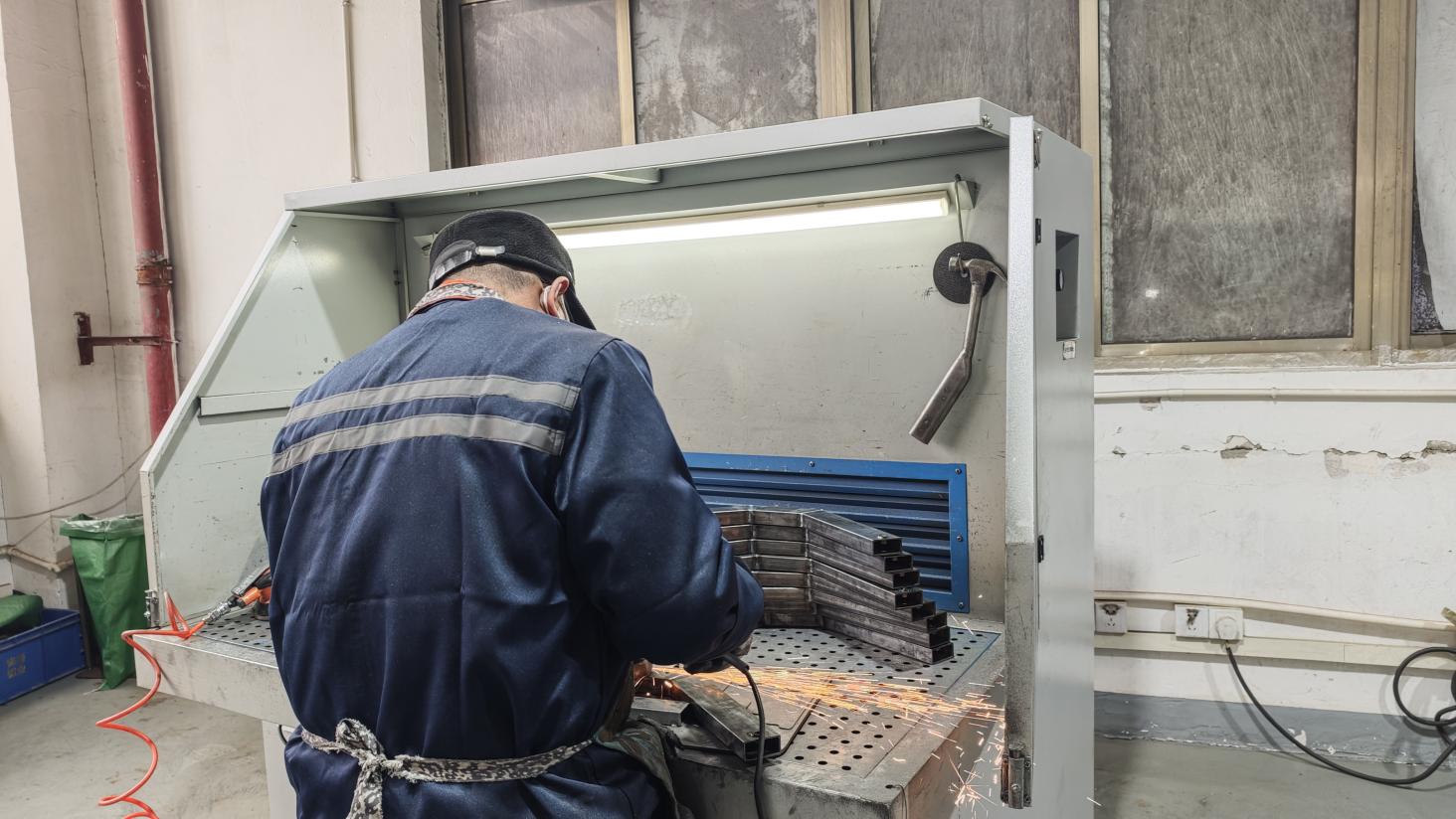
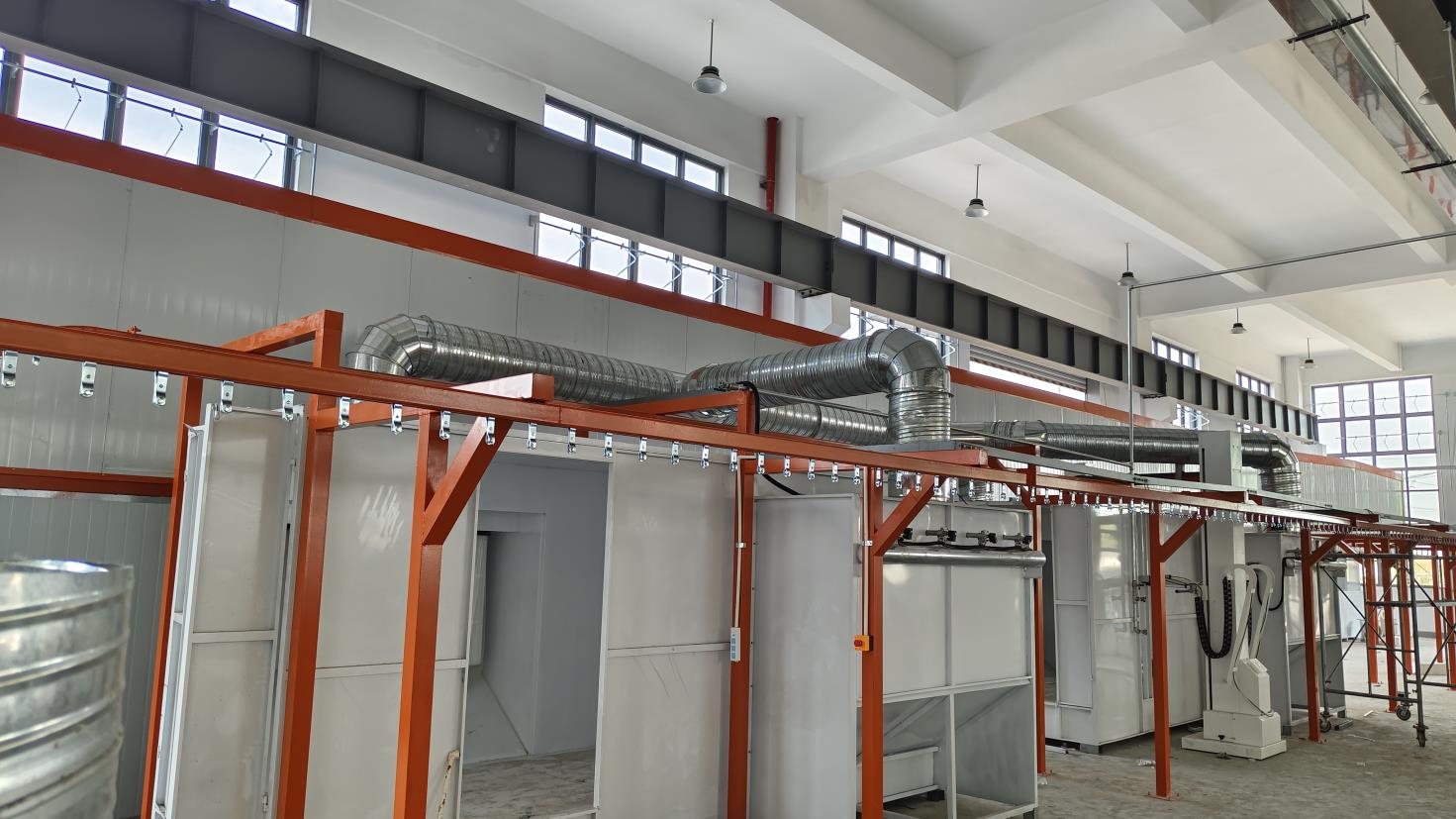
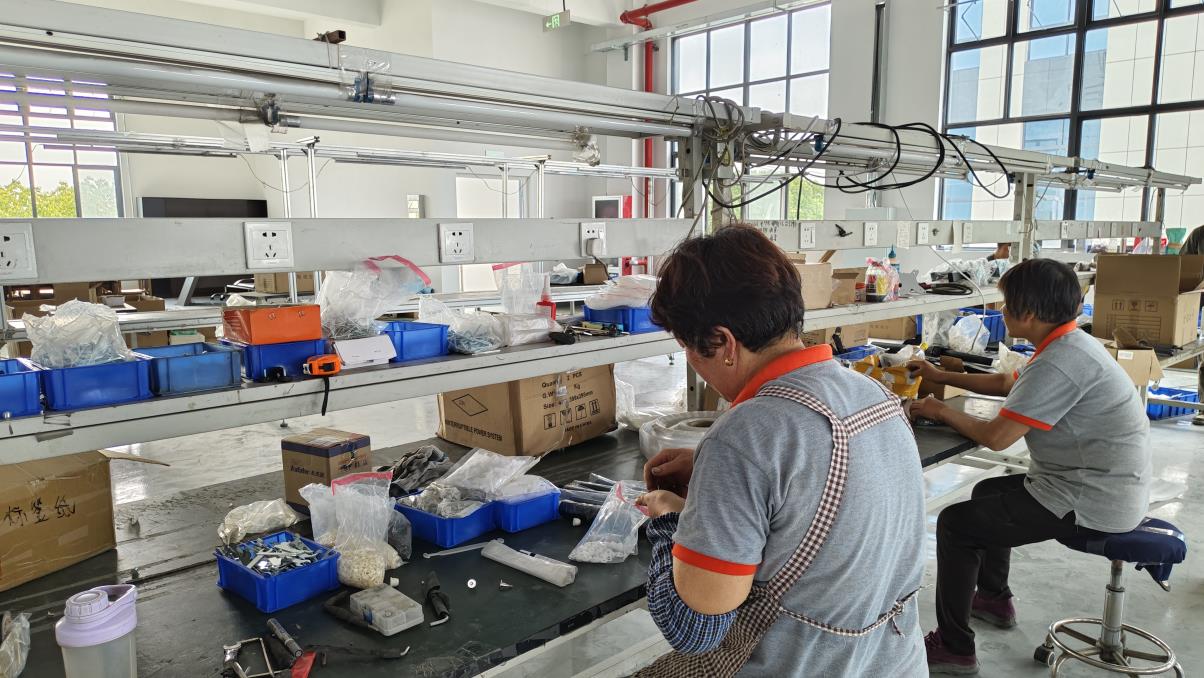
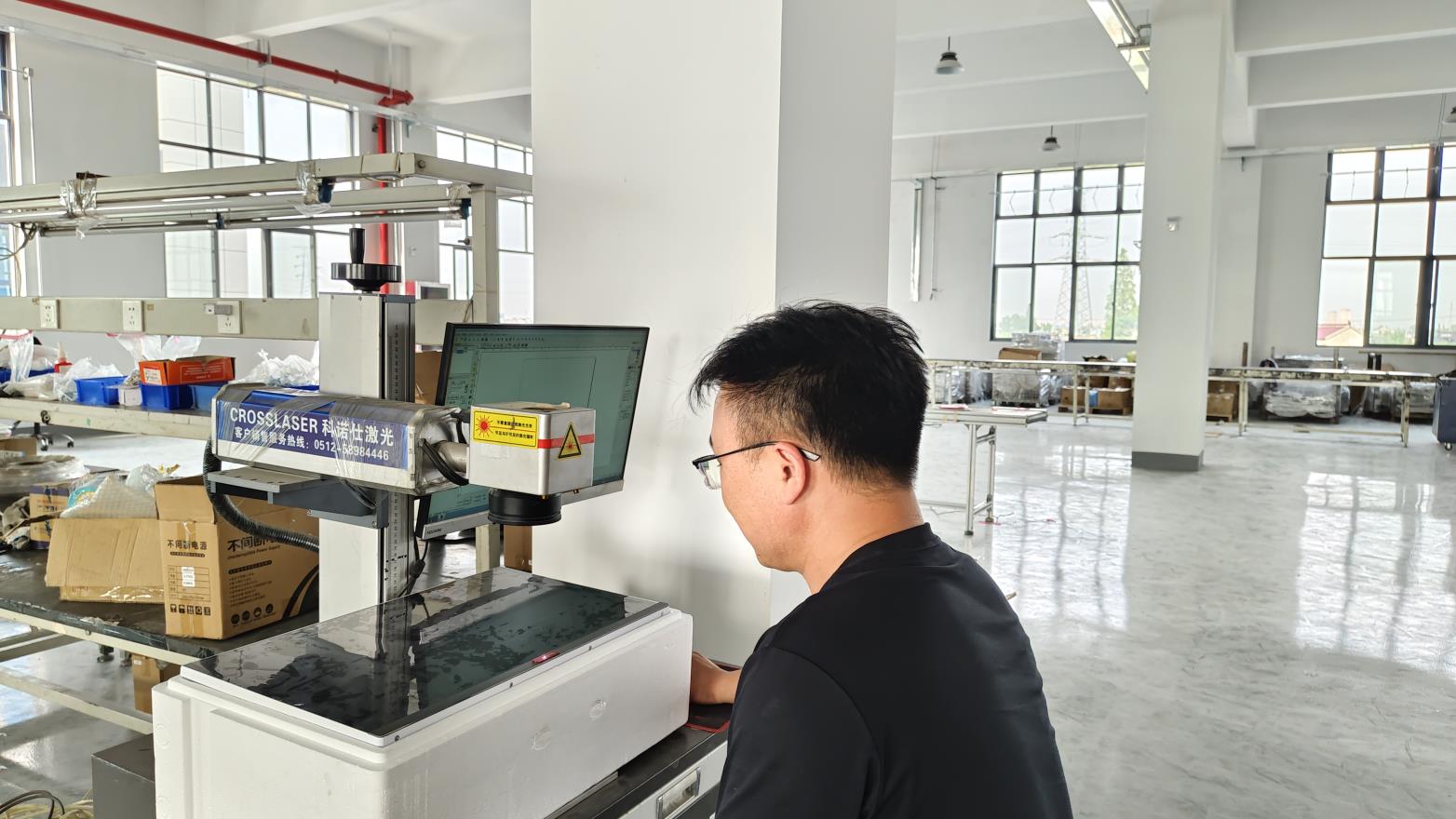
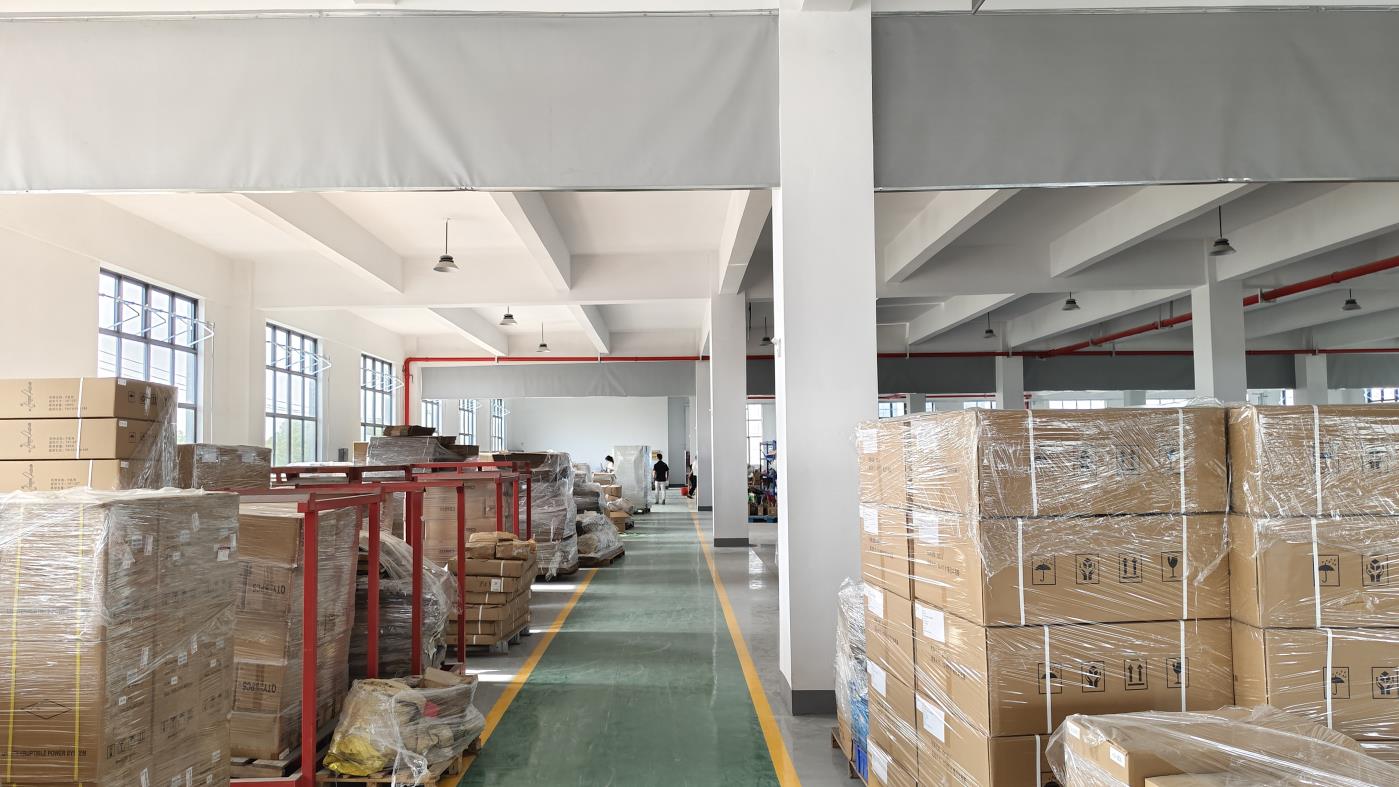
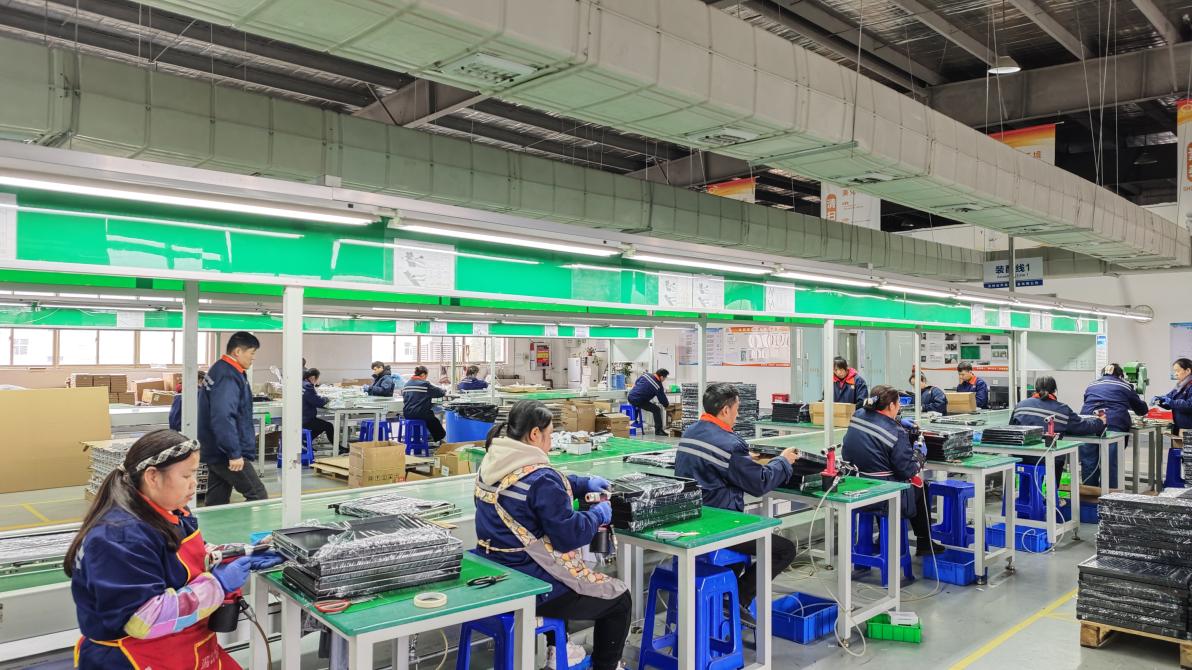
At Avelar Medical, our Huizhou production facility covers 10,000 square meters. It is equipped with advanced laser cutting, robotic welding, precision bending, and automated electrostatic powder coating systems. This end-to-end control of the manufacturing process ensures that every piece of raw material undergoes rigorous testing before assembly. This level of oversight guarantees that our medical carts and telemedicine terminals meet strict international criteria for chemical resistance, structural load-bearing capacity, and longevity.
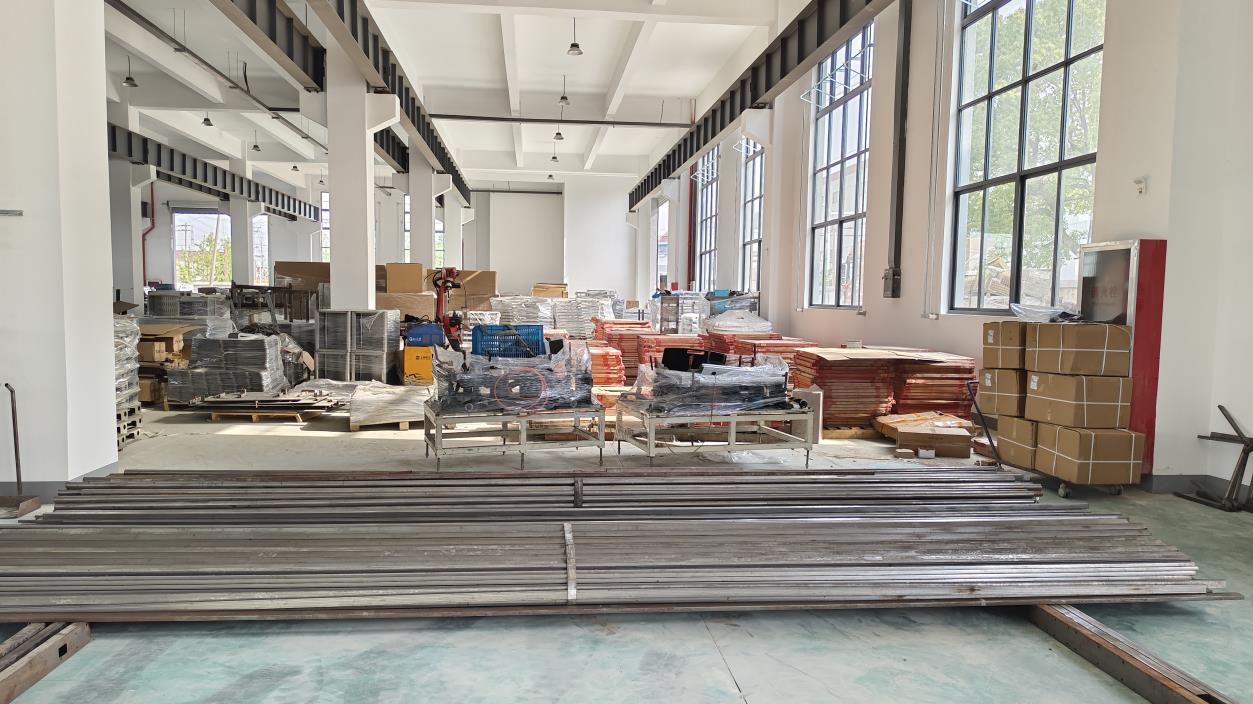
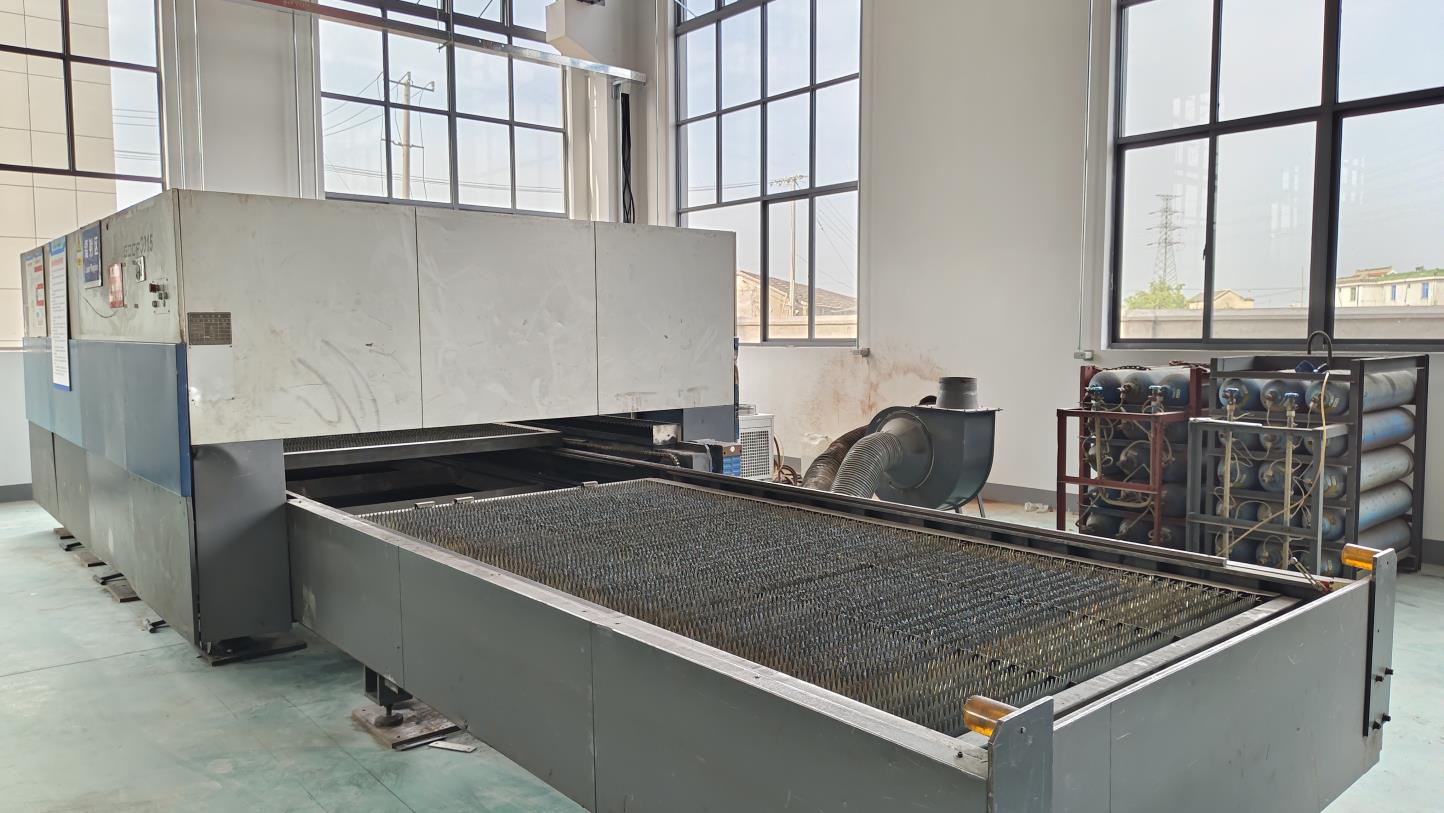
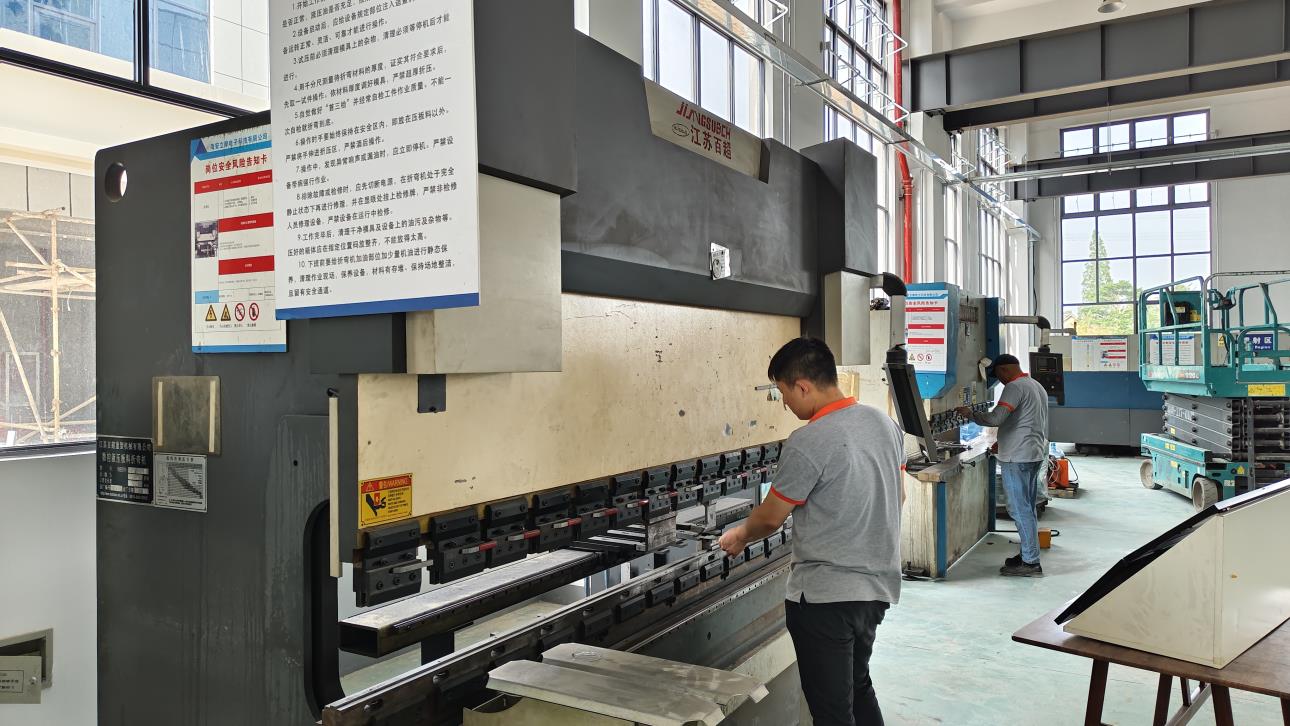
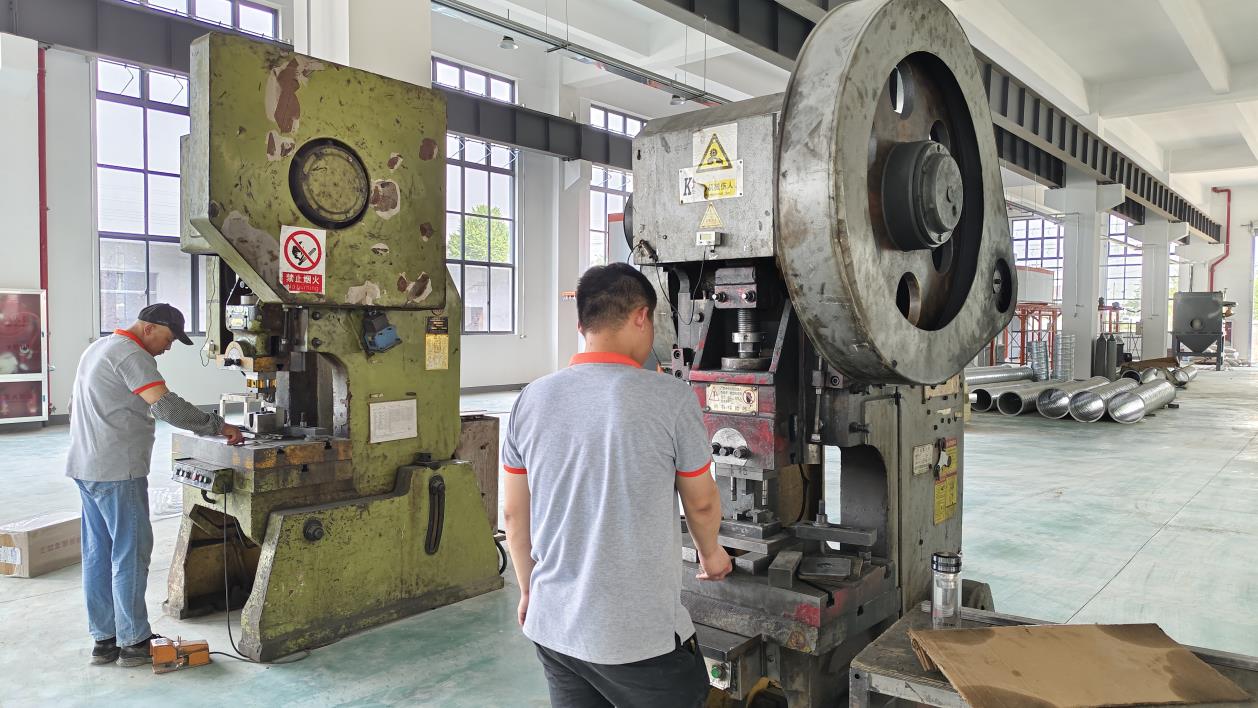
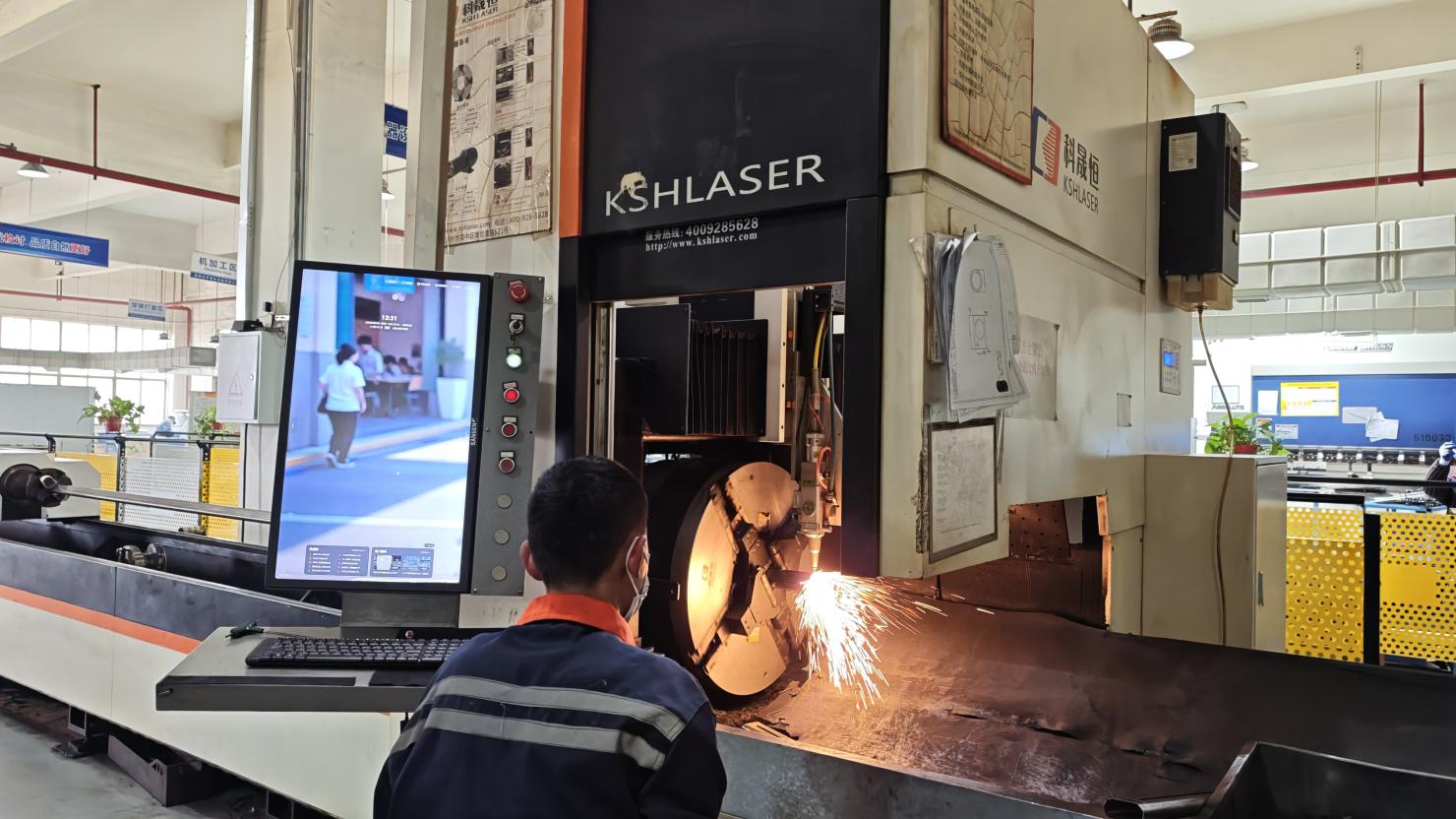
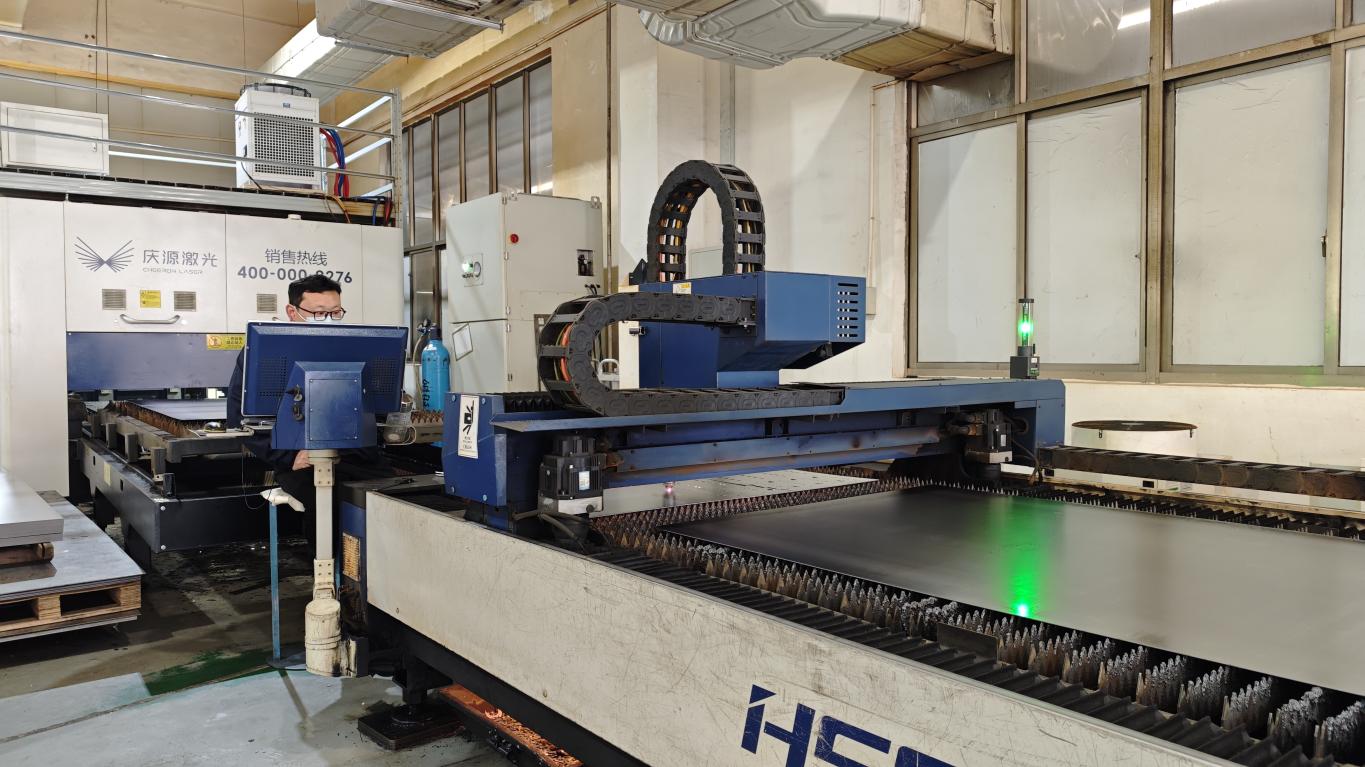
How hardware-software integration, AI diagnostics support, and ergonomic mechanical design are defining the future of hospital mobility.
Future telemedicine carts integrate smart lithium-iron phosphate (LiFePO4) power systems with hot-swappable batteries. This setup enables continuous clinical operations without downtime, supporting power-critical displays, computers, and medical diagnostics.
Integrating 5G modules and localized edge computing terminals directly into mobile patient carts allows high-definition telemetry transmission. This enables remote clinical teams to assist in real-time, helping doctors conduct remote diagnostics with minimal latency.
Using advanced materials with integrated silver-ion antimicrobial coatings prevents cross-contamination. Smooth, chemically resistant surfaces can withstand frequent washdowns with aggressive hospital-grade disinfectants, ensuring optimal sanitation in high-risk zones.
Understanding how custom medical carts and rollators fit into specific clinical workflows across different global markets.
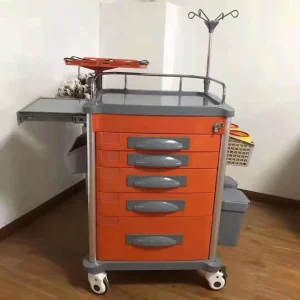
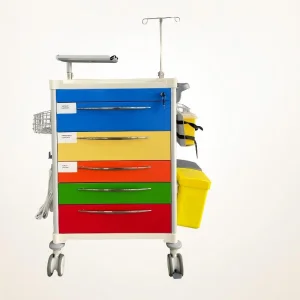
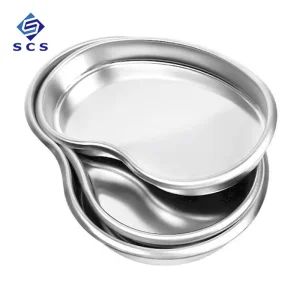
Intensive Care Units (ICU) and Emergency Suites: High-stress clinical environments require immediate access to respiratory and diagnostic systems. In these settings, crash carts and ventilator workstations must hold critical monitors, backup gas supplies, and medication trays securely. Our integrated ICU workstations combine robust steel-aluminum frame engineering with medical-grade casters. This combination ensures stable mobility even when carrying delicate diagnostic equipment over threshold ramps or elevators.
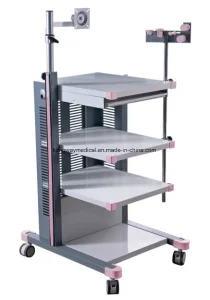
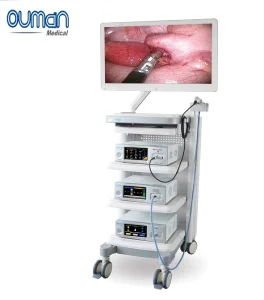
Endoscopy and Surgical Imaging Suites: Modern minimally invasive surgery relies on precise optical systems. Our endoscopy carts are engineered with adjustable shelving, integrated power strips, and custom mounts for camera control units, light sources, and high-definition monitors. These features enable medical teams to position diagnostic interfaces precisely where they are needed, reducing setup times and minimizing clutter in busy operating rooms.
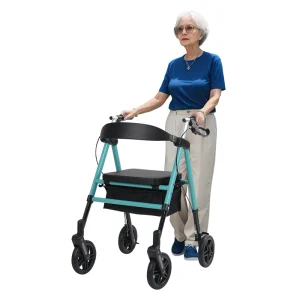
Long-Term Care and Rehabilitation Centers: For geriatric patients and individuals in physical therapy, mobility assistance is key to long-term recovery. Here, products like our adjustable aluminum rollators (DL-7072 and electric assistive models) provide stable support. Engineered with lightweight, high-load aluminum frames and intuitive braking mechanisms, they help patients navigate corridors safely, reducing fall risks and supporting early mobility programs.
Decentralized Rural Telemedicine: In remote regions, mobile workstations function as virtual clinics. Equipped with integrated power sources, storage for diagnostic tools, and mounts for tablets or monitors, these carts enable local nurses to connect patients with remote specialists, helping bridge the gap in rural healthcare access.
Avelar Medical's absolute commitment to international safety standards, mechanical performance, and regulatory approvals.
Exporting medical devices worldwide requires strict compliance with local regulatory frameworks. At Avelar Medical, we design and manufacture our products to meet or exceed these international requirements, ensuring smooth customs clearance and safe deployment in clinical environments.
By conducting regular audits and keeping detailed technical files for all designs, Avelar Medical provides global distributors, hospitals, and sourcing managers with reliable, compliant products they can trust.
Answers to critical questions regarding logistics, customization, materials, and international standards.
We use premium medical-grade ABS (Acrylonitrile Butadiene Styrene) and high-strength aluminum alloys. ABS offers excellent resistance to impact and common chemical cleansers. Structural elements are treated with electrostatic powder coatings that resist scratching and corrosion, ensuring long-term performance under frequent clinical disinfection.
Yes. We offer extensive OEM/ODM support. Our in-house engineering team can modify shelf sizes, mountings, power connections, drawer configurations, and color schemes to integrate seamlessly with your specific diagnostic, anesthesia, or endoscopy systems.
Our products are packaged using multi-layer protection, including custom-cut polyethylene foam blocks, heavy-duty double-wall corrugated cardboard boxes, and reinforced wood frame packaging for heavy workstations. We design our packaging to withstand ocean transit, customs inspections, and warehouse handling.
Standard product configurations typically have a lead time of 25 to 30 days. Custom ODM orders requiring tooling adjustments or custom metal fabrication may take 45 days. Our vertically integrated facility in Huizhou allows us to maintain stable production timelines even during periods of peak demand.
Yes. We use premium medical-grade silent casters that are available in both anti-static (conductive) and non-marking polyurethane versions. They feature dual-pedal brakes to ensure stability when the cart is stationary during patient monitoring or surgical procedures.
Discover our wider range of emergency crash carts, medical workstations, IV stands, and supportive rehabilitation equipment.
 Avelar Medical