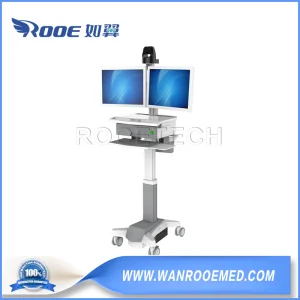
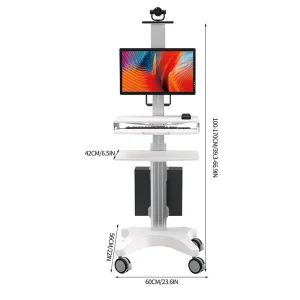
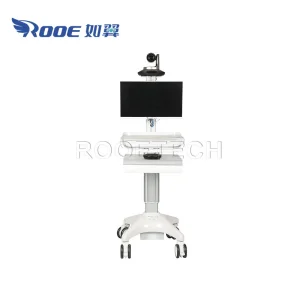
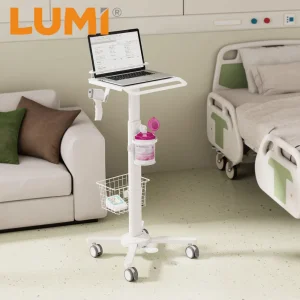
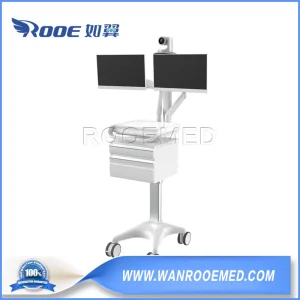
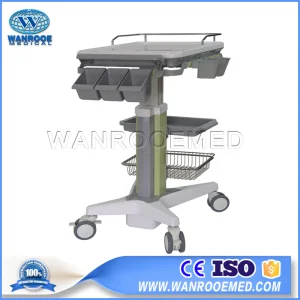
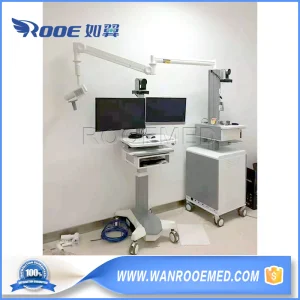
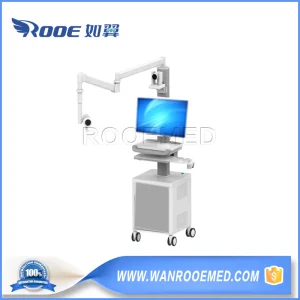
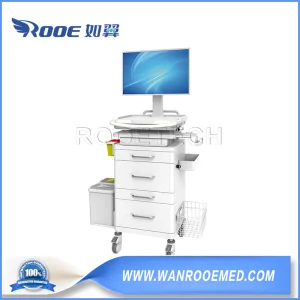
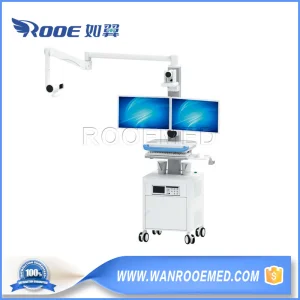
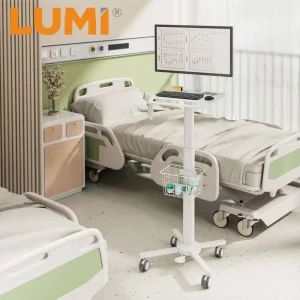
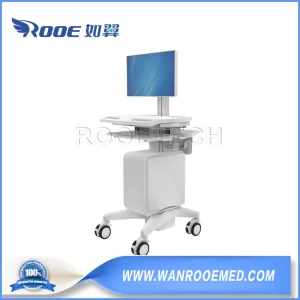
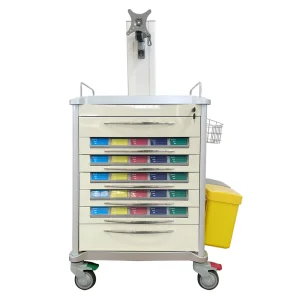
Telemedicine Workstation Factory & Suppliers for the Equatorial Guinea Market

Empowering Clinical Interoperability, Mobile Diagnostics, and Hybrid Healthcare Delivery in Malabo, Bata, and Beyond

Send Inquiry Now
21+
Years of OEM/ODM Manufacturing Experience
100+
National Design & Technology Patents
10,000㎡
State-of-the-Art Production Facility
100+
Exporting Countries & Regions Globally

White Paper: Digital Healthcare Evolution in Equatorial Guinea

Analyzing the intersection of mobile diagnostics, hardware design standards, and localized deployment barriers in Central Africa.

“As Equatorial Guinea builds its National Health Development Strategy, the integration of point-of-care mobile telemedicine workstations bridges the critical clinical gap between remote continental health outposts in Río Muni and advanced specialist hospitals in Malabo and Bata.”

1. Equatorial Guinea's Healthcare Infrastructure and the Imperative for Telemedicine

The unique geography of Equatorial Guinea—divided between the insular region (Bioko Island, Annobón) and the continental mainland (Río Muni)—presents distinct challenges for medical access. While major clinical hubs such as the *Hospital Regional de Malabo* and the *Hospital Regional de Bata* feature advanced diagnostics, peripheral health facilities (Centros de Salud) in districts like Evinayong, Mongomo, and Ebebiyín often struggle with a shortage of on-site medical specialists.

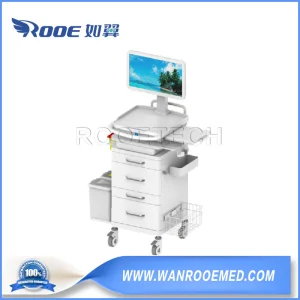
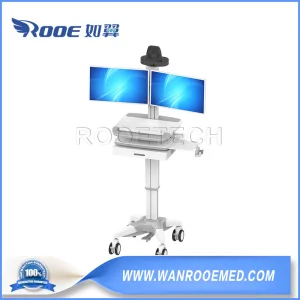
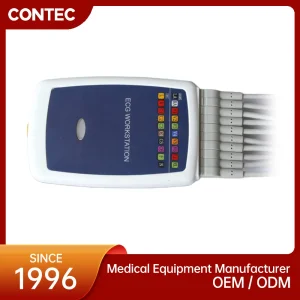
To bridge this divide, the Ministry of Health and Social Welfare (MINSAMS) has increasingly prioritized digital infrastructure. Mobile telemedicine workstations act as critical clinical endpoints. They allow local nurses and general practitioners to transmit real-time high-definition diagnostics, patient vitals, and medical imaging directly to offshore or metropolitan consulting specialists. By integrating advanced telecommunication modules with ergonomic, battery-powered clinical carts, facilities can perform real-time ECG readings, ultrasound scans, and patient record tracking directly at the bedside.

2. Global Context: Structural and Electrical Standards for Clinical Hardware

Deploying hardware in clinical environments requires strict compliance with international medical safety protocols to guarantee both patient and practitioner safety. At Shenzhen Avelar Medical, our manufacturing pipeline is built to align with:

  • IEC 60601-1 Compliance: Ensures electrical safety, insulation, and shock protection for medical electrical equipment.
  • ISO 13485:2016 Certification: Governs our comprehensive quality management system for the design and manufacture of medical devices.
  • Antimicrobial Powder Coatings: Surfaces are treated with advanced silver-ion antibacterial coatings to withstand harsh hospital-grade disinfectants (such as isopropyl alcohol, chlorine, and hydrogen peroxide) and prevent cross-contamination.
  • IPX-Rated Enclosures: Water-resistant engineering protect internal computers, surveillance cameras, and routing switches from liquid spills and high-humidity tropical climates.

3. Technical Challenges & Engineering Adaptations for the Equatorial Guinea Market

Tropical climates with high relative humidity and fluctuating coastal saline environments (such as in Bata and Malabo) require specialized engineering considerations:

  • Battery Systems (LiFePO4 Power Hubs): Reliable operation during localized power brownouts is achieved through integrated Lithium Iron Phosphate (LiFePO4) battery modules. These support over 2,000 charge cycles and provide continuous, uninterruptible power supply (UPS) to host computers and diagnostic monitors for 8 to 12 hours.
  • Advanced Thermal Management: Sealed fanless computer assemblies are integrated to prevent humid, salt-laden air from corroding internal microchips, utilizing passive heat-sink cooling systems.
  • Heavy-Duty All-Terrain Silent Casters: Utilizing medical-grade polyurethane casters with sealed precision bearings. These guarantee smooth, low-effort movement across varied floor types, including threshold transitions and textured clinical tiling.

Who We Are

Shenzhen Avelar Medical Co., Ltd. - A Trusted Pioneer in Medical Infrastructure Solutions

Shenzhen Avelar Medical Co., Ltd. was founded in 2003 and has accumulated over 21 years of rich experience in the medical technology industry. Headquartered in Pingshan, Shenzhen, with a state-of-the-art production facility in Huizhou, the company spans a total area of 10,000 square meters. As a leading national high-tech enterprise, Avelar Medical integrates cutting-edge research and development, innovative design, and high-efficiency manufacturing to deliver superior medical and healthcare solutions.

With a team of over 100 highly skilled engineers and technical professionals, and more than 200 advanced manufacturing units, Avelar Medical is committed to pushing the boundaries of technological advancements in the medical field. The company has secured more than 100 national patents, demonstrating our continuous focus on innovation.
Shenzhen Avelar Medical Co. Headquarters
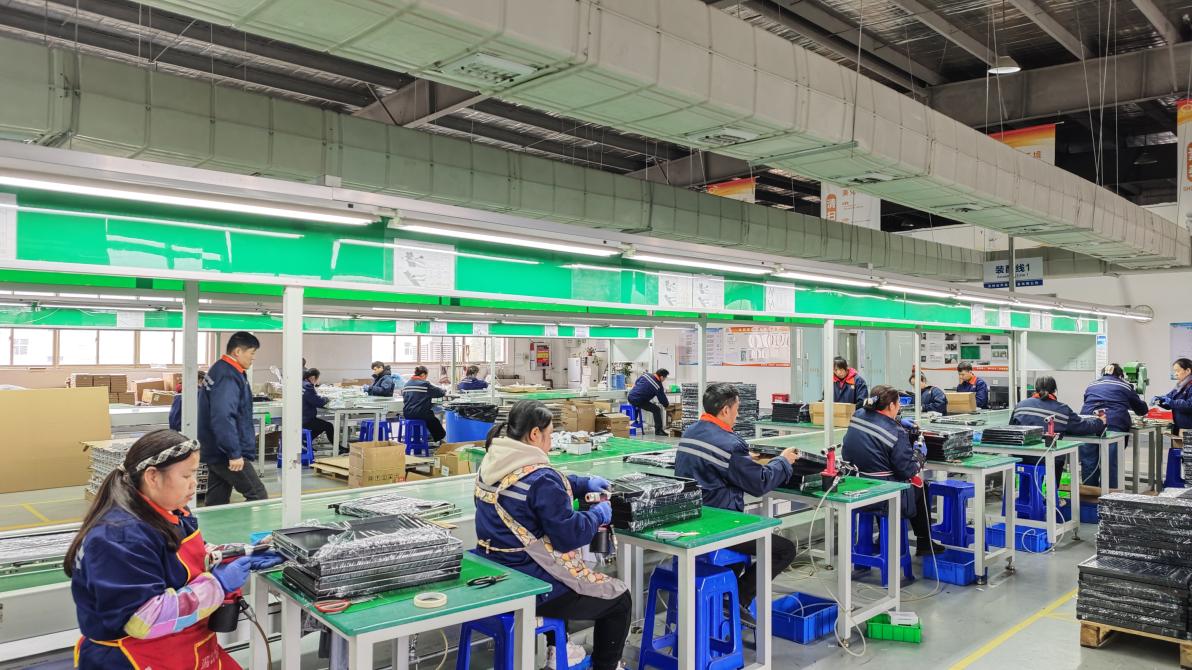
Avelar Medical Advanced Manufacturing Facility

Avelar Medical specializes in a broad range of products, including medical equipment installation solutions, intelligent mobile medical devices, assistive technology for residual life support, healthcare products for the bathroom, and more. We work closely with top-tier hospitals and healthcare institutions around the world, providing them with products designed to improve patient care, enhance operational efficiency, and optimize the healthcare environment. Our solutions have reached more than 100 countries and regions, including North America, Europe, the Middle East, and Asia.

At Shenzhen Avelar Medical, our business philosophy revolves around two core principles: “Quality First” and “Customer First.” This commitment to excellence has earned us the trust of our domestic and international clients. Our innovative products, combined with exceptional service and reliable after-sales support, allow us to meet the ever-evolving needs of the global healthcare market.

Our Precision Manufacturing Journey

How we control quality from raw sheets to certified surgical-grade medical trolley workstations.
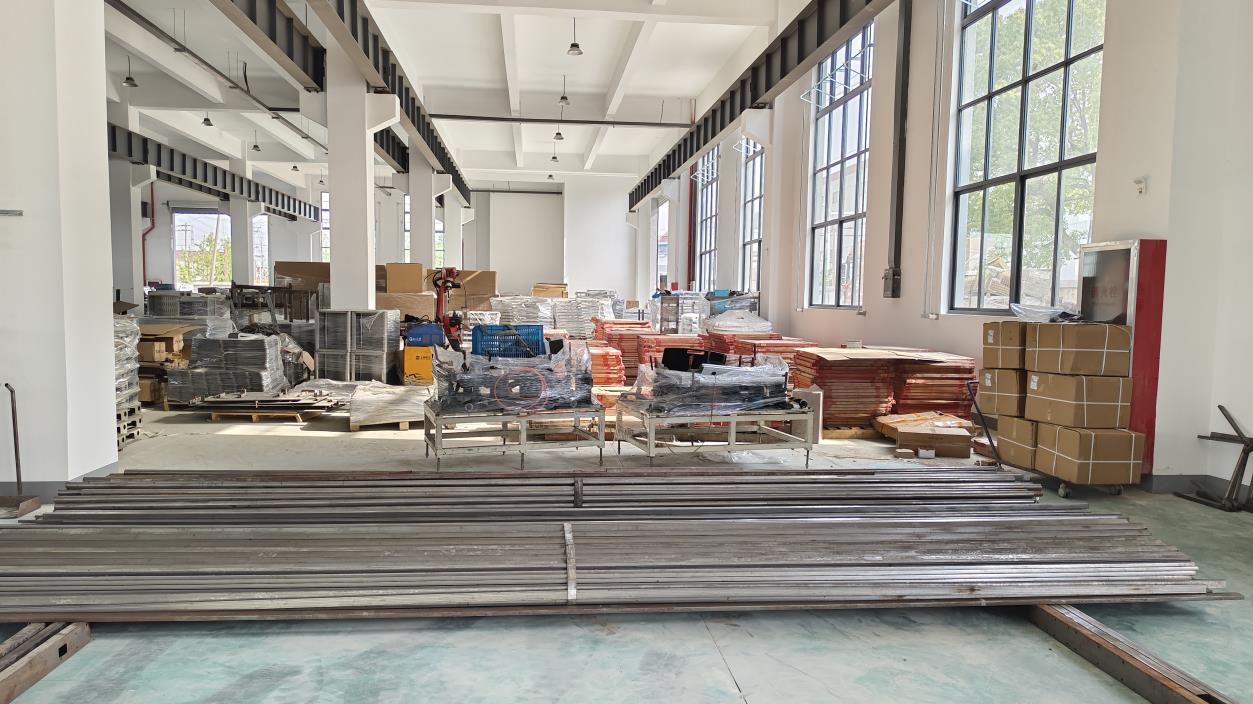
Raw Material Inspection
Raw Material
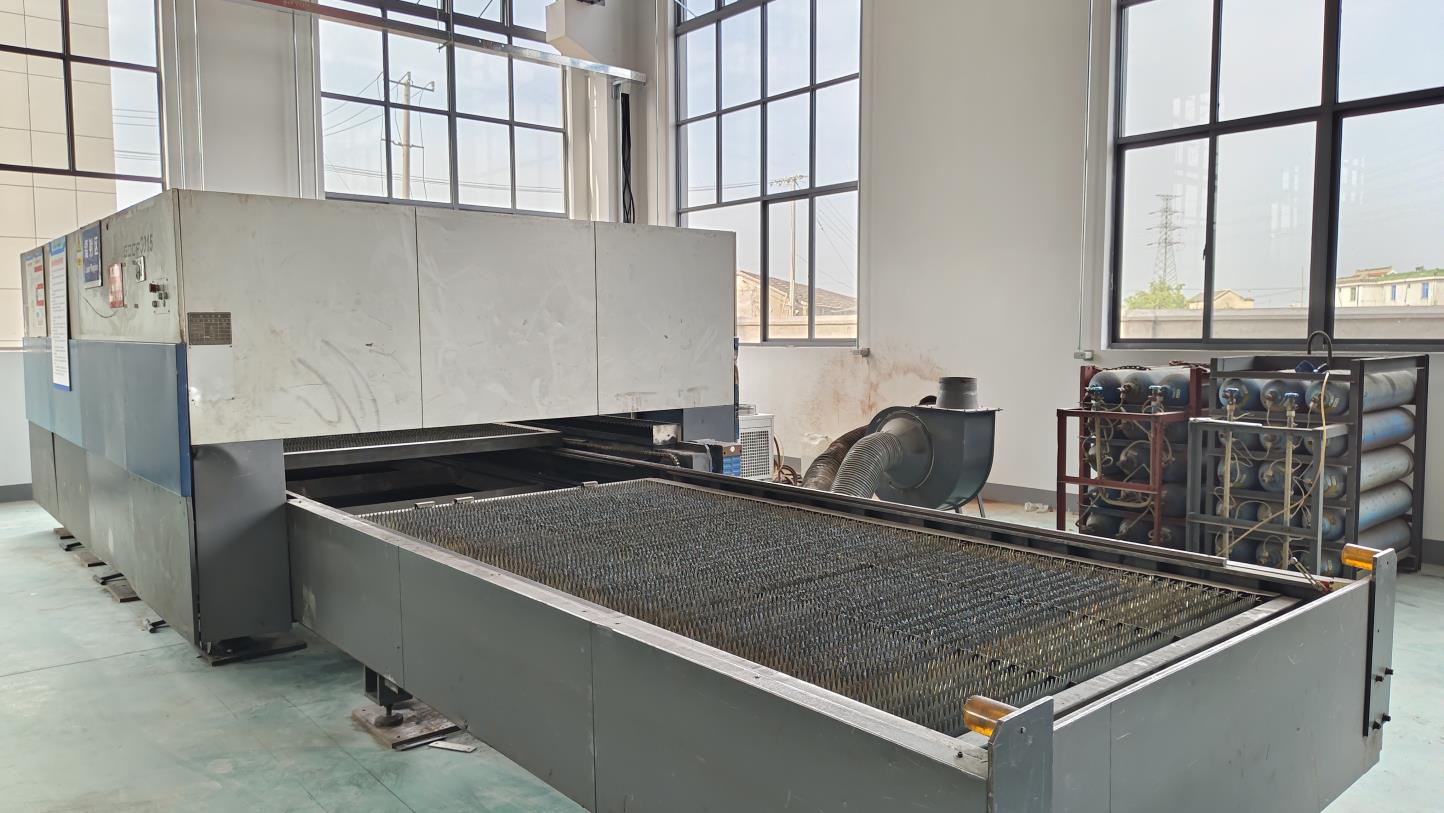
Laser Cutting
Laser Cutting
Shearing
Shearing
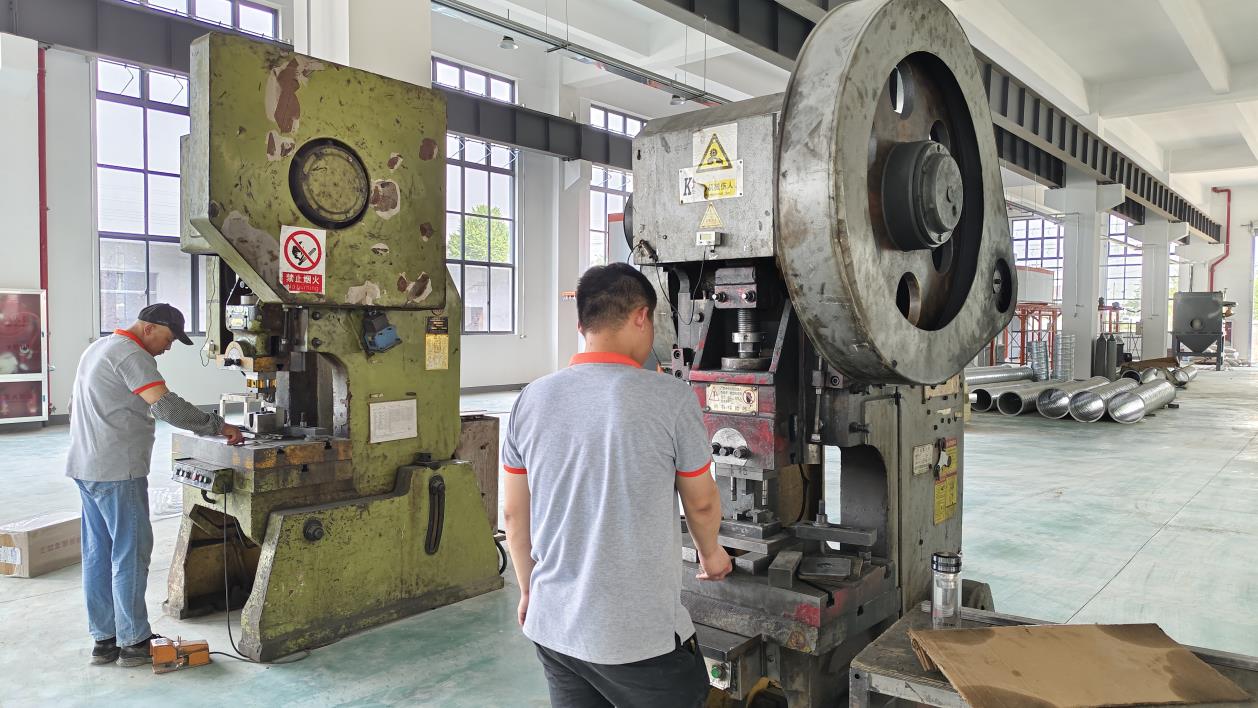
Punching
Punching
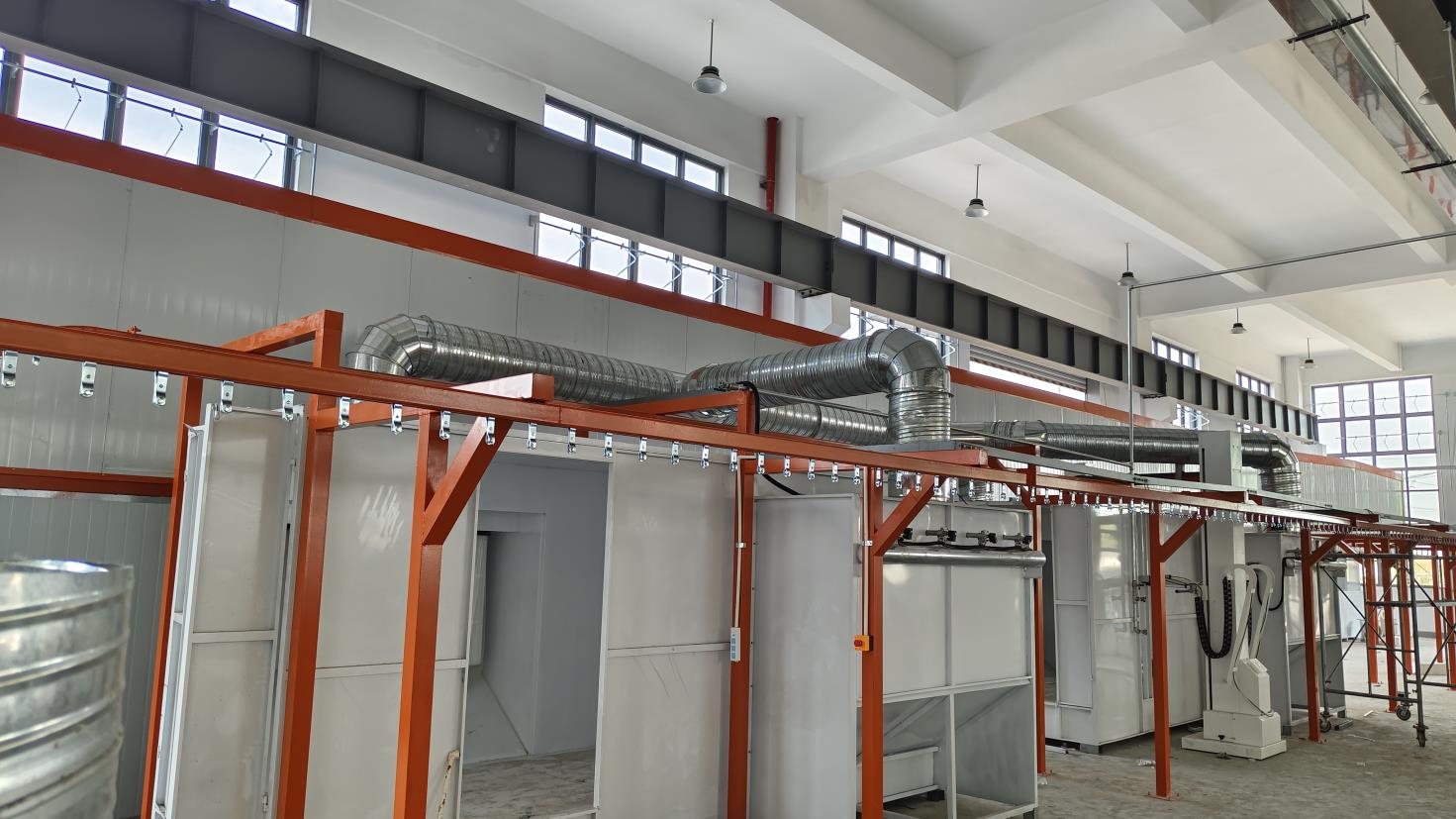
Spray Painting
Spray Painting
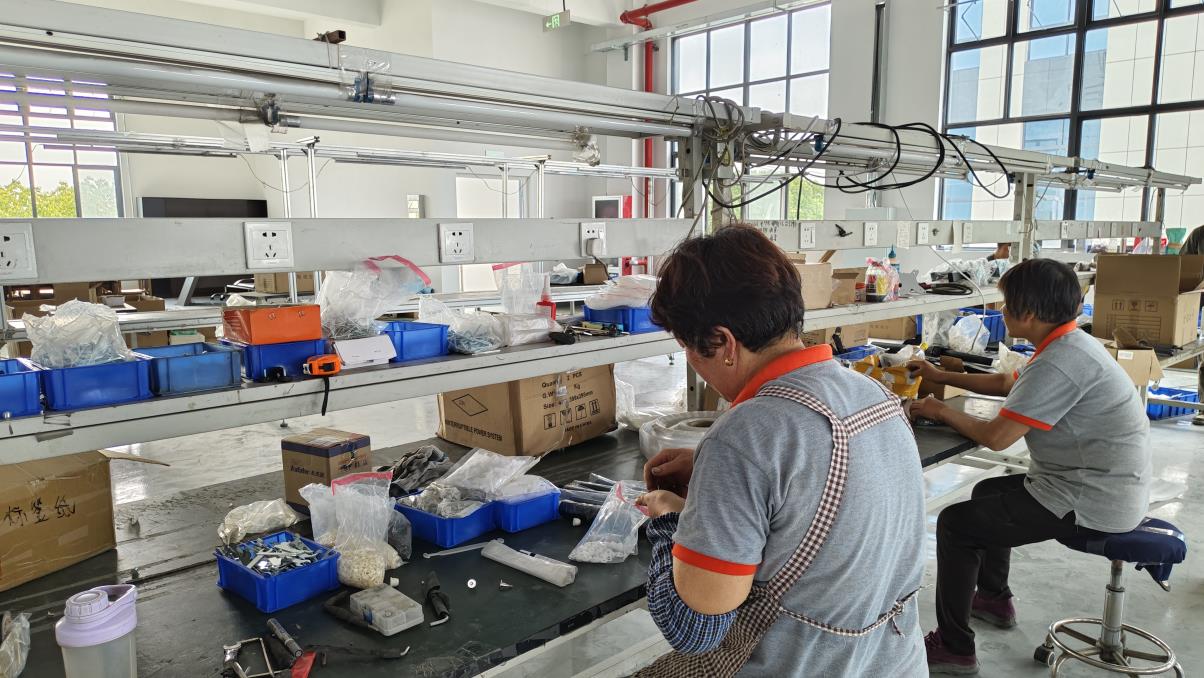
Assembling
Assembling
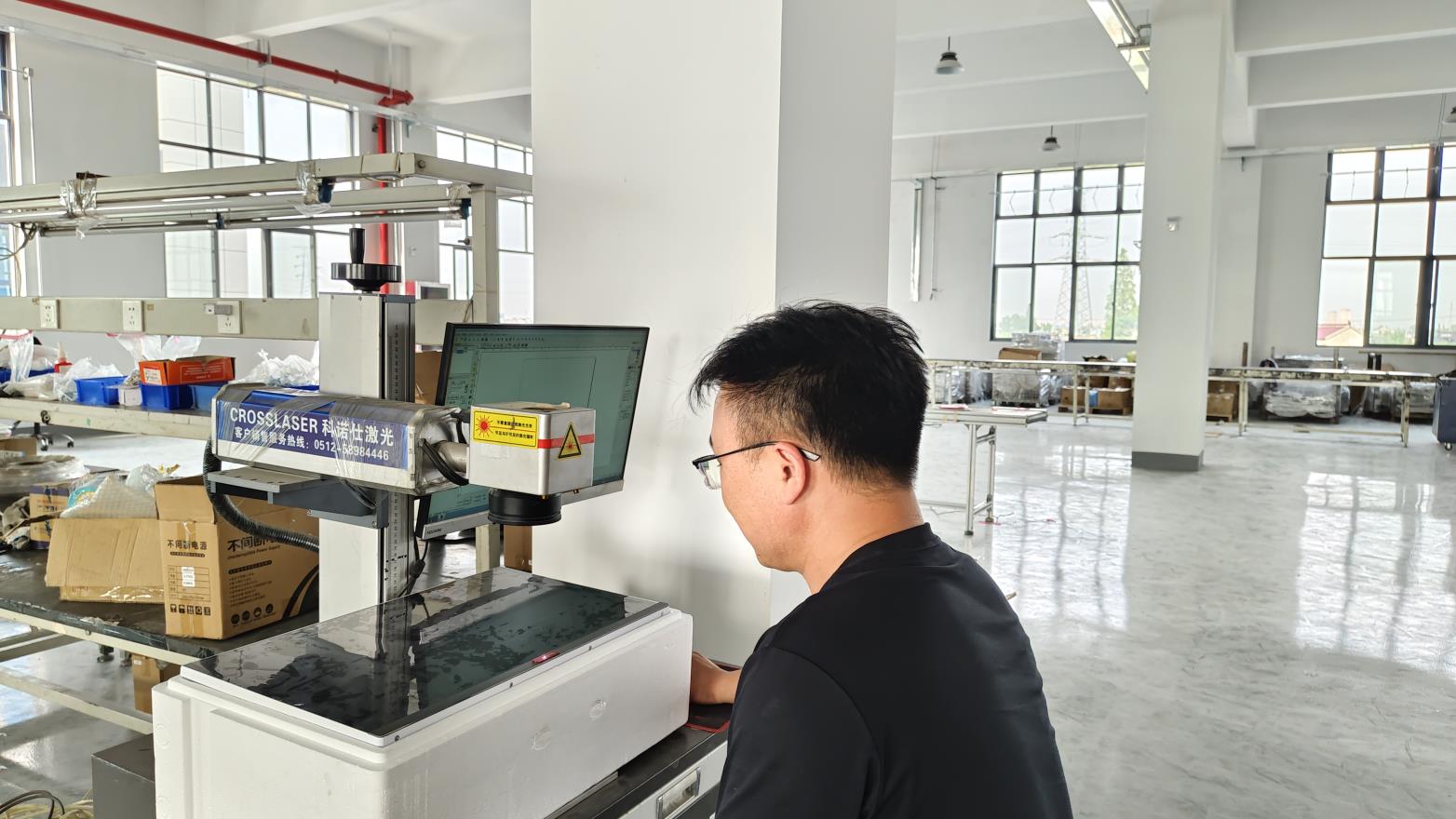
Laser Marking
Laser Marking
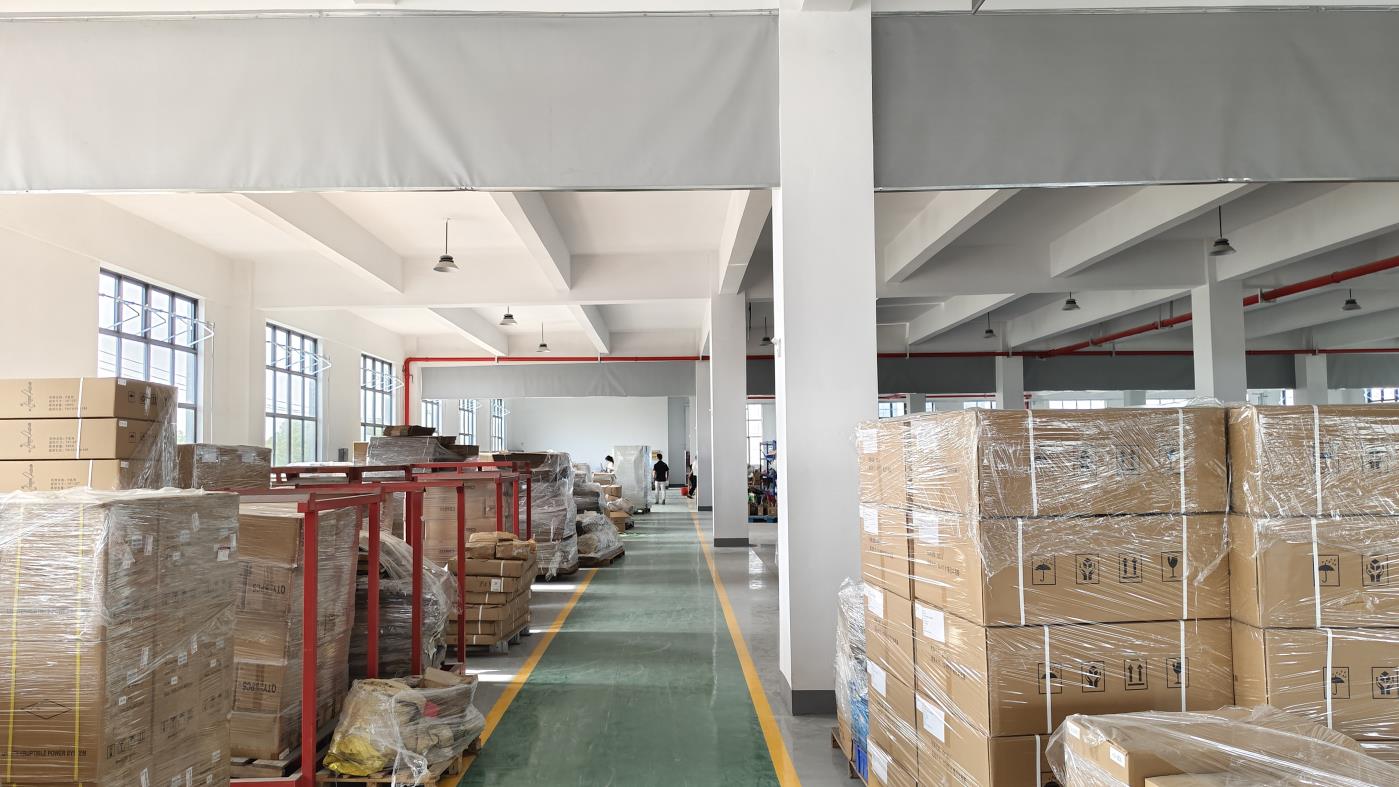
Packaging
Packaging
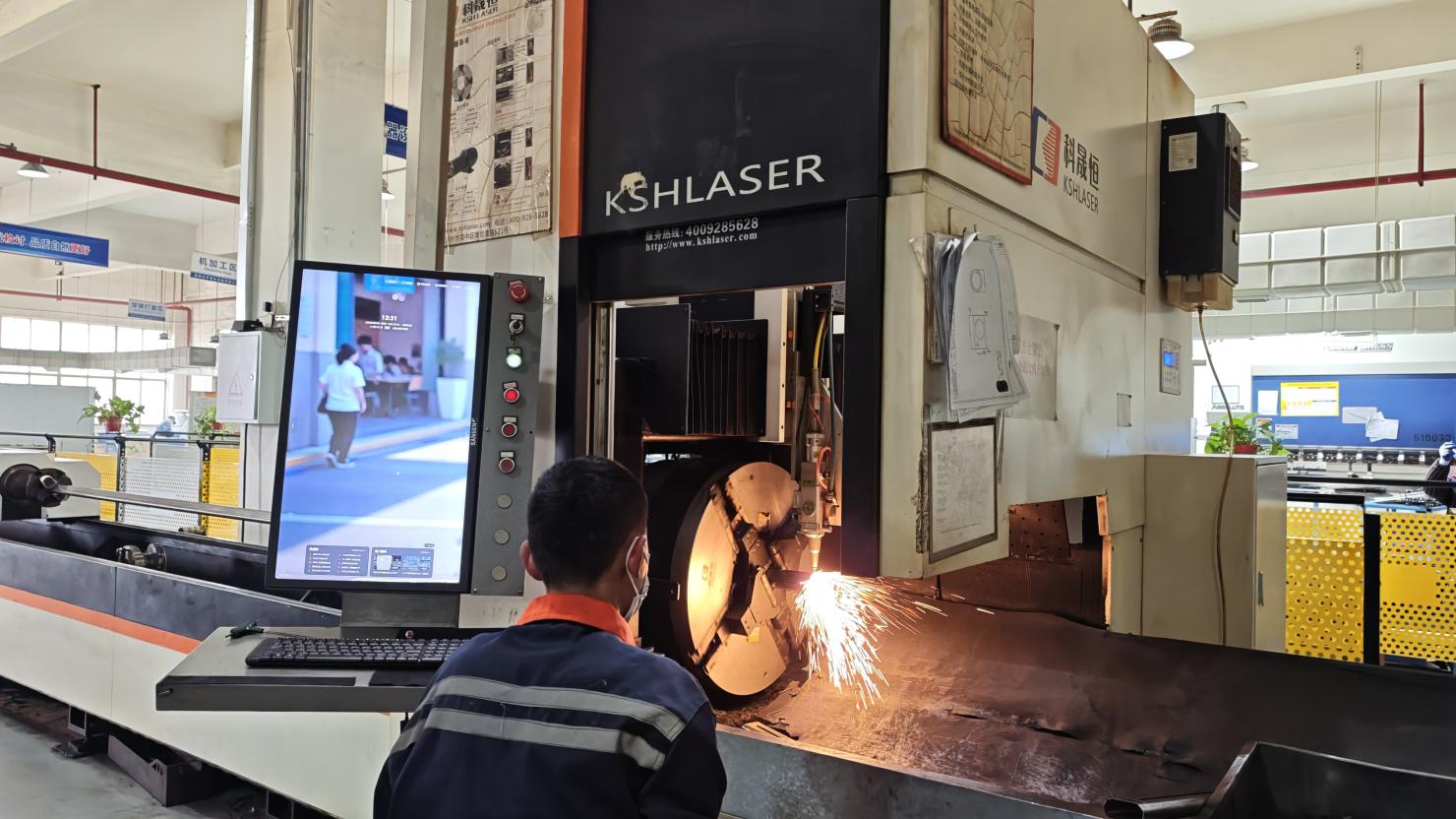
Tube Cutting
Tube Cutting
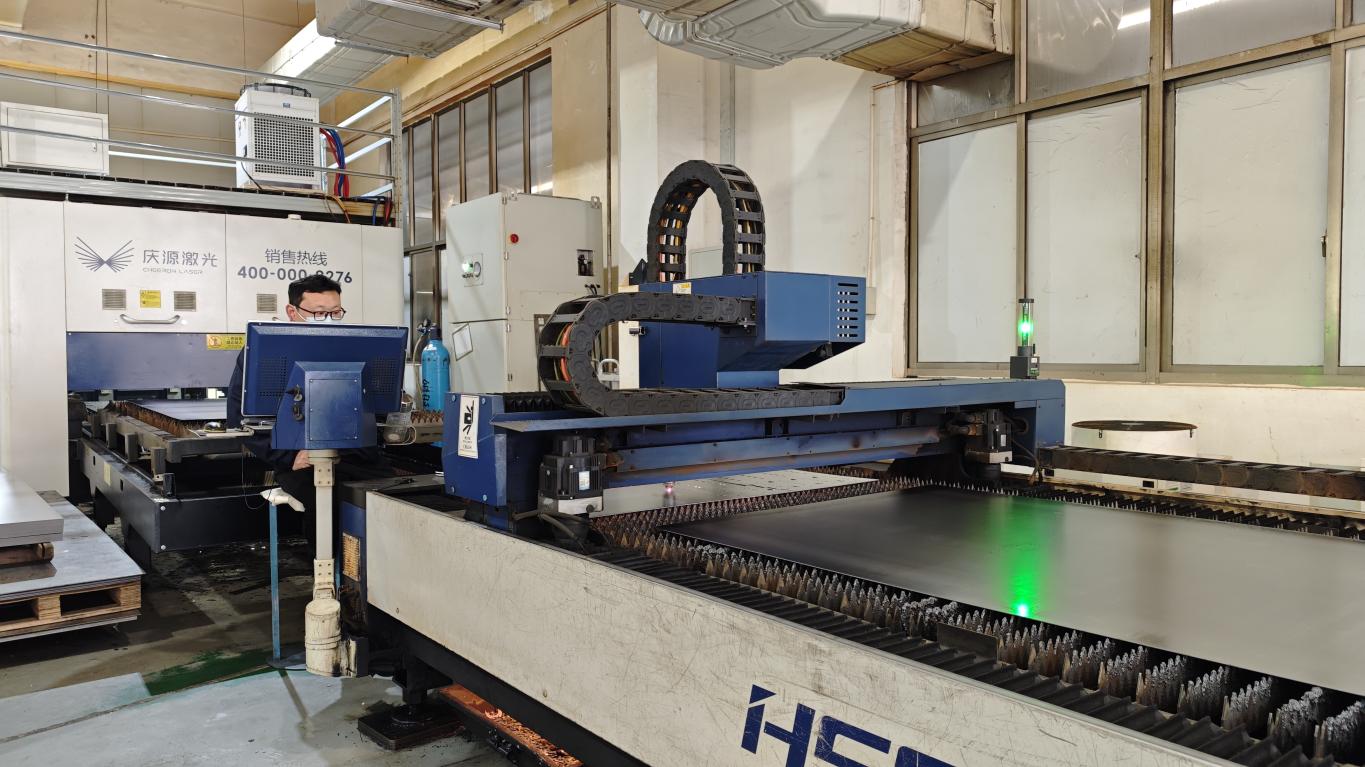
Plate Cutting
Plate Cutting
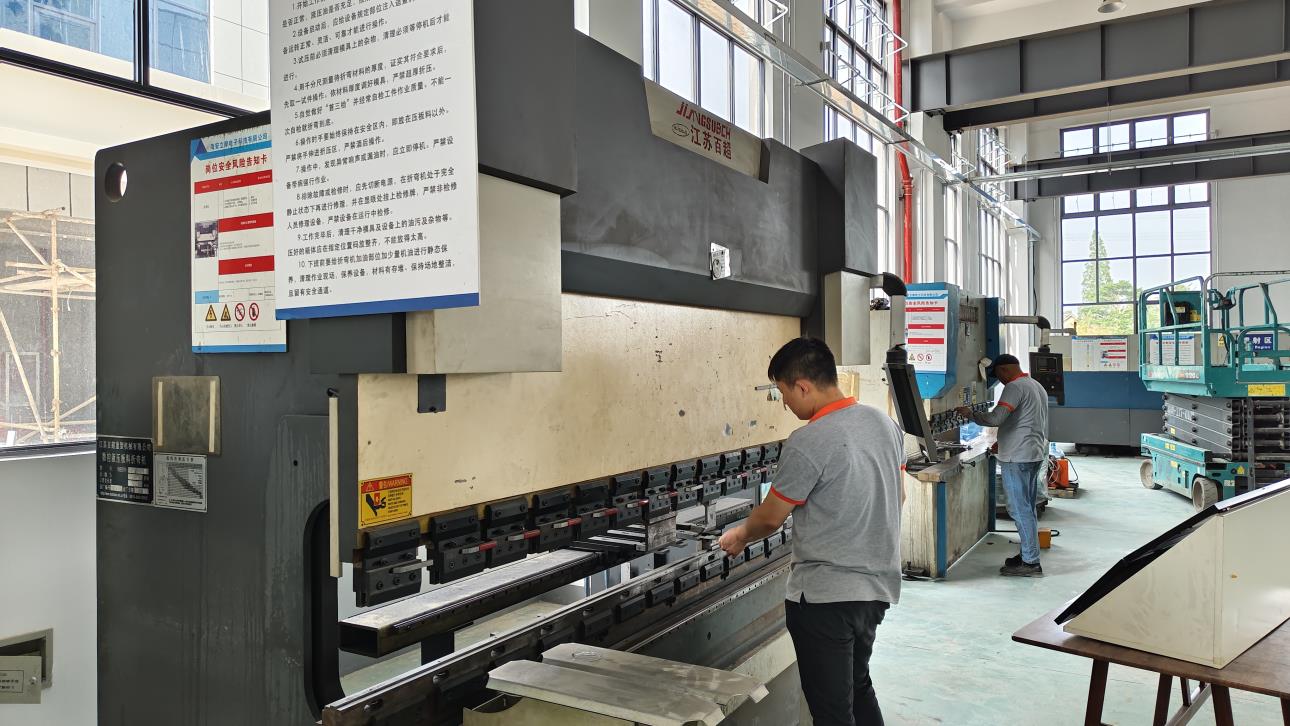
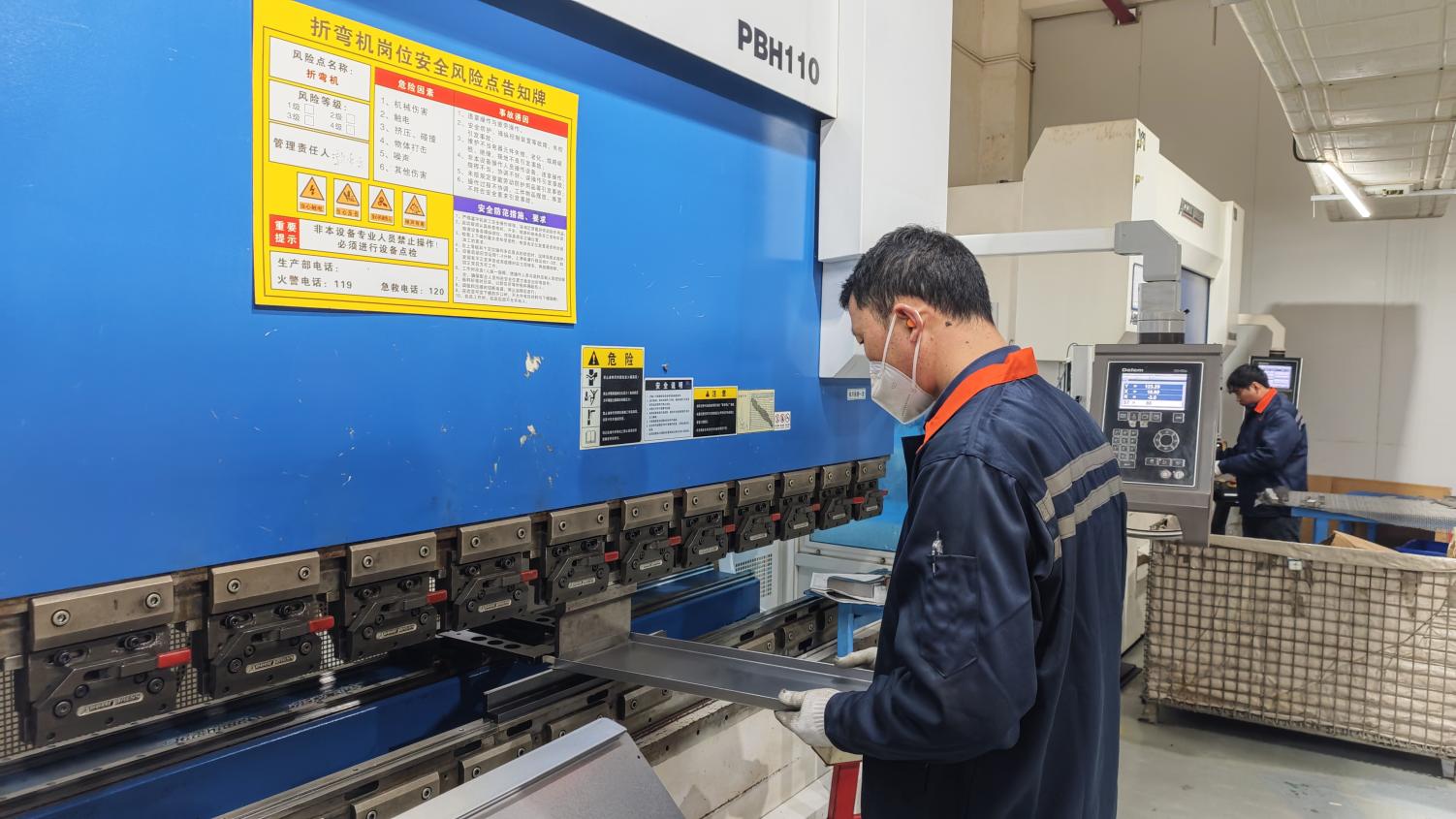
Bending
Bending
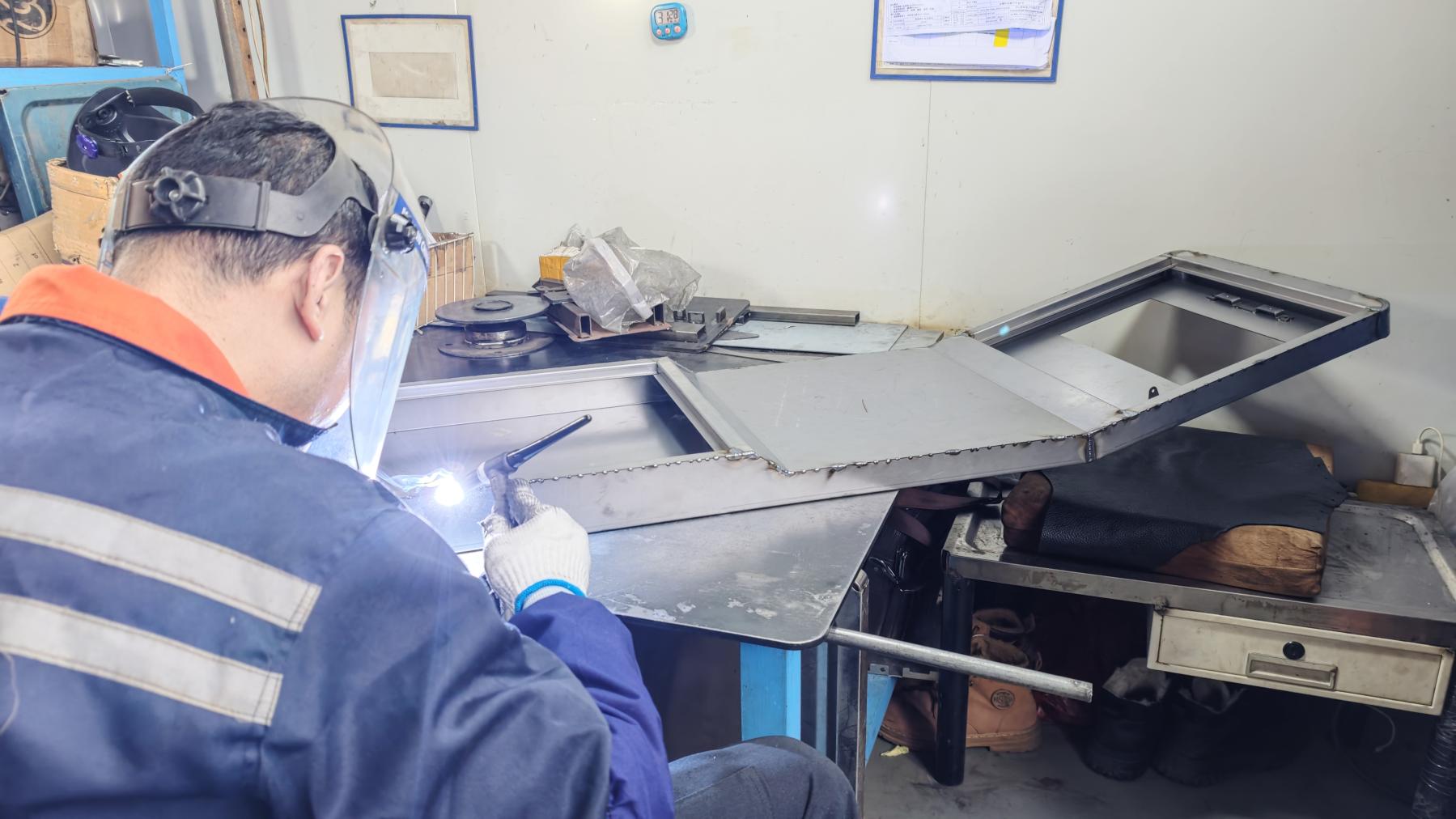
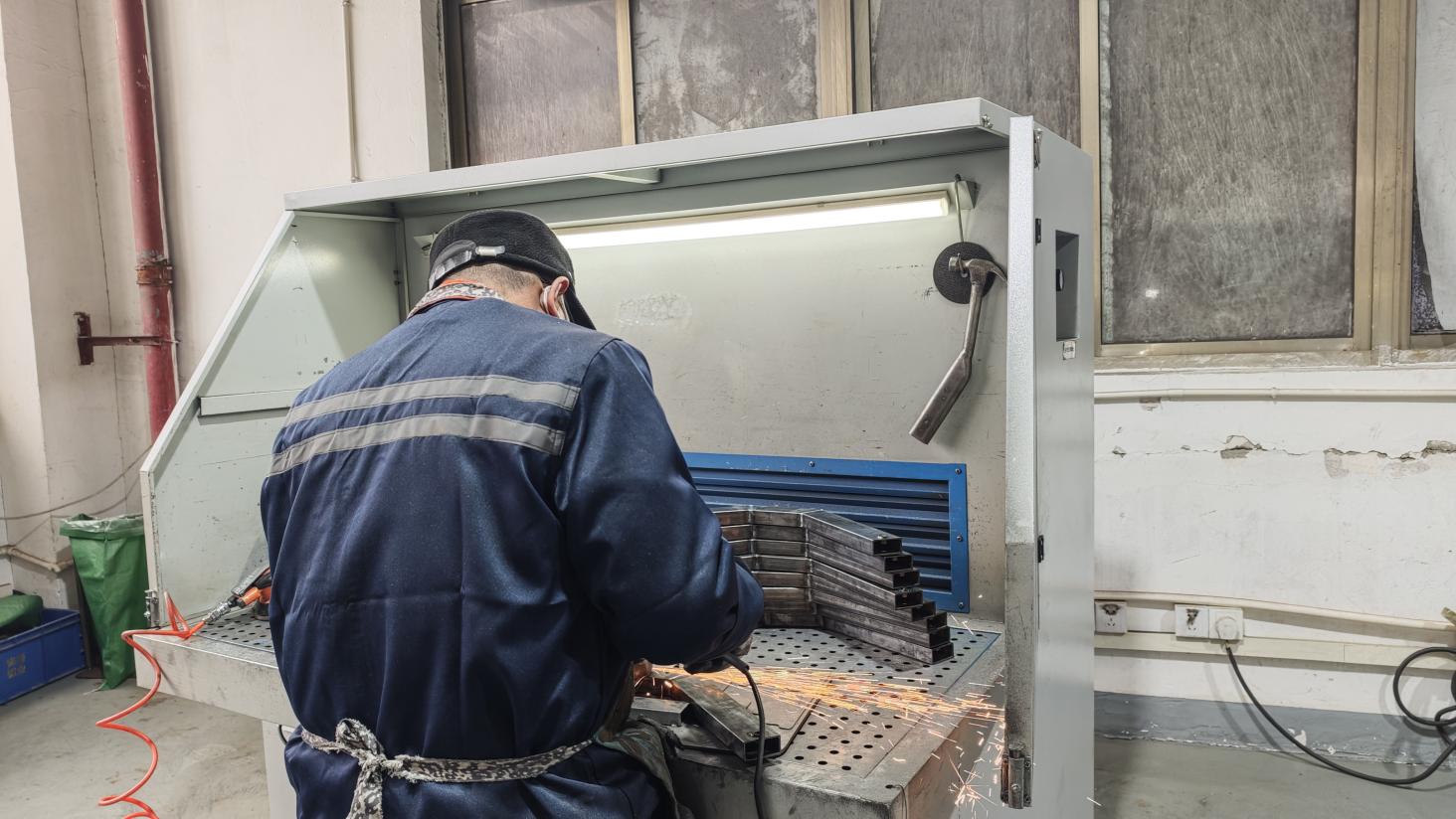
Welding
Welding
Polishing
Polishing
Assembling Phase 2
Assembling Phase II

Need Customized Medical Trolleys for Equatorial Guinea Hospitals?

We supply custom colors, specialized monitor configurations, custom power outputs, and localized shipping arrangements to Malabo Port and Bata Port.

Request Technical Proposal & Catalog

Expert Q&A: Telemedicine Hardware Deployment

Essential guidance on importing, customizing, and maintaining clinical workstations in Central Africa.

Q1: What are the shipping lead times and port logistics for Equatorial Guinea?
For shipments to Equatorial Guinea, we coordinate maritime transit directly from Shenzhen/Guangzhou ports to Malabo Port (Bioko Island) or Bata Port (mainland). Typical ocean freight transit times average 35 to 45 days. All products are crated using export-grade, moisture-proof, and anti-vibration packaging to prevent damage during long-distance oceanic freight.
Q2: How do your medical workstations handle local voltage fluctuations in Río Muni?
Our premium models come integrated with high-capacity Lithium Iron Phosphate (LiFePO4) battery systems and smart power managers. They support 110V-240V AC dual-voltage inputs with built-in surge isolation, protecting sensitive medical computing screens and diagnostic accessories from voltage spikes common in regional hospital networks.
Q3: Can we customize the mounting arms to support localized diagnostic devices?
Yes, as an OEM/ODM factory, we provide customized mounting brackets for various diagnostic tools (e.g., portable ECGs, ultrasound transducers, diagnostic cameras, and medical monitors). We utilize standard VESA mounting points and can engineer custom brackets based on your equipment specifications.
Q4: Are the workstations resistant to high-humidity tropical coastal air?
Absolutely. The metal structure of our carts is treated with an multi-layer anti-corrosion system, including precision electro-galvanization followed by an antimicrobial powder coat. Critical connection components are made of high-quality stainless steel or medical-grade ABS materials to prevent rust and degradation in humid coastal conditions like Malabo or Bata.
Q5: What certifications do Shenzhen Avelar Medical products hold?
Our production facilities operate strictly under ISO 13485 (Medical Devices Quality Management Systems). Our telemedicine trolleys comply with IEC 60601-1 standards for medical electrical safety and electromagnetic compatibility, ensuring safe operation within surgical, ICU, and clinical diagnostic environments.
Q6: What is your minimum order quantity (MOQ) for custom procurement?
For standard telemedicine workstations, our MOQ is 1 unit. For custom color schemes, specialized electronic configurations, or bespoke frame modifications, our project engineers will evaluate requirements, with custom MOQs typically starting at 5 to 10 units.

Contact Avelar Medical Today

Get in touch with our engineering team for customized drawings, quotations, and container freight rates to Equatorial Guinea.

Send Inquiry Now