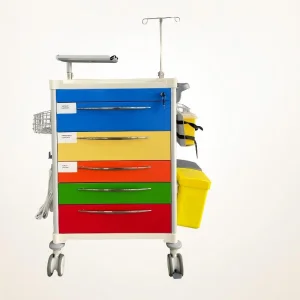
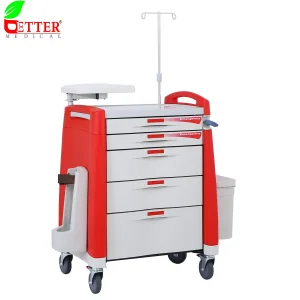
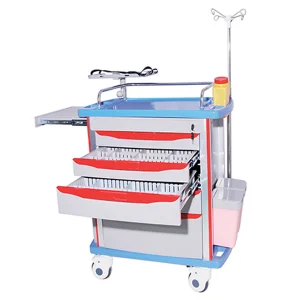
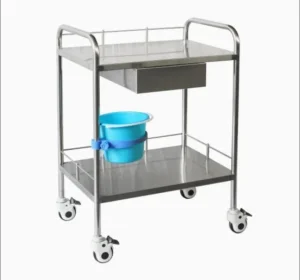
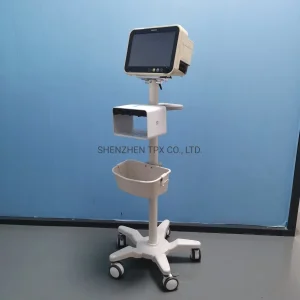
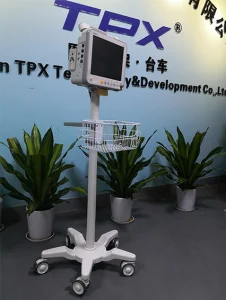
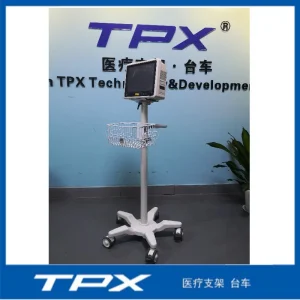
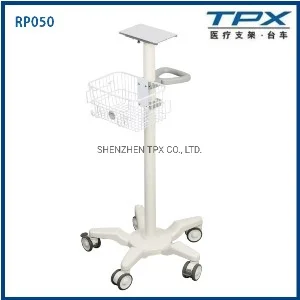
Shenzhen Avelar Medical Co., Ltd. was founded in 2003 and has accumulated over 21 years of rich experience in the medical technology industry. Headquartered in Pingshan, Shenzhen, with a state-of-the-art production facility in Huizhou, the company spans a total area of 10,000 square meters. As a leading national high-tech enterprise, Avelar Medical integrates cutting-edge research and development, innovative design, and high-efficiency manufacturing to deliver superior medical and healthcare solutions.
With a team of over 100 highly skilled engineers and technical professionals, and more than 200 advanced manufacturing units, Avelar Medical is committed to pushing the boundaries of technological advancements in the medical field. The company has secured more than 100 national patents, demonstrating our continuous focus on innovation.
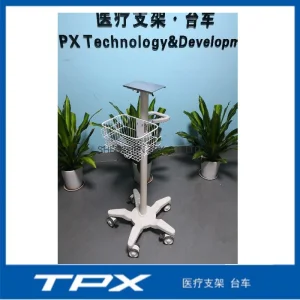
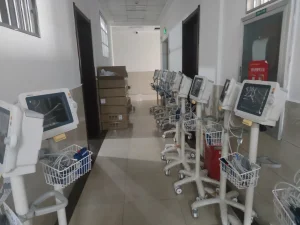
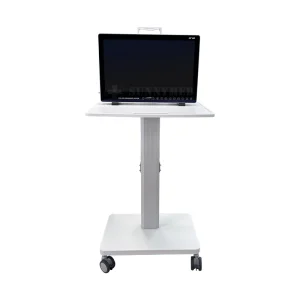
The global rescue equipment and medical trolley market is currently undergoing a radical transformation. With the increasing pressure on healthcare systems worldwide due to aging populations and the rising frequency of emergency medical situations, the demand for high-quality, reliable, and ergonomic rescue equipment has never been higher. Today, hospital furniture is no longer just "storage on wheels"; it is an integral part of life-saving workflows. Modern medical facilities in North America, Europe, and Asia are shifting toward integrated mobile workstations that can support complex electronic health record (EHR) systems, specialized medication dispensing, and advanced monitoring.
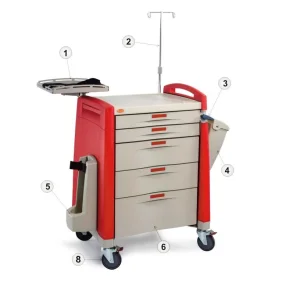
In this high-stakes environment, professional rescue equipment manufacturers are expected to deliver more than just products. They are expected to deliver operational efficiency. High-tech hospitals now require equipment that minimizes the time between patient arrival and treatment, which is why the design of crash carts and emergency trolleys has become a science of ergonomics and accessibility.
Emergency medical services (EMS) are expanding globally, driving a CAGR of over 6% in the rescue equipment sector, especially in emerging markets.
International standards like ISO 13485 and CE certifications are now mandatory baselines for any manufacturer aiming for global procurement.
The shift from heavy steel to lightweight ABS plastics and Carbon Fiber is revolutionizing the mobility of emergency equipment.
As we look toward the next decade, several key trends are defining the rescue equipment industry. Intelligent Connectivity is at the forefront. Future medical trolleys will be "smart," featuring integrated power systems to support continuous monitoring and real-time data transmission back to the hospital's central command. This allows for a "Hospital Without Walls" approach where emergency care starts the moment a patient is reached.
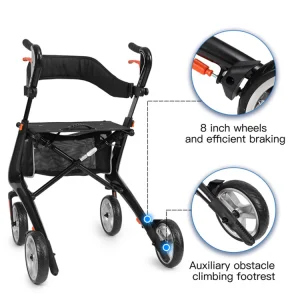
Furthermore, Hybrid Material Science is allowing for the production of equipment that is both incredibly durable and exceptionally light. Our use of carbon fiber in rehabilitation equipment, for example, caters to the need for high weight capacity (110kg+) without sacrificing the ease of movement required by elderly users or medical staff. Sanitation and infection control also drive trends, leading to the use of antimicrobial plastics and seamless designs that are easy to sterilize in high-risk environments.
Global procurement officers from large hospital chains, NGOs, and government health departments prioritize Supply Chain Reliability and Product Versatility. In localized scenarios, the requirements vary significantly:
Avelar Medical specializes in meeting these diverse needs. Our products, reaching more than 100 countries, are designed with these specific localized pressures in mind, ensuring that whether a trolley is in a state-of-the-art facility in North America or a rural clinic in the Middle East, it performs flawlessly.
With 10,000 SQM and 200+ manufacturing units, we offer high-volume production with a speed-to-market that few global competitors can match.
Being in the "Silicon Valley of Hardware" allows us to integrate the latest tech into medical devices faster and more cost-effectively.
From medical equipment installation solutions to intelligent assistive technology, we provide OEM/ODM services tailored to specific regional health standards.
At Shenzhen Avelar Medical, our business philosophy revolves around two core principles: “Quality First” and “Customer First.” This commitment to excellence has earned us the trust of our domestic and international clients. Our innovative products, combined with exceptional service and reliable after-sales support, allow us to meet the ever-evolving needs of the global healthcare market.
As we look to the future, Avelar Medical remains dedicated to continuous growth, investment in research and development, and the creation of cutting-edge medical solutions. We are committed to improving healthcare outcomes, fostering a healthier future for communities worldwide, and making a lasting impact on the global healthcare industry.
 Avelar Medical