Selecting the right bedside rail for home mattresses is crucial for safety and comfort. With falls being a significant concern, especially among the elderly, having a reliable bedside rail is essential. According to the Centers for Disease Control and Prevention (CDC), falls account for over 36 million injuries among older adults each year. This highlights the importance of choosing the appropriate bedside rail to prevent accidents.
When considering "How to select a bedside rail that fits home mattresses?", several factors should come into play. The dimensions of your mattress, the rail's adjustability, and the material used are all pivotal aspects. Research shows that many users often overlook these details, leading to suboptimal safety outcomes. An ill-fitted rail can cause more harm than good, leaving individuals feeling insecure while in bed.
Many people also fail to consider the bed's height and mattress thickness. A bedside rail that does not match these dimensions can hinder accessibility rather than enhance it. Understanding your specific needs and the specifications of your mattress is vital. When it comes to safety, every detail counts.
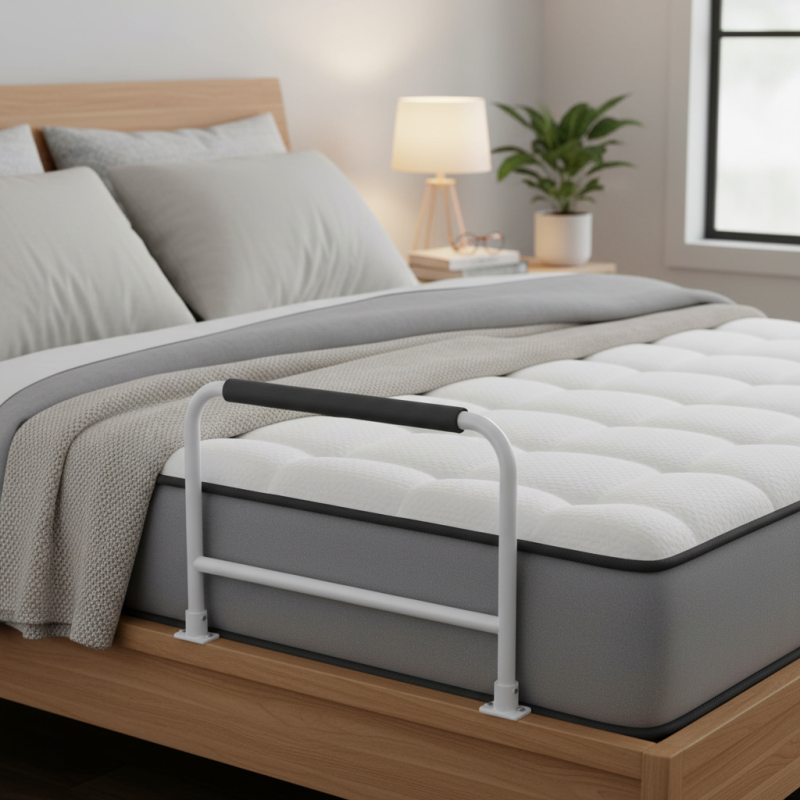
Bedside rails can significantly enhance home safety, especially for the elderly or those with mobility challenges. They create a physical barrier to prevent falls during the night. These simple devices offer reassurance and enable users to feel more secure in their own beds.
A good bedside rail should be sturdy and adjustable. The right height can make a big difference. When evaluating your options, consider how the rail will fit your mattress height. Look for rails that are easy to install and remove. Having a non-slip surface is essential, too. It provides additional support when getting in and out of bed.
Don’t overlook the importance of space. Ensure there’s enough room for movement between the rail and the bed. Some rails may take up too much space or obstruct other furniture. Remember that safety features can vary. You may need to assess which design best suits your specific needs. Personal comfort is just as important as functionality in creating a safe sleeping environment.
| Tip Number | Tip | Importance | Considerations |
|---|---|---|---|
| 1 | Measure Mattress Size | Ensures a proper fit | Check length and height |
| 2 | Select Adjustable Rails | Accommodates various bed heights | Ensure easy adjustment |
| 3 | Choose Safe Materials | For user's health and safety | Look for non-toxic options |
| 4 | Check Weight Capacity | Ensures stability | Compare against user weight |
| 5 | Look for Locking Mechanisms | Prevents accidental movement | Easy to operate |
| 6 | Evaluate Height | Aids in getting in and out of bed | Ensure user comfort |
| 7 | Consider Installation Ease | Facilitates quick setup | Minimize tools needed |
| 8 | Evaluate Design | Enhances bedroom aesthetics | Fit with decor |
| 9 | Read Reviews | Provides real user insights | Focus on quality and safety |
| 10 | Check Warranty | Protects against defects | Ensure coverage period |
: Bedside rails help prevent falls during the night, especially for the elderly or those with mobility challenges.
A sturdy, adjustable rail that fits your mattress height is essential for safety and comfort.
Ensure there’s enough room between the rail and the bed for safe movement. Too much bulk can hinder mobility.
There are foldable, adjustable, and fixed bedside rails, each suited for different needs and preferences.
Adjustable rails offer height variations, accommodating various mattress styles and improving user comfort.
Look for ergonomic grips, non-slip surfaces, and pockets for personal items to enhance usability.
Some rails require tools for installation. Always check the compatibility with your bed frame and mattress.
Reflect on whether extra support or a simple barrier is required to determine the best option for you.
Yes, personal comfort is just as important as functionality for creating a safe and pleasant sleeping environment.
Failing to assess compatibility may lead to instability and compromise safety. Always review this before making a choice.
Choosing the right bedside rail for home mattresses is crucial for ensuring safety, particularly for those who may be at risk of falling during the night. Understanding the importance of bedside rails helps users recognize their role in enhancing stability and providing peace of mind. This article outlines how to select a bedside rail that fits home mattresses by identifying different types available and their specific features, allowing users to make informed decisions based on their needs.
When assessing a bedside rail, it's essential to evaluate its size and compatibility with your mattress, as well as the material's durability and ease of cleaning. Additionally, considering the user’s requirements—including the need for stability, adjustability, and safety features—will help ensure the chosen bedside rail effectively meets their needs.

 Avelar Medical