Top 10 Tips to Help Seniors Transition from Cane to Walker?

Time:2026-06-16 Author:Mason
0%

Transitioning from a cane to a walker can be a significant change for seniors. According to a report by the National Institute on Aging, nearly 65% of older adults face mobility challenges. This statistic highlights the vital need for effective strategies in assisting this population. One expert in mobility solutions, Dr. Emily Carter, states, "Understanding the emotional and physical needs of seniors is essential in this transition."

How to help seniors transition from a cane to a walker? This question captures the attention of many caregivers and family members. The process requires patience and education to ensure safety and comfort. It’s not just about the physical change; there are emotional hurdles as well. Many seniors may resist using a walker due to feelings of loss of independence.

Creating a supportive environment can make a noticeable difference. Gradual adjustments, such as familiarizing seniors with their new walker indoors before venturing outside, play a crucial role. Caregivers should also be aware of the challenges seniors face, including anxiety about falling. This journey is complex, and a tailored approach is key to success.
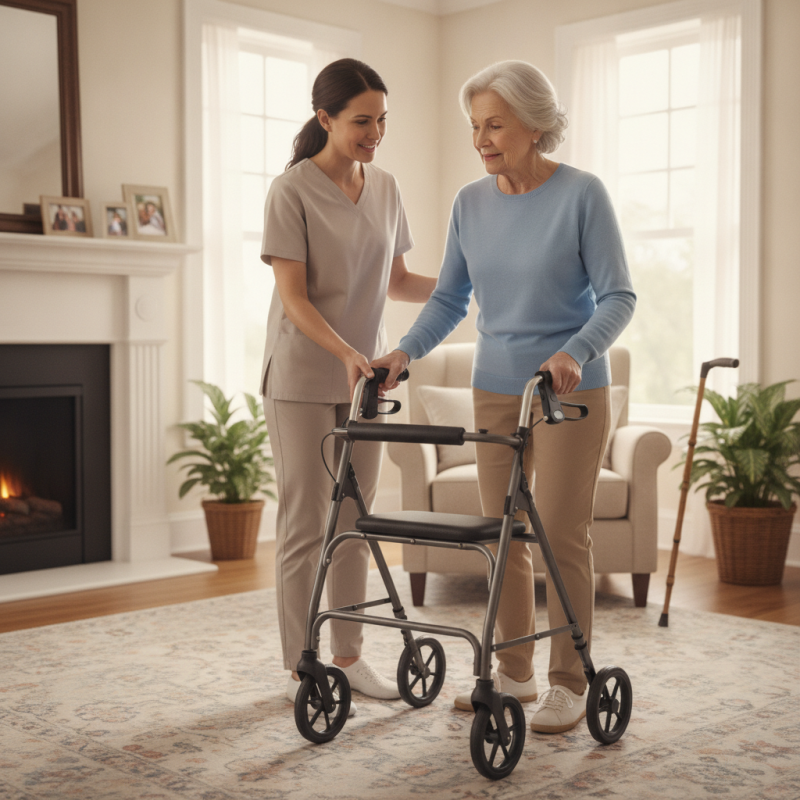
Top 10 Tips to Help Seniors Transition from Cane to Walker?

Understanding the Differences Between Canes and Walkers

Understanding the differences between canes and walkers is essential for seniors transitioning between these mobility aids. Canes provide support on one side, while walkers offer stability on both sides. This difference can significantly impact how a senior moves around their environment. A cane may suit those needing minimal assistance, while a walker is helpful for those requiring more support due to balance or strength issues.

When considering the switch, ensure the walker fits properly. It should allow the user to maintain an upright posture without straining. Hands should be able to grip the walker comfortably. Familiarizing oneself with the walker in a safe environment can ease anxiety. Practicing walking slowly is crucial.

Tip: Encourage gradual use of the walker for short distances at first. This slow adjustment helps build confidence. Another tip is to analyze the home layout. Clear any obstacles that could hinder movement. Finally, check the walker regularly. Ensure it is in good condition to prevent accidents and ensure safety.

Assessing Individual Mobility Needs and Limitations

Assessing individual mobility needs is crucial for seniors transitioning from a cane to a walker. Each person's strength, balance, and coordination vary. A thorough evaluation helps identify these specific limitations. A healthcare professional can conduct tests to measure flexibility and stability. This objective analysis forms a better picture of mobility challenges.

Identifying how the individual interacts with their environment is also essential. Consider the places they frequent. Narrow hallways, stairs, or uneven surfaces present different challenges. Some seniors may find traditional walkers cumbersome. Conversely, others may feel insecure with a cane. The goal is to ensure they feel safe and confident while moving. Regular follow-ups are important, as mobility needs can change.

In some cases, it may take time to adjust to the new device. This transition can be frustrating. Practicing regularly can improve proficiency and comfort. Encouraging open discussions about fears and experiences can help, too. Seniors need support throughout this journey. It's not just about changing equipment; it’s about enhancing independence.

Choosing the Right Walker for Comfort and Stability

Choosing the right walker is essential for comfort and stability as seniors transition from a cane. A well-selected walker fosters confidence and independence. It’s important to consider the walker’s material, weight, and adjustability. Light materials allow for easy maneuvering, while adjustable heights help achieve a personalized fit.

One tip is to evaluate the walker’s grip handles. They should fit comfortably in the hand, preventing slips during use. Test different designs to find the most comfortable grip. Seniors should also consider walkers with wheels. They can ease movement and reduce strain on arms and shoulders.

Another suggestion is to assess the walker’s base. The base should provide good support and stability. A walker with a wider frame can help prevent tipping. Take time to practice using the walker in safe environments. Learning to maneuver, turn, and stop properly is crucial. Transitioning can feel overwhelming, so tracking progress can help in reflecting on improvement. The right walker can make a significant difference.

Gradually Transitioning: Steps to Adapt from Cane to Walker

Transitioning from a cane to a walker can feel challenging for many seniors. However, with the right steps, this process can be manageable and effective. Gradually adapting is key. Start by practicing at home. Familiarize yourself with the feel and balance of the walker. This helps build confidence.

Create a safe environment. Clear the floor of obstacles like rugs and clutter. This minimizes the risk of falling. Practice walking short distances. This gives your body time to adjust. Gradually increase the distance as you feel more comfortable.

Seek support from family or friends. They can help during practice sessions. It can also be comforting to have someone nearby. Remember, each step counts, no matter how small. Being patient with yourself is essential. Adjusting may take time, and that’s completely okay. Reflect on your progress regularly. Celebrate small achievements to stay motivated.

Practicing Safe Walking Techniques with a Walker

Transitioning from a cane to a walker can be challenging for seniors. Practicing safe walking techniques is crucial. According to the National Council on Aging, falls are a leading cause of injury among older adults. Improving stability while using a walker can significantly reduce these incidents.

Seniors should focus on proper grip and posture when using a walker. Keeping hands firmly on the handles and maintaining an upright position can enhance balance. It's important to take small, deliberate steps. Many seniors forget to lift their feet high enough, which increases the risk of tripping. Recent studies show that 80% of seniors using walkers feel more stable when they practice these techniques regularly.

Another aspect to consider is environment. Seniors should be mindful of their walking surfaces. Uneven ground can pose a hazard. Walking in well-lit areas and avoiding cluttered pathways support safer mobility. A staggering 30% of older adults experience a fall in their homes each year. With careful attention to walking techniques and surroundings, seniors can navigate their spaces more confidently.

FAQS

: Why is assessing mobility needs important for seniors?

: It helps identify specific limitations in strength, balance, and coordination. This assessment guides device selection.

How can I help a senior transition from a cane to a walker?

Start with practice at home. Familiarity with the walker builds confidence. Encourage short practice sessions.

What should be considered in the environment for safer walking?

Clear obstacles from the floor. Ensure good lighting and avoid uneven surfaces. Create a safe space for movement.

How can family support during this transition?

Family can assist in practice sessions. Their presence can offer comfort and encouragement throughout the adjustment period.

How can seniors improve their walking techniques with a walker?

Focus on grip and posture. Take small steps, and remember to lift feet fully to reduce tripping risks.

What if a senior feels frustrated during the transition?

It’s okay to feel frustrated. Encourage regular practice and open discussions about fears to help manage these feelings.

How often should mobility needs be reassessed?

Regular follow-ups are crucial. Mobility needs can change, and periodic evaluations help ensure ongoing safety.

What small details can boost a senior’s confidence?

Celebrating small achievements helps keep motivation high. Reflecting on progress reinforces their ability to adapt.

What common hazards should seniors watch out for while using a walker?

Uneven surfaces and cluttered pathways are hazards. Be mindful of walking conditions to avoid falls.

Is it normal for the adjustment process to take time?

Yes, adjusting takes time. Being patient with oneself during this transition is essential for building confidence.

Conclusion

Transitioning from a cane to a walker can be a significant adjustment for seniors requiring additional mobility support. Understanding the differences between canes and walkers is essential in facilitating this change. A cane offers limited support, while a walker provides more stability, making it crucial for seniors to assess their individual mobility needs and limitations before making the switch.

To help seniors transition from a cane to a walker, it is recommended to choose the right walker that promotes comfort and stability. Gradually introducing the walker into daily routines allows for a smoother adaptation process. Practicing safe walking techniques while using the walker can further enhance confidence and safety. By focusing on these steps, caregivers and family members can effectively support seniors in navigating this important transition.

Mason

Mason

Mason is a seasoned marketing professional with a deep expertise in the company's offerings and a passion for driving brand awareness. With a strong background in digital marketing strategies, he has an innate ability to connect with diverse audiences and effectively communicate product benefits.......