In today's fast-paced healthcare environment, efficiency is paramount. Hospitals face increasing demands for quick and accurate patient care. Smart medical carts are emerging as essential tools to meet these challenges. But how do smart medical carts improve hospital workflow?
These innovative solutions streamline tasks for healthcare professionals. Equipped with advanced technology, they provide real-time access to patient information. This reduces the time spent searching for data and enhances decision-making. The mobility of these carts allows staff to move quickly between patients. They can carry vital equipment and supplies, minimizing delays in care delivery. However, not all smart carts are created equal. Some may lack essential features or user-friendly interfaces.
Adopting smart medical carts can significantly impact hospital efficiency. Yet, hospitals must select the right models and ensure proper training. Evaluating their effectiveness requires ongoing feedback from healthcare workers. This continual assessment can reveal areas for improvement, ensuring the carts fully support hospital workflow.
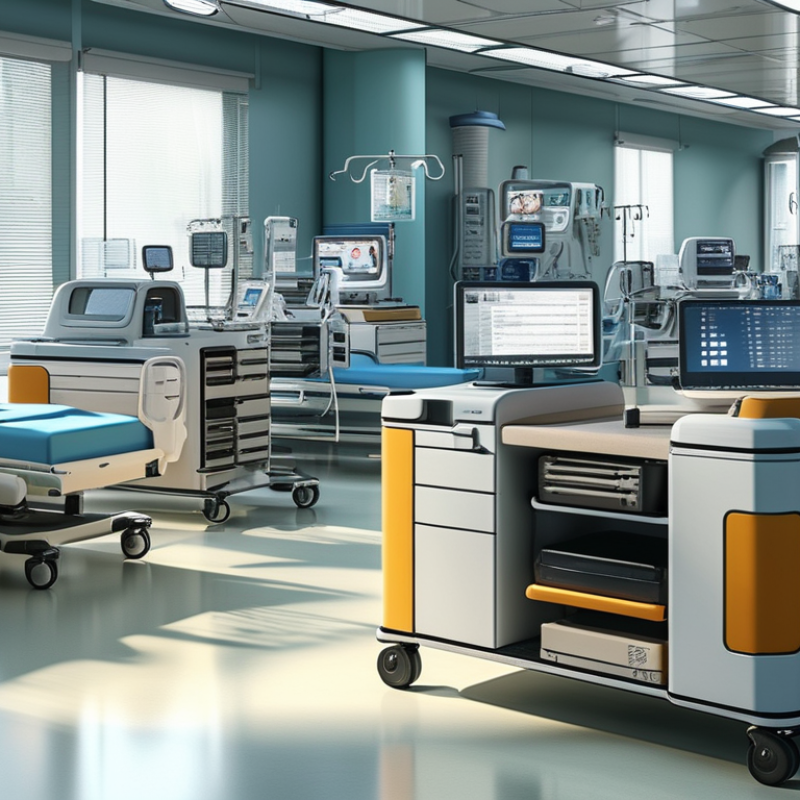
Smart medical carts are transforming patient care in hospitals. These innovative tools provide real-time access to patient information. According to a study by the American Journal of Nursing, using smart carts can reduce medication errors by up to 30%. This reduction significantly enhances patient safety, ensuring that they receive the correct medication at the right time.
Additionally, smart medical carts streamline workflows. With built-in electronic medical record (EMR) access, healthcare providers save time. A survey by Healthcare IT News indicates that 68% of nurses reported spending less time on documentation. This efficiency allows for increased patient interaction, fulfilling the core of compassionate care. However, adopting this technology requires staff training, which can be a hurdle for some hospitals.
Moreover, smart medical carts facilitate better inventory management. Hospitals can track medical supplies in real time. A report from the Institute for Healthcare Improvement suggests that improved inventory management can reduce costs by 20%. Despite these benefits, the initial investment can be high, leading to questions about long-term financial viability. Balancing immediate costs with potential savings remains a critical challenge in implementation.
| Feature | Description | Impact on Workflow |
|---|---|---|
| Real-time Data Access | Medical carts equipped with tablets provide immediate access to patient records and data. | Reduces the time spent retrieving information and increases accuracy in patient care. |
| Medications Management | Automated dispensing and tracking reduce medication errors. | Enhances patient safety and optimizes nursing workflow. |
| Telehealth Capabilities | Integration with telehealth solutions for remote consultations. | Facilitates timely patient interventions and reduces in-person visit needs. |
| Mobility and Ergonomics | Designed for easy movement throughout the hospital. | Improves nurse and staff productivity through reduced physical strain. |
| Inventory Management | Automated tracking of medical supplies and equipment. | Ensures availability of necessary resources, minimizing delays in care delivery. |
: Smart medical carts enhance patient care by providing real-time access to information, reducing medication errors, and streamlining workflows.
Studies show that medication errors can be reduced by up to 30%, significantly improving patient safety.
Yes, they save time by providing access to electronic medical records, allowing for more patient interaction.
Training staff to use the technology can be a hurdle. Some nurses may feel overwhelmed by the new systems.
They enable real-time tracking of medical supplies, potentially reducing costs by up to 20%.
Yes, the initial investment can be high. Hospitals must weigh immediate costs against potential long-term savings.
They can significantly reduce administrative tasks, allowing nurses to spend more time on patient care and interaction.
Innovations, like IoT integration, can improve workflow efficiency and tracking but require staff to be trained effectively.
Yes, cybersecurity threats related to connected devices are a significant concern that hospitals must address.
Some nurses may struggle to adapt to new systems, indicating a need for ongoing support and training.
Smart medical carts are revolutionizing hospital workflow by significantly enhancing patient care and operational efficiency. By integrating advanced technology, these carts facilitate streamlined operations, allowing healthcare professionals to access vital information quickly and efficiently. This increased accessibility not only improves nursing efficiency but also enhances patient interaction, as nurses can spend more time with patients rather than managing paperwork.
Furthermore, smart medical carts play a crucial role in data management, ensuring that relevant patient information is readily available, which can lead to better decision-making and improved outcomes. Looking ahead, ongoing innovations in medical cart technology promise to drive even greater efficiencies and adaptability within hospital environments. Ultimately, the question of "How do smart medical carts improve hospital workflow?" is answered through their ability to combine technology with patient care, fostering a more effective healthcare system.

 Avelar Medical