As seniors age, they face an increased risk of falls, making safety crucial in their living spaces. Bedside handrails play an essential role in fall prevention. According to Dr. Emily Smith, a geriatric safety expert, “Installing handrails can significantly reduce the chances of falls at night.” This highlights a vital aspect of home safety for older adults.
Many seniors struggle with mobility and balance. The presence of bedside handrails provides vital support during nighttime movements. These handrails act as a reliable anchor for those who may feel unsteady. Incorporating these measures leads to greater confidence for seniors in their own spaces.
However, not every home is equipped with such safety features. Some may overlook the importance of bedside handrails until it's too late. Reflecting on safety can be challenging for families. It raises an important question: Why do seniors need bedside handrails for fall prevention? Only by addressing this can we promote awareness and save lives.
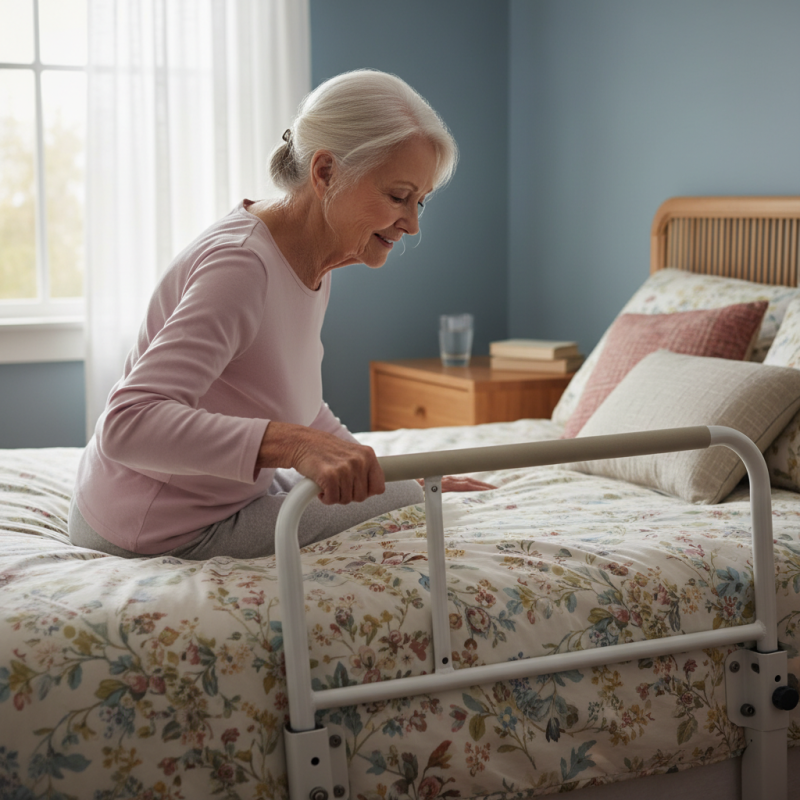
Falls are a significant concern for seniors. As we age, our balance, vision, and strength decline. This makes falls more likely. Bedside handrails offer crucial support. They provide stability when getting in and out of bed. This simple tool can prevent many injuries. A handrail can be the difference between a safe night and a dangerous fall.
Research shows that falls often lead to serious health issues. Hip fractures and head injuries can occur. Recovery may take a long time and may not be fully achievable. With bedside handrails, seniors can maintain independence. It helps them stay active longer. Small adjustments in the home can lead to big improvements in safety.
Creating a secure environment is not just about equipment. It requires awareness of risks. Family members should assess their homes for hazards. Regular check-ins and conversations are important. This interaction can reveal hidden dangers. Older adults may be hesitant to talk about their fears. Encouragement and understanding can help them open up. Handrails are a step towards a safer lifestyle, yet they are just one piece of the puzzle.
Bedside handrails are vital for seniors. These safety features provide support and stability. They can prevent dangerous falls, which are common in older adults. Many designs focus on ease of use. Simple installations can make a significant difference in daily life. They assist with getting in and out of bed safely.
When considering the design, certain elements stand out. Handrails should be adjustable to fit various bed heights. The materials must be sturdy yet comfortable to grip. Some designs incorporate padding for extra safety. Aesthetic appeal also matters; they should blend into a home environment.
While many products exist, not all meet safety standards consistently. It's crucial to consider individual needs. Custom solutions may sometimes be neglected. Reflecting on specific requirements ensures a truly safe solution. Each senior deserves careful consideration in their unique living space.
Bedside handrails play a critical role in reducing fall risks for seniors. As mobility decreases with age, many older adults struggle with balance. Handrails provide the support they need when getting in and out of bed. A simple grip can make a world of difference. This added stability empowers seniors to move with confidence, minimizing the chance of falls.
In addition to providing physical support, bedside handrails also offer peace of mind. When seniors feel secure, they are more likely to maintain their independence. This can encourage them to engage in daily activities, like getting up at night or moving to a chair. Installing handrails can also be a reminder to take necessary precautions.
However, not all handrail designs are suitable for every individual. It’s essential to evaluate each person's unique needs and living environment. Some handrails may not be adjustable or sturdy enough. Therefore, a proper assessment is necessary before installation. This ensures both effectiveness and safety.
Bedside handrails serve an essential role in fall prevention for seniors. Proper installation and maintenance are critical to their effectiveness. Begin by choosing a suitable location. The handrail should sit close to the bed, ideally within arm's reach. Check that it is securely anchored to the wall or bed frame. Use a level to ensure it is straight, as uneven handrails can compromise safety.
Regular maintenance is vital to keep handrails functional. Inspect them monthly for any signs of wear or damage. Tighten loose screws and replace any worn parts immediately. Cleaning is also important; dust and grime can build up over time. Use a gentle cleaner to wipe down the surface, ensuring it remains safe for use.
Tips: Always consult a professional if unsure about the installation process. Take time to assess the individual needs of the senior you are assisting. Experiment with different handrail heights and locations to find what feels the most comfortable. Consider adding padding or grips for extra comfort. Being proactive now can prevent falls in the future.
This chart illustrates the significance of bedside handrails in fall prevention for seniors. The data indicates a high injury risk (70%) without proper handrails, while their effectiveness in prevention stands at 85%. User satisfaction is notably high at 90%, but installation difficulty and maintenance needs are points of concern, rated at 40% and 60%, respectively.
Bedside handrails play a crucial role in fall prevention for seniors. However, they should be complemented with additional safety measures to enhance overall security. Research shows that nearly 30% of seniors experience falls each year, leading to serious injuries. Installing non-slip mats near the bed can provide an extra layer of safety. These mats help reduce the risk of slipping when getting in and out of bed.
Lighting is another vital aspect of fall prevention. Poor visibility can be a significant hazard. Seniors often navigate their homes at night, and inadequate lighting can lead to accidents. Motion-sensor lights can illuminate pathways automatically. This simple addition can guide seniors safely to their destinations. It's also essential to declutter the living spaces. Items strewn across floors can lead to trips and falls.
Moreover, educating seniors about the importance of using handrails correctly can further reduce risks. They may forget to grip the rail securely, compromising safety. Training sessions or informative brochures could be helpful. Ultimately, while bedside handrails are effective, incorporating these complementary measures is essential for creating a comprehensive fall prevention strategy.
: Falls pose serious risks to seniors, leading to injuries and possible loss of independence.
They provide support when getting in and out of bed, enhancing stability and safety.
Falls can result in hip fractures, head injuries, and lengthy recoveries that may not be complete.
Simple home adjustments, like installing handrails, can significantly enhance safety and prevent falls.
Regular inspections and cleaning are essential, as well as tightening loose screws and replacing worn parts.
Handrails should be close to the bed, within arm's reach, and securely anchored for safety.
Assess the home for hazards and have regular conversations about safety concerns with older adults.
Open discussions and encouragement from family can help seniors feel comfortable sharing their concerns.
Consult a professional for assistance or guidance on the installation process to ensure safety.
Adding padding or grips can enhance comfort and ensure more secure handling for seniors.
Falls are a significant health risk for seniors, which is why understanding the question, "Why do seniors need bedside handrails for fall prevention?" is crucial. Bedside handrails offer essential support and stability, enabling seniors to navigate their environments safely. These handrails are thoughtfully designed to provide robust assistance at critical points, especially when getting in and out of bed, thereby significantly reducing the risk of falls.
Proper installation and maintenance of these handrails are vital to ensure their effectiveness. Additionally, combining handrails with other safety measures, such as proper lighting and clear pathways, enhances overall safety. By prioritizing fall prevention through the use of bedside handrails, caregivers and families can help protect seniors from potential injuries, promoting their independence and well-being.

Avelar Medical