In the healthcare sector, preventing hospital-acquired infections (HAIs) is a critical priority. The design of medical carts plays a significant role in this endeavor. Experts emphasize that "effective cart design can minimize the risk of infection," as stated by Dr. Sarah Jones, a leading expert in infection control. Her insight sheds light on the profound impact that design can have in maintaining a sterile environment.
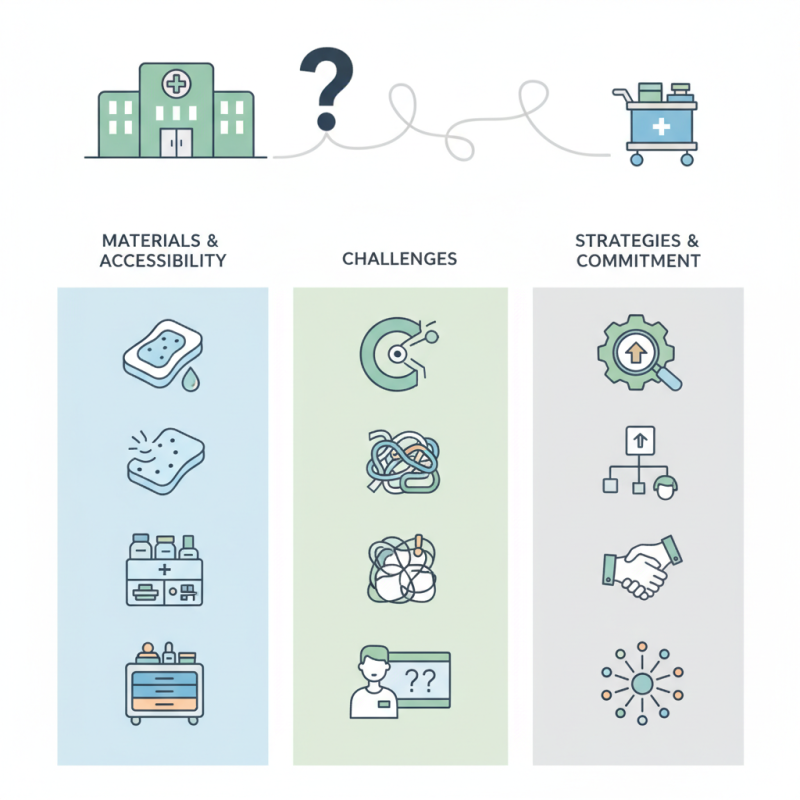
When discussing how to prevent hospital-acquired infections through cart design, one must consider materials and accessibility. Carts should be constructed from non-porous, easy-to-clean materials. The layout of equipment and supplies should support hygienic practices. A well-organized cart reduces clutter and prevents cross-contamination.
However, there are challenges. Not all carts meet the high standards required for infection control. Continuous assessment of cart designs is necessary. Training staff to utilize these carts efficiently also poses difficulties. Observational studies are crucial to identify areas for improvement. Creating a culture of awareness can make a difference in infection prevention strategies. Real change requires commitment and cooperation from all staff members.
Hospital-acquired infections (HAIs) pose a significant threat to patient care. These infections can extend hospital stays, increase treatment costs, and ultimately affect patient recovery. Reducing these risks requires comprehensive strategies, including thoughtful cart design. Carts are essential for transport and storage in healthcare settings. Their design can influence cleanliness and efficiency, directly impacting infection rates.
Consider implementing hands-free features on carts. This allows staff to navigate without touching surfaces, thereby reducing contamination. Using materials that are easy to clean, like stainless steel, can minimize bacterial growth. Regular training sessions on proper cart usage can enhance awareness among staff.
It's also vital to rethink the cart layout. Essential items should be easily accessible to reduce the time staff spend searching. This efficiency can minimize disruptions during care, allowing for better focus on patient needs. Observing how cart designs affect workflows can lead to meaningful improvements, but this may require ongoing feedback from healthcare professionals. Reflecting on these practices helps in creating a safer environment, avoiding complacency in infection prevention efforts.
Cart design plays a critical role in reducing hospital-acquired infections (HAIs). Well-designed carts can enhance cleanliness and organization in medical environments. The surfaces of these carts should be smooth and easy to clean, minimizing places where pathogens can hide. Implementing solid materials reduces the risk of contamination during patient care.
Efficient layout is also essential. Carts should provide easy access to necessary tools and supplies. This accessibility promotes timely interventions, which can prevent the spread of infections. Incorporating features like touchless disposal mechanisms can further reduce contact with potentially contaminated surfaces. However, creating a user-friendly cart is challenging. Feedback from healthcare professionals is vital. Their insights can identify shortcomings and areas for improvement.
Moreover, there is room for innovation in cart design. For instance, integrating technology could allow for real-time monitoring. Tracking equipment usage could help address cleanliness issues promptly. Reflecting on current practices shows that many carts still rely on outdated designs. A fresh approach is necessary to keep pace with evolving healthcare challenges. Each design iteration should aim for not just functionality, but also infection control.
When designing carts for hospitals, infection resistance is paramount. An effective cart should be made from non-porous, easy-to-clean materials. Surfaces must withstand frequent disinfection. Smooth edges and minimal crevices help limit dirt and bacteria accumulation.
Ventilation is another key feature. Proper airflow reduces moisture, which can harbor pathogens. Carts designed with elevated bases prevent contact with floors, minimizing cross-contamination. Functionality should not compromise safety. Carts may need handles or compartments that are easily accessible, yet sealed to keep contents safe from infection.
Regular assessments of cart designs can address ongoing issues. This process involves reviewing user feedback and infection control reports. It helps identify areas needing improvement. Additionally, training staff on proper use is essential. Even the best design can't prevent infections if not used correctly. Regular training ensures compliance with hygiene protocols and promotes a culture of safety.
| Feature | Description | Benefits |
|---|---|---|
| Non-porous Materials | Use of materials that do not absorb liquids | Reduces risk of contamination |
| Smooth Surfaces | Design that minimizes crevices and seams | Easier to clean and disinfect |
| Antimicrobial Coatings | Surface treatments that inhibit bacterial growth | Provides an additional layer of protection |
| Ergonomic Design | User-friendly design for healthcare workers | Improves efficiency and reduces handling |
| Seamless Construction | Piece with no joints where bacteria can hide | Supports thorough cleaning and infection control |
In healthcare settings, preventing hospital-acquired infections is crucial. Cart design plays a significant role. The choice of materials can greatly influence the overall hygiene. Non-porous and antimicrobial materials help inhibit the growth of bacteria. For instance, stainless steel and high-density polyethylene are widely used due to their durability and ease of cleaning.
Tips: Use surfaces that can withstand frequent disinfecting. Encourage staff to perform regular cleaning routines.
Technologies like UV-C light disinfection are emerging as effective tools. Integrating these into cart design can enhance microbial control. However, it’s essential to train staff on new technologies. Unfamiliarity can lead to improper use, diminishing their effectiveness.
Tips: Consider providing workshops on new disinfecting technology. Promote open discussions to share experiences and improvements.
Proper training for staff on cart usage is crucial in preventing hospital-acquired infections. Staff must understand the importance of maintaining cleanliness. A well-designed cart can help, but it’s useless without training. Regular sessions should focus on how to use carts effectively and safely. This includes proper placement and cleaning after each use.
Infection control practices are essential. Staff should know the difference between clean and contaminated items. Cart organization plays a key role in this. Clear labeling and designated compartments can simplify these processes. However, mistakes will happen. Regular assessments of staff practices can help identify areas needing improvement.
Encouraging a culture of accountability is vital. Staff must feel empowered to speak up when they see issues. Continuous feedback can foster an environment of learning. Workshops and refresher courses reinforce the necessary skills. In this way, a commitment to infection control starts with each team member’s daily actions.
: Infection resistance prevents the spread of bacteria and pathogens, ensuring patient safety.
Non-porous, easy-to-clean materials are essential. They must withstand regular disinfecting.
Smooth edges and minimal crevices reduce dirt and bacteria build-up on surfaces.
Proper airflow lowers moisture levels, minimizing the risk of pathogens developing on carts.
Training ensures proper cleaning and use of carts, enhancing their effectiveness against infections.
Regular assessments and feedback help identify areas needing improvement. This leads to better practices.
Encouraging open communication and continuous feedback allows staff to address issues promptly.
Clear labeling and designated compartments simplify the identification of clean versus contaminated items.
Regular training sessions are crucial, ideally including workshops and refresher courses.
Even the best cart designs fail if not used correctly, risking infection spread.
The article "How to Prevent Hospital Acquired Infections with Cart Design?" emphasizes the critical role that cart design plays in mitigating the risk of hospital-acquired infections (HAIs). By understanding the implications of HAIs on patient care, healthcare facilities can implement effective infection prevention strategies. Key features of an effective infection-resistant cart design include the use of smooth surfaces, minimal seams, and easy-to-clean materials, which together enhance the overall hygiene of the health environment.
Moreover, the article discusses the importance of selecting appropriate materials and advanced technologies that promote hygiene. Training staff on proper cart usage and infection control practices is equally vital to ensure these designs are utilized effectively. Overall, the insights provided address the question of how to prevent hospital-acquired infections through cart design, ultimately contributing to safer patient care and improved health outcomes.

Avelar Medical