Creating an efficient nursing workstation is vital for quality patient care. Nurses spend long hours at their stations, so they need the right tools. According to Dr. Sarah Jenkins, a leading expert in nursing ergonomics, "The workspace must be equipped for both comfort and efficiency."
So, what are the essential accessories for a nursing workstation? Proper accessories can greatly enhance productivity and well-being. Items like ergonomic chairs, adjustable desks, and organized storage systems are just a starting point. It’s also important to consider the technological needs. For instance, having an easily accessible computer setup can streamline documentation processes. However, many nurses overlook the importance of personal touches like plants or photos. These elements can ease stress but might be dismissed as unnecessary.
Ultimately, an ideal nursing workstation balances functionality and personal comfort. The challenge lies in finding the perfect mix. With the right accessories, nurses can not only perform their tasks more effectively but also improve their overall job satisfaction. This is a key consideration in today's healthcare settings.
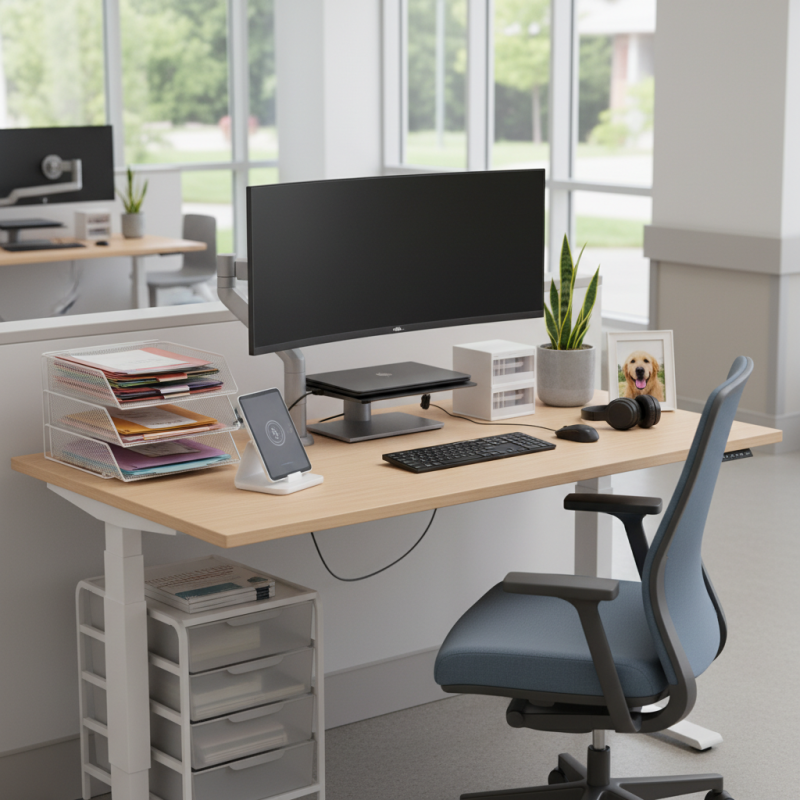
A well-organized nursing workstation is crucial for efficiency and effectiveness. Nurses spend long hours at their stations, so having essential accessories can significantly improve workflow. Items like a desktop organizer can hold pens, scissors, and other tools. Consider a document holder for charts and notes. This keeps everything you need at your fingertips, reducing the time spent searching for supplies.
In addition, consider a dedicated area for personal items. Keep a water bottle and snacks within reach. Hydration and proper nutrition are vital during shifts. A comfortable chair is also important. Ergonomics matter; a good chair can prevent back pain. However, sometimes we overlook these small comforts during busy hours. Reflecting on our setup can lead to improvements we might have ignored.
Lastly, adopt a system to declutter regularly. Tackle one area each week if possible. A tidy workspace promotes mental clarity. While it’s easy to let things pile up during hectic shifts, a clear desk enhances focus. Regular reflection on what works and what doesn’t can lead to better organization in the long run.
| Accessory | Purpose | Benefits |
|---|---|---|
| Stethoscope | Patient examination | Essential for heart and lung assessment |
| Scrub Caps | Hygiene and professionalism | Keeps hair contained and maintains standards |
| Pocket Organizer | Storage for small tools | Keeps utensils accessible and organized |
| Clipboard | Documentation | Supports note-taking while standing |
| Nursing Scissors | Cutting tasks | Versatile for dressings and bandages |
| Pill Organizer | Medication management | Helps keep track of patients' medications |
| Digital Thermometer | Temperature measurement | Quick and accurate readings |
| Sphygmomanometer | Blood pressure monitoring | Critical for cardiovascular assessments |
| Hands-Free Light | Illumination during procedures | Allows for better visibility and precision |
| Reflex Hammer | Neurological examinations | Essential for assessing reflexes |
: A well-organized cart for supplies is crucial for efficiency.
Using a device stand keeps tablets and phones visible and accessible.
Ergonomic options reduce strain and support well-being during long shifts.
A supportive chair can significantly decrease lower back strain.
They allow alternation between sitting and standing, enhancing energy levels.
Footrests encourage movement and improve overall posture during shifts.
Proper lighting reduces eye strain and enhances focus for better performance.
Short breaks for stretching alleviate tension and reduce fatigue over time.
Reflect on your experience and consider what works best in your environment.
Not keeping frequently used items within reach leads to disorganization and inefficiency.
In addressing the question, "What are the essential accessories for a nursing workstation?" it becomes evident that a well-organized and efficient workspace is crucial for optimal patient care. Key items include dedicated storage solutions to keep essential tools and supplies neatly arranged, which ultimately saves time and enhances workflow. Additionally, incorporating technology such as digital documentation tools can streamline communication and simplify reporting, thereby improving overall efficiency in a nursing environment.
Moreover, attention to comfort and ergonomics is vital for sustaining nurses' well-being. Accessories such as supportive seating and adjustable workstations can help reduce physical strain, allowing nurses to focus better on patient care. Lastly, having essential supplies readily available for effective documentation ensures that nurses can accurately and efficiently track patient information. By equipping a nursing workstation with these must-have accessories, healthcare professionals can significantly enhance their productivity and the quality of care provided to patients.

 Avelar Medical