How to Effectively Sanitize Medical Equipment Carts?

Time:2026-05-13 Author:Henry
0%

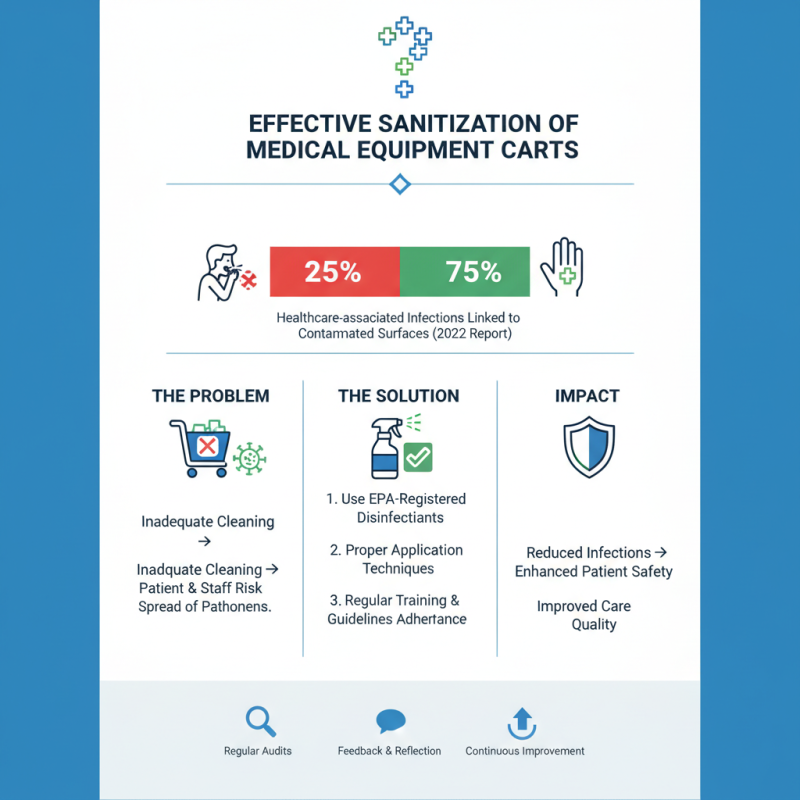
Sanitizing medical equipment carts effectively is a crucial task in healthcare settings. According to a 2022 report from the Journal of Hospital Infection, nearly 25% of healthcare-associated infections are linked to contaminated surfaces. Inadequate cleaning of equipment carts can lead to serious consequences for patients and staff alike. The demand for high cleanliness standards has never been greater, especially in the wake of the COVID-19 pandemic.

Professionals often wonder, "How to sanitize medical equipment carts effectively?" It involves understanding the right techniques and disinfectants to use. Studies show that using EPA-registered disinfectants can reduce pathogens effectively when applied with proper methods. However, many practitioners underestimate the importance of regular training and adherence to guidelines. This oversight can lead to inefficient cleaning practices and prolonged risks of infection.

Investing time to understand best practices is essential. Despite advancements in disinfection technologies, human error remains a significant challenge. Regular audits and feedback can help improve these processes. In a field where precision is paramount, reflection on current practices can catalyze improvements in cleaning protocols, ultimately safeguarding patient health and enhancing care quality.
How to Effectively Sanitize Medical Equipment Carts?

Importance of Sanitizing Medical Equipment Carts

Sanitizing medical equipment carts is crucial for patient safety. These carts often transport various medical tools and supplies. They can harbor bacteria and viruses, increasing infection risk. Effective sanitation minimizes these risks, ensuring a safer environment for patients and healthcare professionals alike.

A lack of proper sanitization can lead to severe consequences. Regular cleaning routines must be established. A simple wipe-down might not be enough. Focus on high-touch areas, as these accumulate germs quickly. Antimicrobial solutions should be utilized, but their effectiveness depends on correct application. It’s important to follow guidelines for wet contact time to ensure germ elimination.

Training staff on best practices is also essential. Many healthcare workers may feel rushed. This could lead to overlooked areas during cleaning. Continual training brings awareness. A culture of accountability develops, pushing staff to prioritize sanitization. Reflection on practices can reveal weaknesses. This is where improvement begins, ensuring every cart remains hygienic and ready for use.

Essential Cleaning Supplies for Effective Sanitization

When it comes to sanitizing medical equipment carts, the choice of cleaning supplies is crucial. Using the right disinfectants can make a significant difference. Look for hospital-grade disinfectants that are effective against a broad range of pathogens. Always check the safety data sheets for proper handling and usage instructions. This ensures that the cleaning process is not only effective but also safe for the staff and patients.

Microfiber cloths are also essential. They trap dirt and microorganisms more effectively than traditional cleaning cloths. This is especially important in medical environments where contaminants can spread quickly. Remember to regularly wash and replace these cloths to maintain their efficacy. In contrast, sponges can harbor bacteria, so they are often not recommended.

Lastly, it's vital to stay updated on the latest cleaning guidelines. Medical standards can evolve, and what was effective last year may not be sufficient today. Regular training for staff on the importance of using the right products is essential. Reflection on past cleaning practices can highlight areas for improvement. Ultimately, the goal is to provide a safe environment through diligent and informed sanitization efforts.

Sanitization Effectiveness of Different Cleaning Supplies

This chart displays the effectiveness ratings of various cleaning supplies used for sanitizing medical equipment carts, with scores ranging from 1 to 10. Alcohol wipes are rated the highest for effectiveness, followed by bleach solutions and hydrogen peroxide.

Step-by-Step Process for Cleaning Medical Carts

Cleaning medical equipment carts is crucial in maintaining hygiene in healthcare settings. Research from the Journal of Hospital Infection indicates that improperly sanitized surfaces can harbor pathogens responsible for healthcare-associated infections (HAIs). A step-by-step approach ensures effective cleaning and disinfection, reducing the risk of infection transmission.

Begin by gathering necessary supplies: disinfectant wipes, cleaning solutions, and personal protective equipment (PPE). Disconnect any equipment from the cart. Remove all items and dispose of waste properly. Clean surfaces with a detergent to remove organic matter. Pay special attention to high-touch areas, such as handles and surfaces.

Once clean, apply an EPA-registered disinfectant to the surfaces, following the manufacturer's instructions for contact time. This step is critical; many pathogens survive if the disinfectant isn't left on the surface long enough. Rinse or wipe down surfaces if required. Regular training on this process is vital, as a lack of adherence can lead to lapses in sanitation.

Tip: Always log cleaning times and checklists to maintain accountability.

Tip: Use color-coded cleaning tools to prevent cross-contamination.

Educating staff on the importance of this process promotes a culture of safety. Despite efforts, lapses can happen. Regular audits can help identify areas needing improvement, ensuring high standards are maintained.

Best Practices for Maintaining Sanitized Equipment Carts

Maintaining sanitized medical equipment carts is crucial for infection control in healthcare settings. A recent report from the Centers for Disease Control and Prevention (CDC) indicated that improper cleaning of hospital equipment contributes to 1 in 25 patients acquiring healthcare-associated infections (HAIs). This statistic highlights the importance of rigorous sanitization practices.

Regular training of staff is an essential best practice. Training ensures that every member understands the correct sanitization protocols. Guidelines from the World Health Organization recommend using EPA-approved disinfectants for effective surface cleaning. It is crucial to train staff on how to follow these guidelines consistently.

Employing a checklist for daily sanitization procedures can enhance reliability. Documenting each cleaning task can help maintain accountability. However, human error can lead to overlooked areas. Regular audits can serve as a reminder of the importance of thorough cleaning, but these audits may also reveal areas for improvement in sanitization protocols. A continuous feedback loop can help refine processes over time, ensuring the highest standard of cleanliness.

Common Mistakes to Avoid When Sanitizing Medical Carts

Sanitizing medical equipment carts is crucial in maintaining a safe environment. However, common mistakes can compromise their effectiveness. One major error is using the wrong cleaning agents. Some disinfectants may be too harsh or ineffective against certain pathogens. Always refer to specific guidelines for disinfectant suitability.

Another common mistake is inadequate cleaning between uses. Simply spraying disinfectant without proper cleaning can lead to a layer of residue. It’s essential to wipe carts thoroughly, ensuring that all surfaces are cleaned. Also, sometimes staff overlook high-touch areas. Focusing on these spots can help minimize cross-contamination risks.

Timing matters too. Rushing the disinfecting process may not kill all microorganisms. Ensure that the product sits on the surface for the required time. It’s easy to overlook this step, but it’s essential for efficacy. Regular training sessions can help reinforce these practices and make everyone aware of potential oversights. A reflective approach can improve the sanitization process.

How to Effectively Sanitize Medical Equipment Carts? - Common Mistakes to Avoid When Sanitizing Medical Carts

Mistake Description Consequence Best Practice
Using Incorrect Cleaning Agents Selecting sanitizers that may damage equipment. Increased risk of equipment failure. Always refer to manufacturer guidelines for approved cleaning agents.
Inadequate Training Staff not knowing proper sanitization procedures. Higher chances of cross-contamination. Provide regular training sessions for staff on sanitization protocols.
Neglecting High-Touch Areas Overlooking commonly touched surfaces. Potential spread of infections. Implement a comprehensive cleaning checklist that includes all touchpoints.
Insufficient Drying Time Not allowing sanitized items to fully dry. Retains moisture, leading to bacterial growth. Ensure adequate drying time as per the sanitizing product instructions.

FAQS

: What cleaning supplies are essential for sanitizing medical equipment carts?

: Hospital-grade disinfectants and microfiber cloths are crucial for effective sanitization.

Why are microfiber cloths preferred over traditional cloths?

Microfiber cloths trap dirt and microorganisms more efficiently, reducing contamination risks.

How often should microfiber cloths be washed?

Regular washing and replacing of microfiber cloths are necessary to maintain effectiveness.

What role does staff training play in sanitization?

Regular training ensures all staff understand and follow proper sanitization protocols.

Why is it important to stay updated on cleaning guidelines?

Cleaning standards evolve, so following outdated practices could lead to inadequate sanitization.

How can checklists improve sanitization procedures?

Checklists enhance accountability and ensure all cleaning tasks are completed consistently.

What impact does improper cleaning have on patient health?

Improper cleaning contributes to healthcare-associated infections, affecting patient safety.

What should be done to prevent human error in cleaning?

Regular audits and feedback can help identify overlooked areas and improve cleaning processes.

Are sponges recommended for sanitization tasks?

Sponges are often not recommended, as they can harbor bacteria during use.

How can reflection on past cleaning practices help?

Reflecting on past practices can reveal weaknesses and areas needing improvement in protocols.

Conclusion

Sanitizing medical equipment carts is essential to ensure the safety and health of patients and healthcare providers. Understanding **how to sanitize medical equipment carts effectively** involves recognizing the importance of regular cleaning, particularly in a clinical environment where contamination risks are high. Essential supplies such as disinfectants, wipes, and gloves are crucial for achieving thorough sanitization.

The step-by-step process includes removing any items from the cart, cleaning surfaces diligently, and applying disinfectant according to safety guidelines. Adopting best practices like establishing a cleaning schedule and training staff can maintain the sanctity of the equipment. Additionally, being aware of common mistakes, such as skipping the disinfection step or using the wrong cleaning agents, can enhance overall effectiveness and ensure that medical carts remain safe for patient care.

Henry

Henry

Henry is a dedicated marketing professional with a profound expertise in the company's offerings. With years of experience in the industry, he possesses an impressive understanding of the market dynamics and consumer behaviors that drive success. Henry is committed to sharing his insights through......