Why Choose Aluminum over Steel for Medical Trolleys?

Time:2026-05-16 Author:Charlotte
0%

When considering material choices for medical trolleys, an important question arises: why choose aluminum vs steel for medical trolleys? Aluminum and steel each have unique properties. These properties impact durability, weight, and usability. Medical environments require equipment that can endure rigorous use while remaining lightweight and easy to maneuver.

Aluminum offers several advantages. It is significantly lighter than steel, which enhances mobility. This is crucial in fast-paced medical settings. Additionally, aluminum is resistant to corrosion, ensuring longevity. However, some may argue that steel can provide more structural strength. It’s true; steel is robust. Yet, this strength comes at the cost of increased weight.

In weighing options, it is essential to evaluate specific needs. Consider the functionality and environment of use. Balancing these factors helps determine the best choice. The decision should reflect practical needs and overall efficiency. Ultimately, the question remains: is aluminum truly superior for medical trolleys? This exploration aims to clarify that choice.
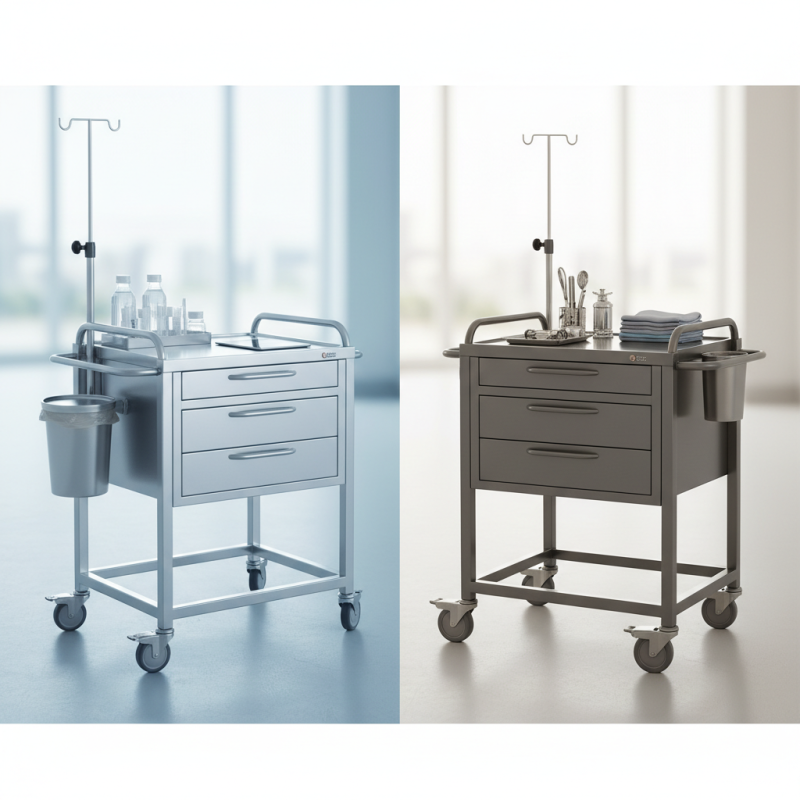
Why Choose Aluminum over Steel for Medical Trolleys?

Benefits of Aluminum in Medical Trolley Construction

Aluminum is becoming a popular choice for medical trolleys. Its lightweight nature makes handling easy. Medical staff can move trolleys quickly, enhancing workflow efficiency. This is particularly crucial in urgent situations. In contrast, steel trolleys are heavier, which can slow down response times.

Durability is another key benefit. Aluminum resists corrosion, which is vital in a medical environment. Trolleys endure frequent cleaning and exposure to various substances. Unlike steel, aluminum maintains its integrity over time. This resistance means less maintenance, saving hospitals both time and money.

Moreover, aluminum trolleys offer customization options. Manufacturers can easily shape aluminum to fit specific needs. This flexibility caters to various medical applications. On the flip side, some may question aluminum’s strength compared to steel. Although aluminum is strong, heavy-duty tasks could raise concerns. Balancing versatility with strength is an area requiring further reflection for manufacturers and healthcare providers alike.

Weight Comparison: Aluminum vs. Steel in Medical Equipment

When it comes to medical equipment, weight can significantly impact usability. Aluminum trolleys are lighter than their steel counterparts. This reduced weight enhances mobility and makes them easier to maneuver in tight hospital corridors. Healthcare professionals can quickly reposition essential equipment without strain. Steel, while strong, adds considerable bulk.

Another crucial aspect is the ease of handling. A lighter trolley means less physical effort is required. This is particularly important for long shifts where fatigue can be an issue. However, lighter does not always equate to weaker. Aluminum alloys are strong and can support heavy loads without bending. It is essential to consider both weight and structural integrity when selecting equipment.

However, not everything about aluminum is perfect. It can be more prone to denting and scratching compared to steel. This raises some concerns regarding long-term durability. Regular maintenance may be required to keep aluminum trolleys in top condition. Users should reflect on their specific needs while weighing these considerations. In the end, careful choice can lead to better functionality in medical environments.

Corrosion Resistance: Why Aluminum Outperforms Steel

Aluminum is increasingly chosen over steel for medical trolleys, largely due to its exceptional corrosion resistance. Steel, while strong, is prone to rust in moist environments, which can compromise cleanliness and safety in healthcare settings. Studies show that aluminum can withstand corrosion up to five times longer than steel, making it a more reliable option for hospitals and clinics. This durability is crucial, as it ensures longevity and reduces maintenance costs over time.

Tip: When selecting materials for medical equipment, consider not just weight and strength but also how environmental factors affect longevity.

Moreover, aluminum's lightweight nature enhances mobility. Transporting materials safely and efficiently is essential in medical environments. The reduced weight of aluminum trolleys can decrease the risk of strain injuries for staff and improve overall patient care. However, not all aluminum is created equal. Selecting the appropriate alloy for specific applications can make a significant difference.

Tip: Conduct thorough research on material specifications to match your operational needs effectively.

In contrast, while steel can provide strength, its lack of corrosion resistance and heavier weight often make it a less desirable choice. Transitioning to aluminum not only meets the functional demands of healthcare but also promotes a safer, cleaner environment. The decision may reflect deeper considerations about future maintenance and reliability as well.

Cost-Effectiveness: Long-Term Savings with Aluminum Trolleys

When evaluating materials for medical trolleys, aluminum often comes out on top regarding long-term cost-effectiveness. Medical facilities require durable, lightweight equipment that can withstand frequent use. Aluminum trolleys typically weigh 30% less than their steel counterparts. This weight advantage leads to reduced transportation costs and easier maneuverability in busy hospital environments.

A study by the Medical Equipment Manufacturers Association (MEMA) highlights that aluminum trolleys have a lower lifecycle cost than steel models. While aluminum trolleys may have a higher initial purchase price, they resist corrosion, requiring less maintenance. Over a ten-year period, hospitals can save up to 20% on total ownership costs with aluminum.

In addition, aluminum’s recyclability bolsters its eco-friendliness. The aluminum recycling process uses only 5% of the energy needed to create new aluminum. This contributes to sustainability initiatives that many healthcare facilities now prioritize. Investing in aluminum trolleys not only supports budget considerations but also aligns with environmental goals.

Design Flexibility: Customization Opportunities with Aluminum Medical Trolleys

Aluminum medical trolleys offer remarkable design flexibility, making them a preferred choice in healthcare settings. Unlike traditional steel, aluminum can be easily molded into unique shapes and sizes. This adaptability allows for custom designs that fit specific hospital needs, from compact carts for tight spaces to larger units for extensive tools. Each trolley can be tailored for the type of equipment being used, ensuring functionality and aesthetic appeal.

Healthcare professionals often appreciate the lightweight nature of aluminum. It makes transportation seamless, reducing strain on staff. Customization can extend beyond size. Color options and finishes can align with the hospital’s branding or environment. Thoughtful design can include features like adjustable shelves or integrated storage solutions. However, achieving the perfect design may require several iterations.

Reflecting on a design's effectiveness may highlight the need for user feedback. Understanding how staff interact with these trolleys can lead to improvements. While aluminum is versatile, challenges remain. Balancing durability with weight can sometimes compromise stability. Each iteration opens the door for new ideas and adjustments. The journey of design is an evolving process, inviting constant reassessment and innovation.

Why Choose Aluminum over Steel for Medical Trolleys?

This chart illustrates the benefits of aluminum medical trolleys in comparison to steel trolleys, focusing on design flexibility and customization opportunities.

FAQS

: Why are aluminum trolleys preferred in medical settings?

: Aluminum is lightweight, making it easier for staff to move quickly. This improves workflow efficiency, especially in emergencies.

How does aluminum compare to steel in terms of durability?

Aluminum resists corrosion better than steel. It holds up well under frequent cleaning and exposure to various substances.

Can aluminum trolleys be customized?

Yes, manufacturers can easily shape aluminum. This flexibility meets different medical needs, enhancing usability.

Is aluminum strong enough for heavy medical tasks?

Aluminum can support heavy loads, but concerns about its strength compared to steel exist. Reflect on specific use cases.

What maintenance is required for aluminum trolleys?

Aluminum trolleys may require regular maintenance to address denting and scratching. Consider this for long-term durability.

Are aluminum trolleys cost-effective in the long term?

Yes, they often lower lifecycle costs. Hospitals can save up to 20% on ownership costs due to reduced maintenance.

How does weight affect the mobility of medical trolleys?

Lighter trolleys are easier to maneuver in tight spaces. This reduces physical effort, important during long shifts.

Does aluminum impact environmental sustainability?

Yes, aluminum is recyclable. Its recycling process consumes less energy, supporting eco-friendly initiatives in healthcare.

What are the weaknesses of aluminum trolleys?

Aluminum can dent and scratch more easily than steel. Users should weigh these drawbacks against the benefits.

What should facilities consider when choosing between aluminum and steel?

Evaluate weight, strength, durability, and maintenance needs. A careful choice can enhance functionality in medical environments.

Conclusion

When considering medical trolley construction, many are left wondering, "Why choose aluminum vs steel for medical trolleys?" Aluminum emerges as a superior choice due to its numerous benefits. Firstly, its lightweight nature contributes to enhanced maneuverability and ease of transport, which are crucial in medical settings. Additionally, aluminum exhibits remarkable corrosion resistance, ensuring durability and longevity in environments where sanitation is paramount.

Moreover, aluminum trolleys offer cost-effectiveness through long-term savings, as their resistance to rust and wear reduces maintenance costs. The design flexibility of aluminum also allows for customizable solutions, catering to the specific needs of medical facilities. Overall, the advantages of aluminum clearly justify its selection over steel, making it the preferred material for modern medical trolleys.

Charlotte

Charlotte

Charlotte is a seasoned marketing professional with a deep understanding of the company's portfolio and a passion for elevating its presence in the market. With a keen eye for detail and a commitment to excellence, she ensures that our professional blog is regularly updated with insightful articles......