When considering the safety of individuals with disabilities, the placement of grab bars is crucial. These bars provide essential support and prevent falls in bathrooms, kitchens, and other areas. Many question, "What is the standard height for disability grab bars?" Knowing the right height ensures effective use for people with varying needs.
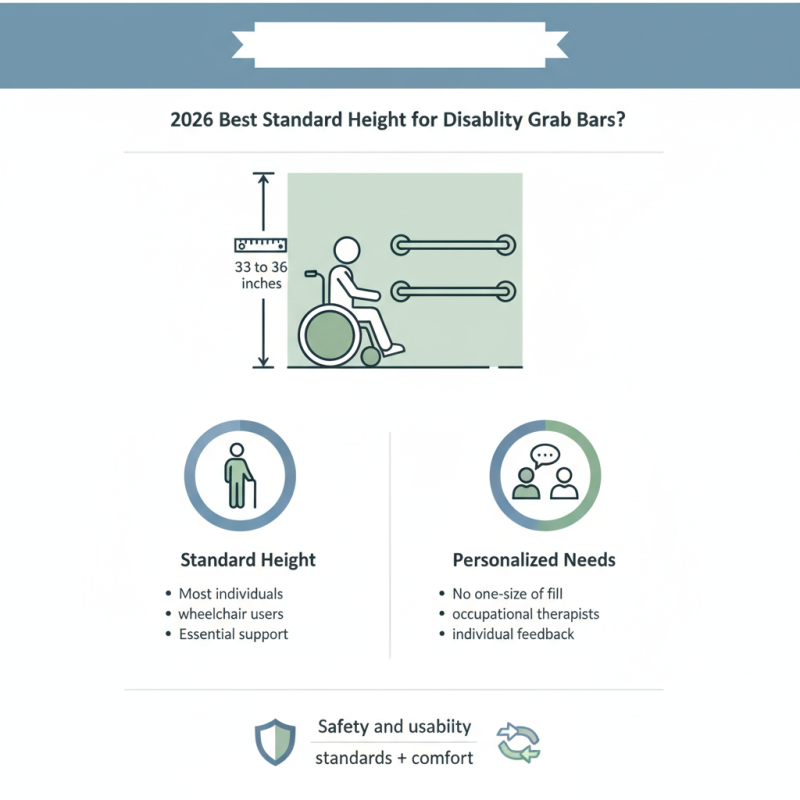
The standard height for grab bars typically ranges from 33 to 36 inches above the floor. This height caters to most individuals, including those using wheelchairs. However, it is important to recognize that there is no one-size-fits-all answer. Personal preferences and specific conditions may require adjustments. Some individuals may find a different height more comfortable.
While standards exist, it is essential to consider the unique needs of each user. Consulting with occupational therapists can provide personalized recommendations. Ensuring proper height is just one piece of the puzzle when it comes to creating a safe environment. Evaluation and adjustment based on individual feedback can lead to better outcomes. Consideration of both standards and personal comfort will greatly enhance safety and usability for those who rely on these vital aids.
Disability grab bars are essential for enhancing safety in various settings. They provide support for individuals with mobility challenges, helping them navigate spaces like bathrooms and stairways. The right height for these bars can significantly impact their effectiveness. Often, people install them too high or too low, which can create problems instead of solving them.
Understanding the importance of grab bars goes beyond mere installation. Proper placement ensures that users can grip them securely without straining. Studies show that correctly positioned grab bars greatly reduce the risk of falls. Additionally, they foster a sense of independence, allowing individuals to perform daily activities with confidence. However, not everyone considers the need for adjustable or removable options, which could offer more flexibility.
While the benefits of grab bars are evident, some installations may not meet user needs. This raises questions about awareness and education regarding proper use. Families and caregivers must stay informed about adjustable heights and materials. Engaging with healthcare professionals can offer valuable insights. Ultimately, grab bars should be a reliable resource for safety and independence, yet their effectiveness relies heavily on thoughtful installation and ongoing assessment.
: Disability grab bars enhance safety for individuals with mobility challenges. They help users navigate spaces like bathrooms and stairways.
The height of grab bars affects their effectiveness. Installing them too high or low can create problems instead of solving them.
Proper placement allows users to grip bars securely. It reduces strain and significantly lowers the risk of falls.
Yes, grab bars can boost confidence. They allow individuals to perform daily activities independently and safely.
Adjustable or removable grab bars provide more flexibility. Many are unaware of these options, limiting their potential benefits.
In bathrooms, horizontal grab bars should be 33 to 36 inches from the floor. This height assists during transfers and reduces fall risk.
Choose grab bars with non-slip surfaces. The material and finish significantly affect grip and comfort during use.
Improper installations can lead to serious accidents. It's crucial to ensure stability and proper weight support for safety.
Engaging with healthcare professionals can provide insights. Awareness about adjustable heights and materials is essential for effective use.
Common mistakes include incorrect installation height and material choice. These can hinder their effectiveness and safety for users.
The article "2026 Best Standard Height for Disability Grab Bars?" provides comprehensive insights into the importance and benefits of disability grab bars, which enhance safety and accessibility for individuals with mobility challenges. A key focus is on standard height recommendations for disability grab bars, addressing the question, "What is the standard height for disability grab bars?" Typically, these bars should be installed at a height that is comfortable for the majority of users, generally around 33 to 36 inches from the floor. The article further outlines installation guidelines, ensuring that grab bars are securely mounted in various locations such as bathrooms and stairways.
Safety considerations are emphasized, highlighting the need for proper placement and support to prevent accidents. Additionally, the article discusses essential maintenance and inspection tips to ensure grab bars remain functional and safe for use over time. This thorough exploration serves to educate users on how to enhance safety measures within their homes effectively.

 Avelar Medical